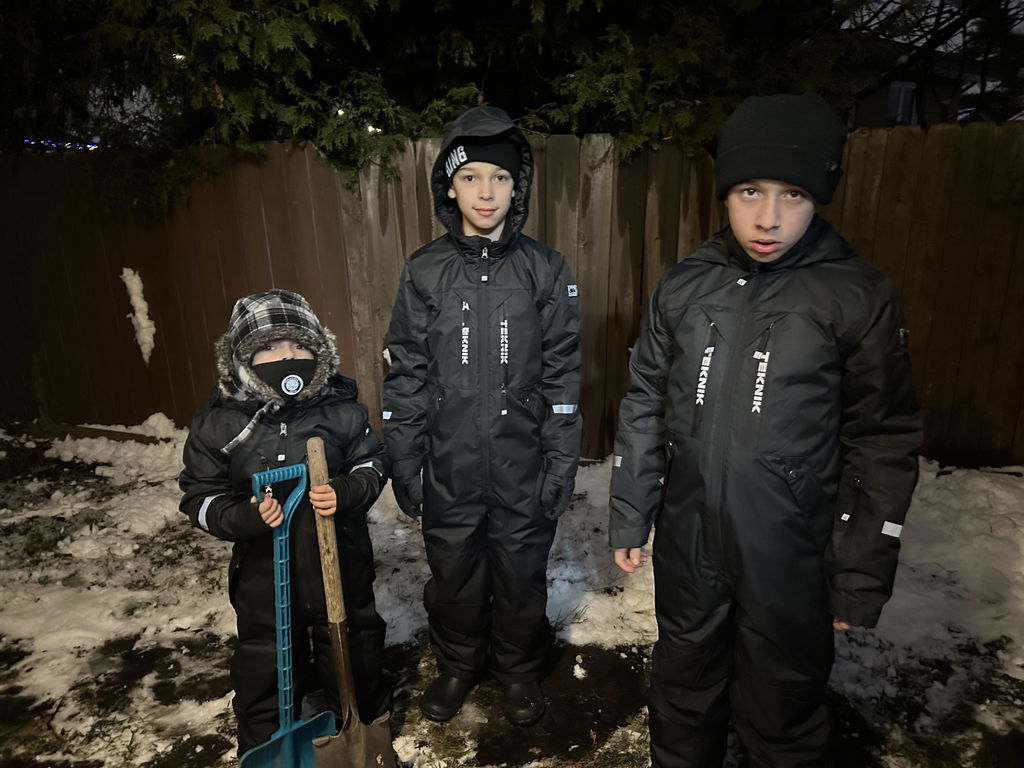
A snowsuit temperature rating such as −20°C or −30°C can be useful, but it is not a guarantee that every child will feel comfortable at that exact temperature. Warmth depends on the specific garment, layers underneath, wind, moisture, activity level, exposure time, and the child.
Shopping winter outerwear? Compare current Kids Snowsuits by the exact warmth and weather-protection specifications listed on each product page.
Quick Answer: How Should You Read a Snowsuit Temperature Rating?
Treat a manufacturer’s temperature guidance as one comparison point for that specific garment. Do not transfer a rating from one model to another simply because the two snowsuits share a brand.
| Specification | What it helps you evaluate | What it does not guarantee |
|---|---|---|
| Temperature guidance | How the manufacturer positions that garment for cold conditions. | Identical comfort for every child at that temperature. |
| Waterproof / water-resistant claim | How the shell is described for moisture protection. | That all seams, openings, and conditions perform identically. |
| Breathability information | How the garment is designed to manage moisture generated inside. | That an overdressed active child cannot become sweaty. |
| Insulation information | How warmth is built into the garment. | That more insulation is always better for every activity. |
What Does a Snowsuit Temperature Rating Mean?
When a manufacturer provides a temperature rating or range, use it as product-specific guidance. The rating is most useful alongside insulation, shell construction, wind protection, water protection, fit, and realistic layering.
For example, a child walking slowly in cold wind may need a different setup from a child running continuously at recess, even when both wear the same outerwear.
Does −30°C Mean a Child Will Be Warm at −30°C?
Not necessarily. Two children in the same snowsuit can feel different because activity, wind, dampness, time outside, layers, and individual cold tolerance vary. Use the manufacturer’s guidance as a starting point, then adjust the complete clothing system and outdoor time to actual conditions.

Warmth Rating vs Insulation
Insulation helps retain warmth, but more insulation is not automatically better. Active kids generate body heat, and too much bulk can restrict movement or contribute to overheating. Compare the exact garment’s insulation information with the child’s expected activity.
Waterproof vs Water-Resistant
Waterproof and water-resistant should not be treated as interchangeable. Read the exact manufacturer wording and any numerical rating provided for the garment. In wet snow, slush, or long outdoor play, water management can be as important as insulation.
What should you compare?
- The exact waterproof or water-resistant claim.
- Any numerical waterproof rating supplied by the manufacturer.
- Seam construction or sealed-seam details when specified.
- Snow gaiters, cuffs, and closures.
- Shell fabric and garment-specific care instructions.
Care methods can affect how winter outerwear performs over time. After purchase, use our Snowsuit Care Guide and follow the exact garment label.
What Does Breathability Mean?
Breathability relates to how a garment manages moisture generated inside the outerwear. This matters for children who run, climb, sled, and play hard because trapped moisture can make an otherwise warm setup uncomfortable.
If a manufacturer provides a breathability specification, compare that figure between the exact products you are considering rather than assuming all snowsuits from the brand perform the same way.
Why Wind Protection Matters
Wind changes how cold conditions feel. Check shell construction, zipper coverage, cuffs, collar, hood, and other wind-blocking details described on the product page. Correct fit also helps those features sit where they are intended.
How Layers Affect Snowsuit Warmth
A snowsuit is the outer part of a clothing system. Start with a comfortable base layer and add a mid layer when weather and activity call for it. Avoid automatically stacking multiple thick layers; excess bulk can restrict movement and make an active child too warm.
Browse Kids Base Layers for current layering options, and use What to Wear Under a Snowsuit for a more detailed layering approach.
One-Piece vs Two-Piece Warmth
A one-piece reduces separation at the waist, while a two-piece setup offers more flexibility for school and indoor transitions. Neither format is automatically warmer. Compare the complete specifications and fit.
Use the One-Piece vs Two-Piece Snowsuit Guide to choose the format that matches the child’s routine.
How Fit Changes Winter Performance
A snowsuit needs enough room for appropriate layers and normal movement without excessive empty space. Oversizing can create long sleeves and legs, extra bulk, and a weaker seal around cuffs or boots.
Use the Snowsuit Sizing Guide before choosing a size.

How to Compare Two Snowsuits
- Check the exact temperature guidance, if provided.
- Compare insulation information.
- Compare waterproof or water-resistant specifications.
- Check breathability information when available.
- Review wind-blocking construction.
- Compare cuffs, gaiters, seams, hood, and closures.
- Confirm the size using current measurements.
- Match the setup to how active the child will be.
Deux par Deux Winter Specifications
If you are comparing Deux par Deux snowsuits, read the specifications on the exact style. Jenni Kidz carries multiple winter models and the details can differ by construction and season.
For a model-family comparison, read Deux par Deux DISCOVER vs PLAY vs TEKNIK.
Shop Snowsuits by the Specs That Matter
Use temperature guidance as one part of the decision, not the whole decision. Shop Kids Snowsuits, compare the exact product specifications, and complete the setup with Winter Accessories where needed.