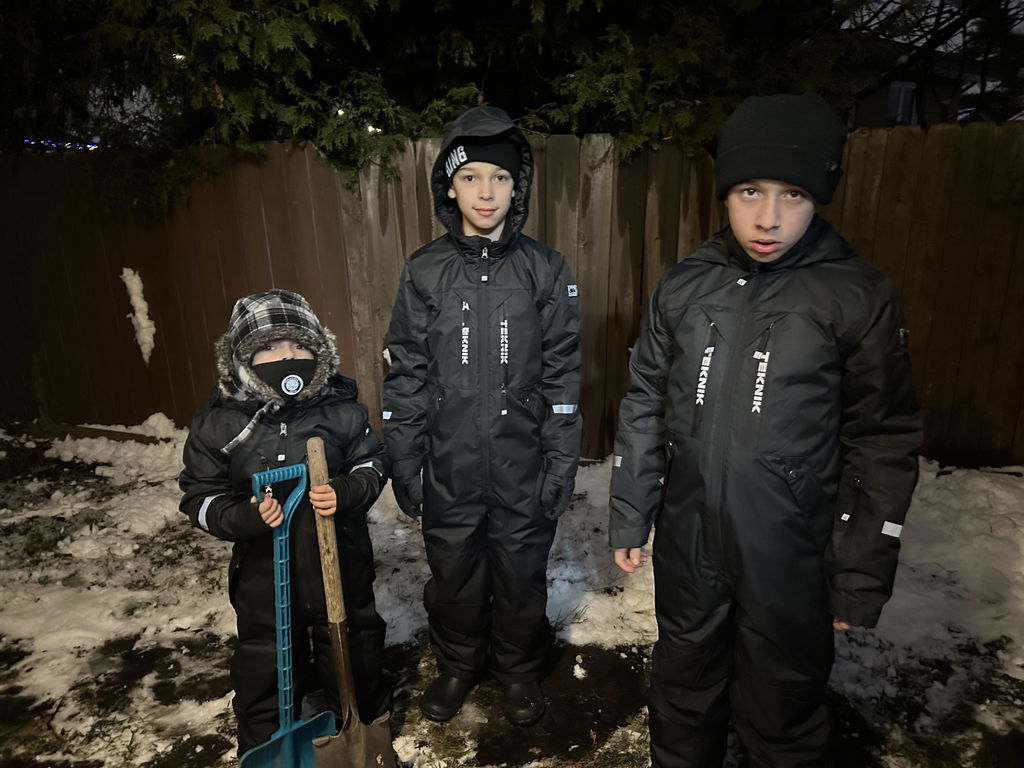
A boys’ snowsuit should make winter easier at school, on the sled hill, and during everyday outdoor play. The best choice is not automatically the thickest suit. Start with fit, weather protection, mobility, and how independently your child can manage the outerwear.
Shopping now? Start with Boys Snowsuits, then use this guide to compare one-piece vs two-piece construction, school-day features, sizing, and winter performance.
Quick Answer: What Should You Look for in a Boys’ Snowsuit?
- Enough room for normal base and mid layers without excessive bulk.
- Weather protection appropriate for the conditions your child will actually be outside in.
- Free movement through the shoulders, hips, knees, and seat.
- Closures, cuffs, and snow-blocking details your child can manage.
- A size based on current measurements rather than automatic sizing up.
- Product-specific warmth and waterproofing information when the manufacturer provides it.
One-Piece vs Two-Piece for Boys
| Choose | Often works well when… | Check before buying |
|---|---|---|
| One-piece | Continuous torso coverage matters and your child spends a lot of time sitting, rolling, or playing directly in snow. | Torso length, bathroom practicality, zipper access, cuffs, and movement. |
| Two-piece | Your child moves between classroom and recess, wants to wear the jacket separately, or benefits from easier bathroom breaks. | Jacket-to-pant overlap, bib/waist fit, gaiters, suspenders, and how securely the two pieces work together. |
Construction alone does not determine warmth. Compare the exact garment’s insulation, shell, fit, and weather-protection specifications. For a deeper comparison, read the One-Piece vs Two-Piece Snowsuit Guide.

School-Day Features That Matter
Easy Dressing
A technically impressive snowsuit is less useful at school if a child cannot put it on without constant help. Look for accessible zippers, manageable cuffs, straightforward closures, and a fit that does not require repeated adjusting.
Mobility
Recess can involve running, climbing, crouching, sledding, and sitting in snow. After normal winter layers are on, your child should still be able to reach forward, squat, bend the knees, and sit comfortably.
Snow and Wet-Weather Protection
Read the exact product specifications for waterproof or water-resistant claims, seam construction, gaiters, cuffs, hood design, and shell details. Specifications can differ between models from the same brand.
High-Wear Areas
Knees, seat, cuffs, and lower legs take repeated contact during winter play. If reinforcement is listed on the specific garment, it can be useful for children who spend substantial time outdoors.
How Warm Should a Boys’ Snowsuit Be?
There is no single temperature number that guarantees comfort for every child. A child running continuously at recess may need a different layering setup from a child standing still in wind. Treat any manufacturer temperature guidance as product-specific information and consider wind, wetness, activity, exposure time, and layers.
For help interpreting technical claims, use the Snowsuit Temperature Ratings Guide.
How Should a Boys’ Snowsuit Fit?
A good fit allows normal movement and realistic winter layers without creating excessive empty space. Sleeves and legs should provide useful coverage without becoming so long that they interfere with hands, boots, or walking.
Do not automatically size up for “growing room.” Measure first and compare those measurements with the exact brand size chart. Use our Snowsuit Sizing Guide before ordering.
What Should Boys Wear Under a Snowsuit?
Use an adjustable system rather than stacking as many thick layers as possible. A comfortable base layer can be combined with a mid layer when the weather and activity require one, with the snowsuit providing the outer protection specified for that garment.
Browse Boys Base Layers for current layering options. If your child becomes sweaty or restricted, the setup may be too bulky for the activity.
Best Features for Sledding and Active Snow Play
- Comfortable knee, hip, shoulder, and seat movement.
- Secure cuffs or snow gaiters when included.
- Closures that stay secure during repeated movement.
- Water protection suitable for the expected snow or slush.
- Reinforcement in high-contact areas when the garment provides it.
- Reflective details when available on the exact style.

Which Brands Should You Compare?
At Jenni Kidz, Deux par Deux is an important winter outerwear brand to compare because the current assortment includes multiple snowsuit formats and technical specifications. You can also browse Hatley and compare each available garment by its actual features rather than relying on brand name alone.
For a broader overview, read our Best Kids’ Snowsuit Brands in Canada guide.
Boys’ Snowsuit Buying Checklist
- Measure your child before choosing the size.
- Decide whether one-piece or two-piece better fits the daily routine.
- Check product-specific warmth guidance if provided.
- Compare waterproof or water-resistant information.
- Check cuffs, gaiters, hood, closures, knees, and seat.
- Make sure your child can squat, reach, sit, and walk comfortably.
- Choose a setup your child can manage at school.
- Read the garment care instructions before purchase; after buying, use our Snowsuit Care Guide for washing, drying, repairs, and storage.
Shop Boys’ Winter Snowsuits
Ready to compare current sizes and styles? Shop Boys Snowsuits. If you need a wider age or gender range, browse the full Kids Snowsuits collection, then compare the exact product specifications before buying.