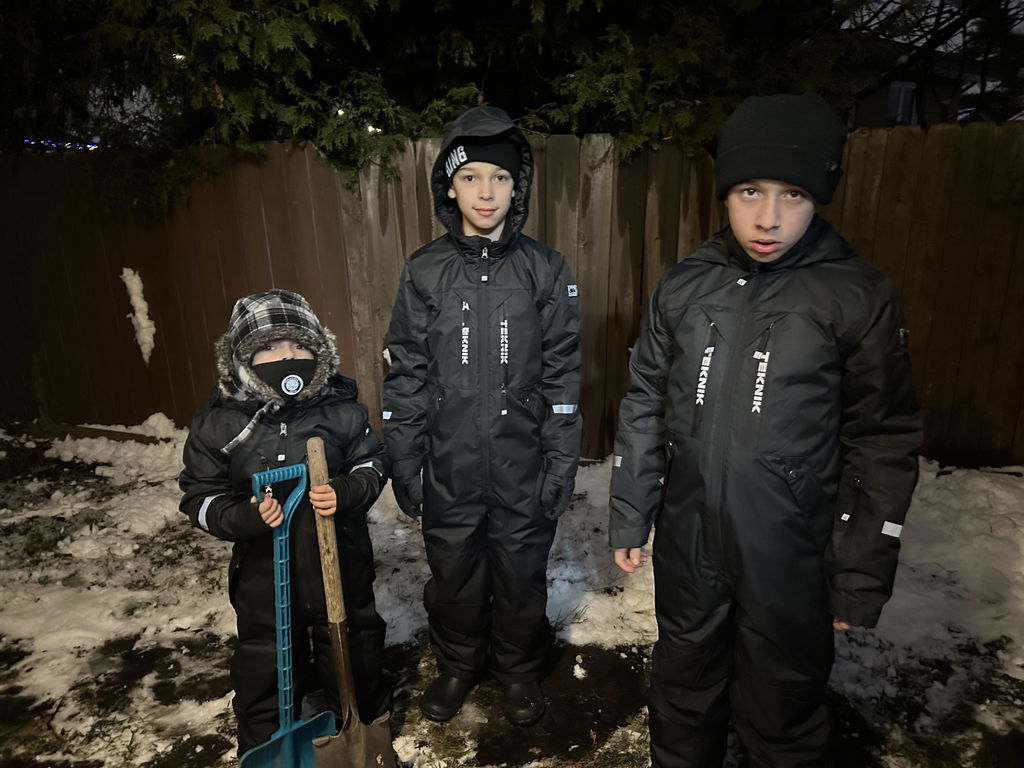
The safest way to care for a kids’ snowsuit or winter jacket is simple: follow the garment’s own care label first. Winter outerwear can use different shell fabrics, insulation, coatings, seam treatments, trims, and waterproof finishes, so one washing or drying rule does not fit every product.
Shopping for winter outerwear now? Compare current Kids Snowsuits and check the care instructions on the exact product before you buy. Easy-care construction can matter just as much as warmth, fit, and waterproofing for school and everyday winter use.
Quick Answer: How Should You Wash a Kids’ Snowsuit?
Start by reading the care label. Empty pockets, close zippers and hook-and-loop fasteners, remove detachable accessories when the label allows, and deal with loose dirt before washing. Use the wash temperature, cycle, detergent guidance, and drying method specified for that garment. Do not automatically use fabric softener, bleach, waterproofing spray, high heat, or air drying unless the label or manufacturer supports it.
| Before you clean | What to check | Why it matters |
|---|---|---|
| Care label | Wash temperature, cycle, bleach, drying, ironing, professional-care symbols | The exact garment may have care requirements that differ from another snowsuit. |
| Insulation | Synthetic, down, or another fill type | Drying and re-lofting instructions can differ. |
| Shell and waterproof finish | Waterproof or water-resistant wording, coated or laminated fabric, manufacturer reproofing guidance | Incorrect products or heat can affect performance on some garments. |
| Trim and hardware | Faux fur, detachable hoods, suspenders, zippers, reflective pieces, boot gaiters | Removable components may have separate care instructions. |
After Every Wear: A 60-Second Winter Gear Routine
You do not need to fully wash a snowsuit after every use. A quick after-wear routine can reduce unnecessary washing and help you catch problems early.
- Shake or brush off loose snow, sand, salt, and dried mud.
- Open zippers and pockets so trapped moisture can escape.
- Hang or lay the garment where it can dry completely according to the care label.
- Check cuffs, knees, seat, zipper areas, and boot gaiters for damage.
- Spot-clean small marks when the garment instructions allow it.
For school-age kids, this routine is especially useful because knees, cuffs, and the seat often get wet or dirty long before the entire garment needs a full wash.
How to Prepare a Snowsuit for Washing
1. Read the complete label
Do not rely on a general internet rule if the garment gives specific instructions. Look for machine-wash or hand-wash directions, water temperature, cycle type, drying symbols, and restrictions on bleach, softener, ironing, or dry cleaning.
2. Empty and inspect
Check every pocket for tissues, snacks, hand warmers, gloves, or small objects. Inspect zippers, snaps, seams, and cuffs. Washing can make an existing tear worse, so repair or stabilize damage first when appropriate.
3. Close hardware
Unless the manufacturer says otherwise, closing zippers and securing hook-and-loop tabs can reduce snagging during the wash. Remove detachable trim or accessories only when the product instructions say they can be removed for laundering.
4. Remove loose dirt
Brush away dried mud, salt, or surface debris before washing. For stains, use a treatment that is compatible with the fabric and care instructions. Avoid assuming that a strong stain remover is safe for a coated or technical shell.
Choosing Detergent: Keep It Simple and Garment-Specific
A mild detergent is often a practical starting point, but the product label remains the source of truth. Some technical outerwear manufacturers recommend avoiding products that can leave residues; others give specific instructions for waterproof shells or insulated garments.
Do not add fabric softener, bleach, scent boosters, stain repellents, or specialty treatments automatically. These products may be unsuitable for some performance fabrics or finishes. If the label does not address a product you want to use, check the manufacturer’s care guidance for that exact garment.
Machine Washing vs Hand Washing
If the label says the snowsuit is machine washable, use the specified cycle and temperature. Avoid overloading the machine because bulky outerwear needs room for water and detergent to move through the garment.
If the care label calls for hand washing, follow that direction instead of using a machine on a “gentle” setting as a substitute. The reason can be related to trim, insulation, coatings, construction, or another garment-specific detail.

How to Dry a Snowsuit Without Guessing
Drying is one of the areas where generic advice causes the most problems. Some outerwear can be tumble dried at low heat; some should be line or air dried; some insulated pieces may need a specific drying process to restore loft. Use the drying method printed on the label.
If tumble drying is allowed
- Use the heat level specified by the manufacturer.
- Do not increase heat just to finish the garment faster.
- Make sure thick insulated areas are fully dry before storage.
If air drying is required
- Dry the garment in a well-ventilated area.
- Reshape it as needed while damp if the label allows.
- Do not store it until the insulation, seams, cuffs, and pockets are completely dry.
There is no universal rule that air drying is always best or that a dryer is always harmful. The correct choice depends on the specific construction and manufacturer instructions.
Down vs Synthetic Insulation: Why Care Can Differ
Down and synthetic insulation are not cared for in exactly the same way. Down can lose loft if it is not dried thoroughly and evenly, while synthetic insulation may have its own temperature or cycle restrictions. Some manufacturers recommend dryer techniques for down; others provide different instructions.
Do not add dryer balls, tennis balls, heat, or specialty wash products unless the garment instructions support that method. If the label is unclear, check the brand’s product-specific care page before laundering.
What About Waterproofing and DWR Treatments?
If water stops beading on the surface, that does not automatically mean you should spray the garment with a waterproofing product. First identify what the manufacturer says about the shell and finish.
Some technical outerwear uses a durable water-repellent surface treatment that can sometimes be cleaned, reactivated, or renewed using a brand-approved method. Other garments may not require the same treatment. Applying an incompatible spray can change appearance, breathability, or fabric performance.
If you are comparing outerwear before purchase, read the exact product specifications and manufacturer guidance rather than treating every “waterproof” or “water-resistant” label as identical. Our Snowsuit Temperature Ratings, Waterproofing & Breathability Guide explains how to compare those claims.
How to Handle Salt, Slush, Mud, and School-Day Stains
Road salt and slush
Allow the garment to dry enough to remove loose material, then clean the affected area according to the label. Repeated salt residue can be hard on fabrics and hardware, so do not leave heavy buildup on cuffs and lower legs for the entire season.
Mud
Letting mud dry before gently brushing off the excess can reduce how much soil enters the wash. Treat the remaining mark only with products compatible with the shell.
Food and everyday stains
Blot rather than aggressively rubbing fresh spills. If a stain treatment is permitted, test it conservatively and avoid strong chemicals that are not approved for the garment.
Repair Small Problems Before They Become Bigger
Winter gear works hard. Check high-wear areas regularly, especially knees, seat, lower legs, cuffs, zipper seams, and attachment points.
- Loose thread: trim or secure it carefully rather than pulling.
- Small shell tear: use a repair method approved for technical outerwear or the manufacturer’s recommended patch system.
- Broken zipper or snap: repair before the opening affects warmth or snow protection.
- Damaged seam or waterproof area: consider professional repair when the fix could affect weather protection.
A household fabric glue, random adhesive, or needle repair may not be suitable for every waterproof shell, so match the repair to the garment construction.
How Often Should You Wash Kids’ Winter Outerwear?
There is no useful universal number. Wash when the garment needs it and when the care instructions support it. A child wearing a snowsuit daily at daycare may need cleaning more often than a child who uses one only for occasional snowy weekends.
Between washes, drying, brushing, spot-cleaning, and checking high-contact areas can keep the garment usable without automatically running a full wash after every outing.

How to Store Snowsuits at the End of Winter
- Clean the garment according to the label before long-term storage.
- Make sure every layer, pocket, cuff, and insulated section is fully dry.
- Repair obvious damage before packing it away.
- Store it in a dry location with enough room to avoid unnecessary long-term compression.
- Keep the size and care label easy to find if you plan to pass the garment to a younger child.
Before the next winter season, inspect the garment again for fit, zipper function, cuffs, gaiters, and shell condition. Children can outgrow outerwear quickly, so confirm sizing rather than assuming last year’s suit still has enough room. Use our Snowsuit Sizing Guide when you recheck fit.
Buying Winter Gear? Care Requirements Belong on the Checklist
Parents often compare warmth and waterproofing first, but care can affect day-to-day convenience throughout the season. Before buying, look at:
- Whether the garment is machine washable.
- The permitted drying method.
- Whether faux-fur trim, hood parts, or accessories detach.
- Whether the care label is clear and easy to follow.
- Whether the manufacturer gives guidance for waterproof finishes or insulation.
- Whether the garment suits the amount of mud, slush, school use, and outdoor play your child is likely to face.
Browse Boys Snowsuits and Girls Snowsuits to compare current styles by size and product-specific features. For a major winter outerwear assortment, you can also explore Deux par Deux and review the exact specifications and care details on each product page.
Winter Outerwear Care Checklist
- Read the exact care label before the first wash.
- Brush off loose snow, salt, and mud after use.
- Dry the garment completely between wears.
- Empty pockets and close hardware before washing.
- Use the specified wash temperature and cycle.
- Use only compatible detergent and treatments.
- Follow the exact drying method on the label.
- Do not apply waterproofing spray automatically.
- Inspect knees, seat, cuffs, gaiters, and zippers regularly.
- Repair damage before it spreads.
- Store only when the garment is clean and fully dry.
Frequently Asked Questions
Can I put a kids’ snowsuit in the washing machine?
Only if the care label says it is machine washable. Use the stated temperature and cycle, and follow any instructions for detergent, closures, removable trim, and drying.
Should I always air dry a snowsuit?
No. Some garments require air drying, while others permit or recommend tumble drying at a specified temperature. Follow the exact label rather than using one universal drying rule.
Should I spray waterproofing treatment on a new snowsuit?
Not automatically. Check whether the manufacturer recommends a treatment for that shell or finish. Use only a compatible product and method when the garment guidance supports it.
What should my child wear under a snowsuit?
That depends on temperature, activity, and the outerwear. Avoid adding so many bulky layers that movement becomes restricted. For a practical system, read What to Wear Under a Snowsuit.
Shop Kids’ Snowsuits
Good care starts with knowing exactly what you are buying. Shop Kids Snowsuits, then compare each product’s fit, warmth guidance, waterproofing information, construction, and care instructions before choosing the right winter setup for your child.
Snowsuit Care Decision Matrix
| Problem | First step | Avoid assuming |
|---|---|---|
| Mud or surface dirt | Check care label and spot-clean guidance | That a full wash is always required |
| Wet after snow play | Dry according to garment instructions | That high heat is safe |
| Stain | Treat promptly with garment-safe method | That aggressive products suit technical fabric |
| Reduced water beading | Check manufacturer care guidance | That every garment needs the same treatment |
| Damaged zipper/seam | Inspect function and repair options | That washing will solve a mechanical problem |
Before Washing: Read the Exact Care Label
Snowsuits and winter jackets can use different shells, insulation, coatings, trims and closures. Do not apply one laundry routine to every garment. Check water temperature, cycle, detergent guidance, drying method and any instructions for closing zippers or removing accessories.
Pre-Wash Inspection
- Empty pockets.
- Check zippers, snaps and hook-and-loop closures.
- Inspect cuffs and gaiters for trapped dirt.
- Look for tears or loose seams.
- Identify stains that may need targeted treatment.
- Follow any instructions for removable hoods, faux fur or accessories.
How Often Should Kids’ Winter Outerwear Be Washed?
There is no universal wash schedule. Wash according to actual soil, odour, use and the manufacturer’s care guidance. Unnecessary washing adds laundry work, while leaving heavy dirt or stains indefinitely can also be undesirable. Use the garment’s condition rather than a fixed weekly rule.
Spot Cleaning vs Full Washing
For localized dirt, spot cleaning may be sufficient when the care instructions permit it. High-contact areas such as cuffs, knees and seat can collect dirt faster than the rest of the garment. A full wash makes more sense when the entire garment needs cleaning or the manufacturer recommends it.
Detergent and Technical Outerwear
Follow the exact garment or manufacturer guidance. Avoid assuming that a detergent suitable for ordinary cotton clothing is automatically ideal for every technical shell or insulated garment. Likewise, do not add fabric softener, bleach or specialty treatments unless they are compatible with the product instructions.
Drying a Snowsuit or Winter Jacket
Drying instructions can vary. Some garments permit machine drying under specified conditions; others may require different handling. High heat should not be used by default. Follow the care label and make sure the garment is fully dry before storage.
Daily Drying After School or Snow Play
A garment does not need a full wash every time it comes home wet. Remove wet accessories, open the outerwear as appropriate and allow it to dry according to the product guidance before the next use. Check cuffs, gaiters and pockets where moisture can remain.
Stain-Care Workflow
- Identify the stain and garment material.
- Check the care instructions.
- Treat promptly using a compatible method.
- Avoid aggressive scrubbing that could damage the fabric.
- Wash only as directed.
- Inspect before using high heat, which can make some stains harder to remove.
Salt, Slush and Winter Grime
Road salt, slush and playground dirt can collect around lower legs, cuffs and seat areas. Inspect these zones regularly. Clean them according to the garment instructions rather than using a strong cleaner simply because the stain looks difficult.
How to Care for Zippers and Closures
Remove trapped dirt and inspect zippers before forcing them. Check snaps and hook-and-loop closures for debris. If a closure is mechanically damaged, repeated pulling can worsen the problem. Consider an appropriate repair instead of continuing to use it until failure.
Gaiter, Cuff and Elastic Inspection
These areas affect how outerwear connects with boots and mittens. Check for stretched elastic, tears or heavy wear during the season. A garment can still look good overall while a high-use component is approaching failure.
Repair vs Replace
A repair can make sense when the garment still fits and the damaged component can be restored appropriately. Replacement becomes more reasonable when fit is already poor, damage affects essential function or repair is impractical. For technical fabrics, use repair methods compatible with the garment.
Mid-Season Performance Check
Halfway through winter, reassess fit, closures, cuffs, gaiters, shell condition and care needs. Children may grow during the season, so a suit that was comfortable in November may become restrictive later.
End-of-Season Cleaning
Before storage, follow the garment’s cleaning instructions and make sure the outerwear is dry. Storing dirty or damp clothing can create avoidable problems and makes next season’s inspection harder.
How to Store Snowsuits
Store clean, dry outerwear in a dry location with enough space to avoid unnecessary compression or damage. Follow any manufacturer guidance about storage. Keep removable pieces with the garment so they are not missing next season.
Before Reusing Next Winter
- Measure the child again.
- Try on the garment with intended layers.
- Check zippers and closures.
- Inspect cuffs, gaiters and seams.
- Check overall shell condition.
- Confirm boots and mittens still work with the system.
Hand-Me-Down Winter Outerwear
Before passing a snowsuit to a sibling, inspect condition and fit rather than assuming durability from appearance alone. Recheck closures, elastic, cuffs, gaiters and any technical areas that received heavy use. The next child should be sized independently.
Snowsuit Care and Cost per Wear
Appropriate care can help a useful garment remain in rotation, but care cannot overcome poor fit or unsuitable product choice. The strongest value comes from choosing the right garment first, then following its care instructions throughout the season.
Common Snowsuit Care Mistakes
- Using one laundry routine for every brand.
- Using high heat without checking the label.
- Ignoring wet cuffs and gaiters after use.
- Applying treatments that are not recommended for the garment.
- Forcing damaged zippers.
- Storing outerwear while damp.
- Assuming next year’s fit without trying it on.
End-of-Season Winter Outerwear Checklist
- Read the exact care label.
- Inspect before washing.
- Spot clean when appropriate.
- Use compatible laundry products.
- Dry according to instructions.
- Inspect closures and high-wear areas.
- Repair appropriate damage promptly.
- Clean and dry before storage.
- Recheck fit next season.
More Snowsuit Care FAQs
Should I wash a snowsuit after every snow day?
Not automatically. Use the garment condition and care instructions to decide.
Can I put every snowsuit in the dryer?
No. Follow the exact product’s drying instructions.
Should I use fabric softener?
Only if compatible with the garment instructions. Do not assume it is suitable for technical outerwear.
Can a damaged snowsuit be repaired?
Some damage may be repairable depending on location, materials and severity. Use a method appropriate for the garment.
When should I replace winter outerwear?
Consider replacement when fit is no longer correct or damage prevents the garment from functioning as intended.
Shop Winter Outerwear
If the current suit is outgrown or no longer suitable, browse Kids’ Snowsuits. Before ordering a replacement, use the Snowsuit Sizing Guide to recheck fit.