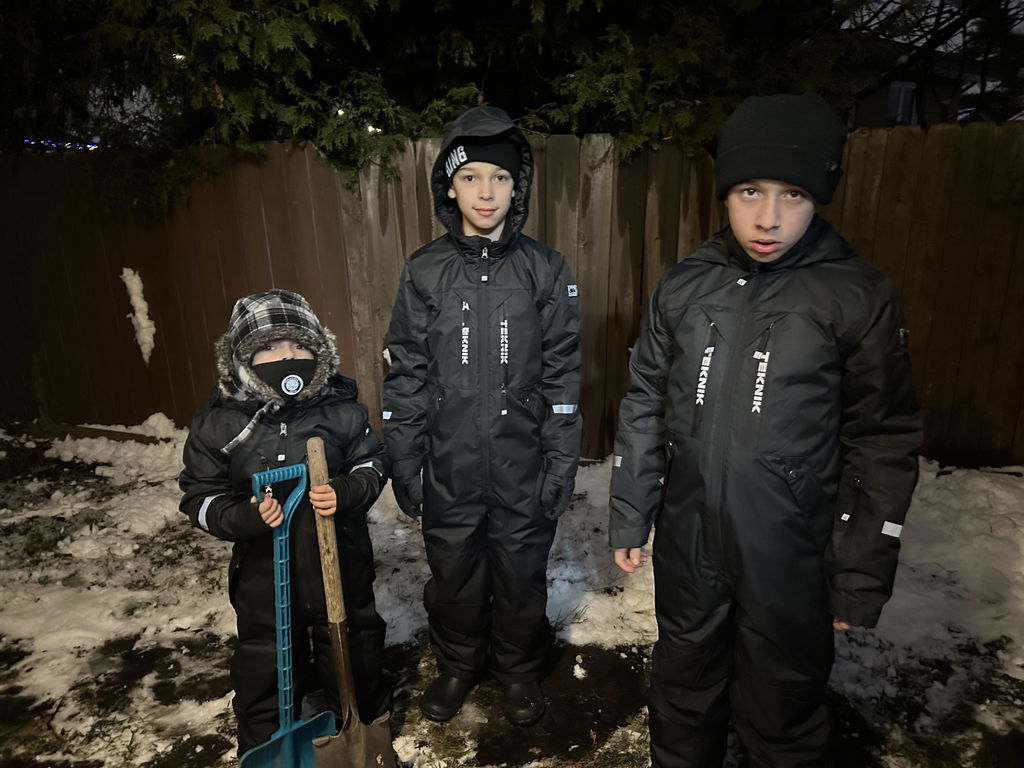
The best snowsuit for ski school or sledding is not simply the warmest one. Kids need enough weather protection for snow and wind while still being able to bend their knees, sit, climb, walk, and move comfortably.
Start by browsing Kids’ Snowsuits, then use the checklist below to compare the exact products.
Quick Pick: What Matters Most?
- Comfortable movement at the shoulders, hips, knees, and seat.
- Weather protection suitable for snow and wet conditions.
- Secure cuffs and snow gaiters where provided.
- A hood and closures that are easy to manage.
- Correct fit with room for appropriate layers.
- Durable construction for repeated contact with snow.
Mobility Comes Before Maximum Bulk
Ski lessons and sledding involve repeated bending, standing, sitting, and climbing. Extra bulk can make those movements harder. Choose the warmth needed for the conditions without turning every layer into the thickest option available.
One-Piece vs Two-Piece for Ski School
A one-piece snowsuit reduces gaps at the waist and can simplify full-body coverage. A two-piece setup offers more flexibility and may be easier for older children who want to remove the jacket separately.
See our One-Piece vs Two-Piece Snowsuit Guide.
Water and Snow Protection
Kids may spend substantial time sitting, kneeling, or falling in snow. Check the product page for waterproof or water-resistant claims, seam details, cuffs, gaiters, and shell construction. Do not assume every model from the same brand has identical specifications.
Warmth for Active Kids
An active child can generate more body heat than a child standing still. When a manufacturer provides temperature guidance, use it as one comparison point rather than a guarantee.
Read Snowsuit Temperature Ratings to understand warmth, waterproofing, and breathability.
Fit for Skiing and Sledding
The snowsuit should allow a child to squat, lift the knees, reach forward, and sit without strong pulling across the shoulders or seat. Excessively long sleeves or legs can interfere with gloves, boots, and movement.
Use our Snowsuit Sizing Guide before ordering.
Features Worth Checking
- Snow gaiters and boot coverage.
- Adjustable or secure cuffs.
- Reinforced knees or seat when provided.
- Reflective details when provided.
- Easy-to-operate zippers and closures.
- Hood design.
- Manufacturer care instructions.
What Should Kids Wear Under the Snowsuit?
Use a comfortable base layer and add an appropriate mid layer for the conditions. The goal is adjustable warmth without restricting movement. Avoid unnecessary bulk.
Sledding: Pay Attention to the Seat and Knees
Sledding places repeated contact on the seat and knees as children sit in snow, climb hills, and kneel. Check these high-wear areas carefully when comparing products.
Ski School: Independence Matters
Older kids benefit from outerwear they can manage themselves. Consider how easily they can operate the zipper, adjust gloves and cuffs, and handle bathroom breaks.
Brands to Compare
Browse Deux par Deux winter outerwear and compare it with the full Snowsuits collection. For a broader brand comparison, see Best Kids’ Snowsuit Brands in Canada.
Ski School & Sledding Buying Checklist
- Confirm current measurements.
- Test the size choice against the brand size information.
- Compare warmth and weather-protection specifications.
- Prioritize knee, hip, shoulder, and seat mobility.
- Check cuffs and gaiters.
- Look for durability in high-contact areas.
- Plan the layers underneath before sizing up.
Shop Snowsuits for Active Winter Days
Browse Kids’ Snowsuits and compare each product by fit, movement, weather protection, and the manufacturer’s exact specifications.