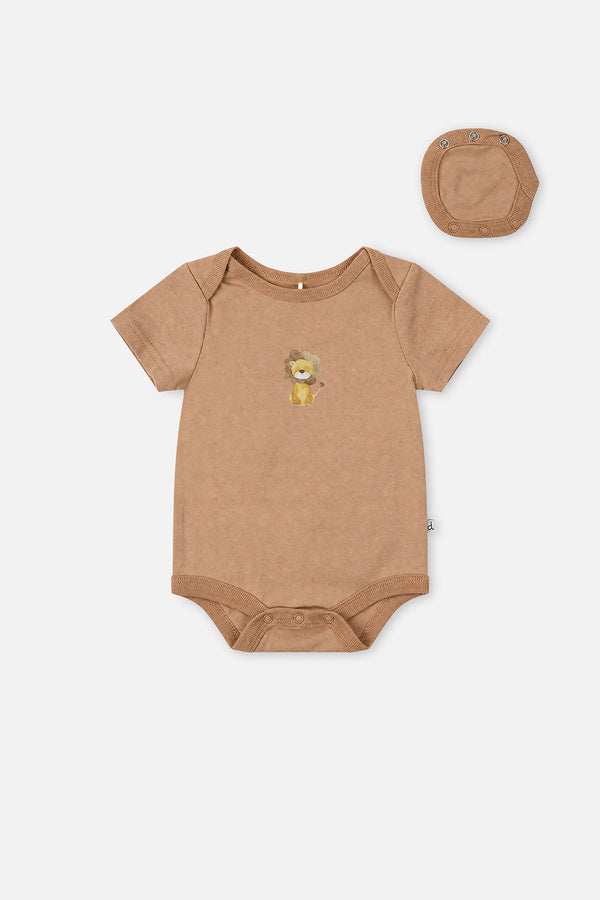
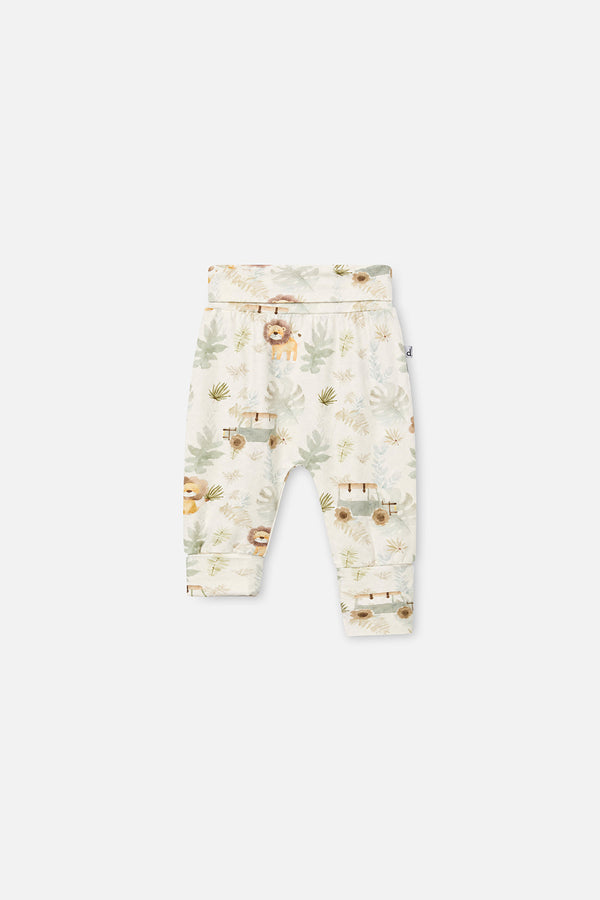
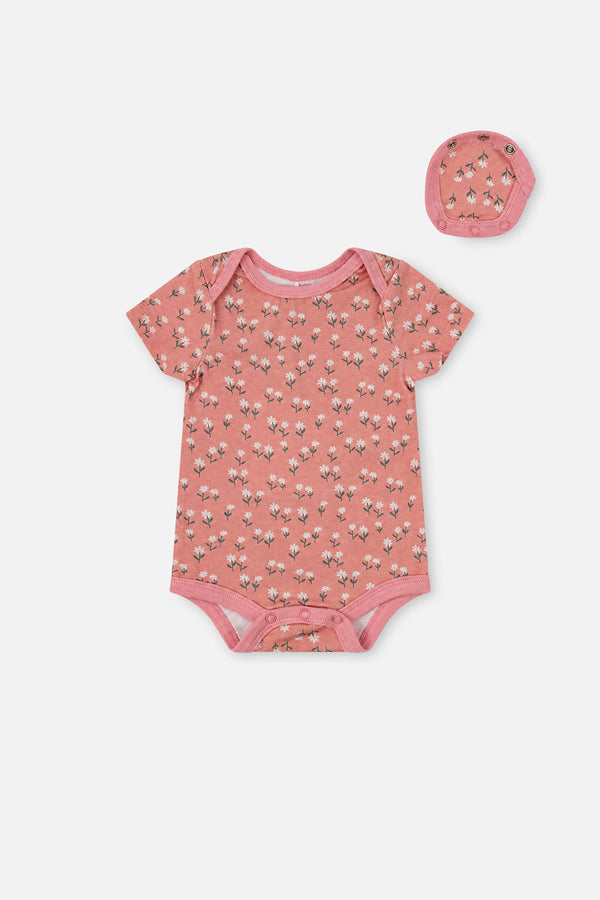
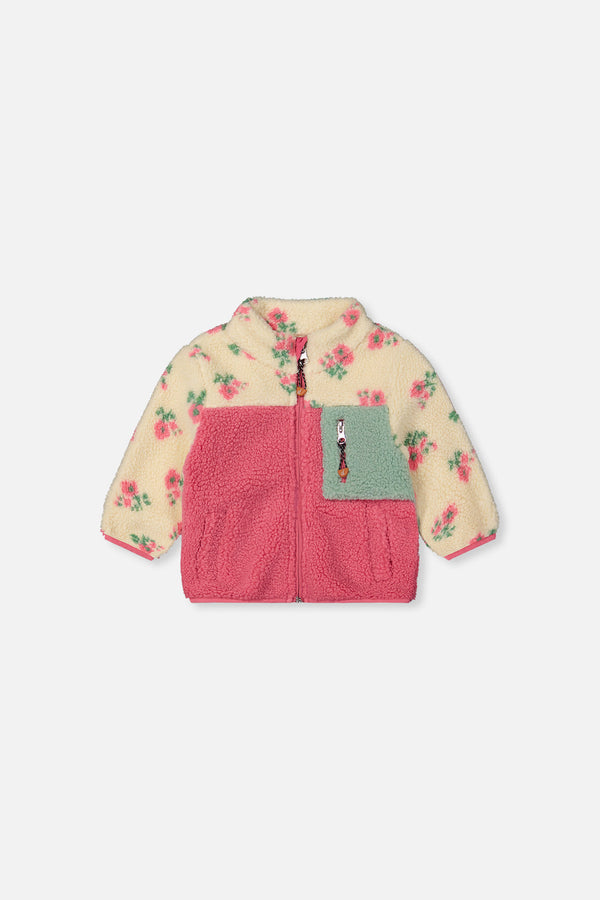
Quick answer: For a newborn hospital outfit and bag, pack two or three easy one-pieces or sleepers in two sizes, a soft hat, a receiving blanket and one going-home outfit that suits the weather. The AAP says to dress babies in thin, snug layers under the car seat harness and to place coats or blankets over the buckled straps.
Packing for a newborn you haven't met yet is tricky. You don't know the exact size, the weather on discharge day can change, and the outfit you picture for the ride home has to work with a rear-facing car seat. The good news: hospital lists from Canada and the U.S. are short, and they agree on most of the basics.
This guide is only about the hospital stay and the trip home. If you're building your baby's wardrobe for the first weeks at home, read our guide to newborn clothes for the first weeks instead.
In this guide:
- A hospital bag checklist for baby, with quantities and the source for each item
- How many outfits and which sizes to pack
- Closures and fabrics that make dressing a newborn easier
- How to dress your baby for the car seat ride home
- Going-home outfits for warm, mild and cold weather
- What not to pack, and what to leave out of the car seat
What Should You Pack for Your Baby in the Hospital Bag?
Pack a small set of clothes, a hat, a blanket, diapers if your hospital asks you to, and a going-home outfit for the season. Hospital packing lists are surprisingly similar. Sinai Health in Toronto lists baby sleepers, onesies or undershirts, a cotton baby hat, clothing for going home, receiving or swaddle blankets, newborn diapers and wipes. Quebec's public health institute (INSPQ), in its From Tiny Tot to Toddler guide, lists pyjamas, undershirts and bodysuits, a blanket, a hat, a going-home outfit "appropriate for the season" and an infant car seat. In Ontario, Niagara Health's checklist lists sleepers, onesies or undershirts, baby hats, mittens, socks, receiving blankets, clothes for going home and a CMVSS-certified car seat installed in the car.
The quantities below are practical suggestions, not hospital rules. Your hospital may supply some items, so check its own list before you buy extras.
| Item | How many | Why it helps | Listed by |
|---|---|---|---|
| Sleepers or footed one-pieces | 2–3 | Easy to change after spit-up or a diaper leak | Sinai Health, INSPQ, Niagara Health |
| Bodysuits or undershirts | 2 | A thin base layer for the stay and the ride home | Sinai Health, INSPQ, Niagara Health |
| Soft hat | 1 | For the trip outdoors; take it off when baby sleeps | Sinai Health, INSPQ, Niagara Health, AAP |
| Receiving or swaddle blanket | 1–2 | Warmth over the buckled harness and in your arms | Sinai Health, INSPQ, Niagara Health |
| Booties or socks | 1 pair | Only if the outfit leaves feet uncovered | Niagara Health |
| Going-home outfit | 1 | Chosen for the weather on discharge day | Sinai Health, INSPQ, Niagara Health |
| Diapers and wipes | About 20 newborn diapers, if asked | Some hospitals have only a limited supply | Sinai Health, INSPQ |
| Rear-facing infant car seat | 1, installed before discharge | Needed to drive home in a private vehicle | AAP, Sinai Health, INSPQ, Niagara Health, CPS |
A nail file is on two of these lists as well. Sinai Health suggests an emery board and Niagara Health a soft nail file for baby's nails, and the Canadian Paediatric Society (CPS) includes infant mittens "to cover your baby's sharp nails" in its essentials shopping list.
How Many Outfits Does a Newborn Need at the Hospital?
Most families need two or three outfits for the stay plus one going-home outfit. Newborns go through clothes quickly when diapers leak or milk comes back up, so one backup is worth the space. A full suitcase isn't, and you can always ask a partner or relative to bring more from home.
Does the hospital provide baby clothes or diapers?
Sometimes, but don't count on it. Sinai Health says it has "a limited supply of items such as maternity pads, diapers or wipes" and asks families to bring 20 newborn diapers. INSPQ tells parents to bring diapers "if not provided by the hospital or birthing center." Call your hospital or check its patient guide a few weeks before your due date, and pack to fill the gaps.
What does a simple outfit rotation look like?
- Outfit 1: a zip or snap sleeper for the first day
- Outfit 2: a second sleeper or a bodysuit plus pants, as a backup
- Going-home outfit: a thin, snug base layer that suits the weather (see the weather table below)
- Extras: a hat, a receiving blanket and socks if the outfits don't have covered feet
Pack each outfit in its own zip bag and label it. When you're tired and someone else is helping, "going home" written on a bag saves a lot of searching.
What Size Should You Pack for a Newborn?
Pack one outfit in the smallest size you can find and one a size up. Birth weight varies, and brands don't size the same way. One label's "newborn" or "0–3M" can fit very differently from another's "3m." Two sizes give you a fallback either way.
Always check the brand's size chart for the weight and length range, not only the age on the label. Our baby clothes size guide explains how to read size charts, and our article on when a baby is no longer a newborn explains how quickly the newborn stage passes.
At Jenni Kidz, the smallest sizes vary by product. The Hatley footed sleeper and the CALIKIDS knit hat linked in this guide list 0–3M as their first size, while the Deux par Deux one-pieces start at 3m. Sizes sell out and come back, so check each product page for current sizes before you order.
Which Closures and Fabrics Make Hospital Dressing Easier?
Front zippers, snaps that run down the legs and stretchy necklines make dressing a newborn much easier. In its guide to dressing your newborn, the American Academy of Pediatrics (AAP) suggests clothes that "snap or zip all the way down the front, instead of the back," that "snap or zip down both legs to make diaper changes easier," and that have loose sleeves so your hand fits underneath to guide baby's arm through.
The AAP also suggests stretchy fabric and avoiding tight bindings at the neck, arms and legs. To put a top on, it advises stretching the neckline and pulling it over baby's head while you support your baby on your lap.
A few closure styles to compare when you shop:
- Front zipper: the fastest option for night changes. The product page for the Deux par Deux beige heart print footed pajama lists a front zipper, long sleeves and attached feet.
- Two-way zipper: lets you open the bottom only for a diaper change. The Hatley Big Butterflies footed sleeper page lists a two-way zipper and a snap tab at the neckline.
- Snaps: common on fleece and knit one-pieces. Check that every snap and button is firmly attached, since Health Canada warns that loose buttons, snaps, zipper pulls or other small parts could become a choking hazard.
For fabric, go by the garment's label and feel rather than a buzzword. If organic cotton matters to you, read the material line on the product page: Deux par Deux lists its navy dinosaur footed pajama as 100% organic cotton interlock, and the beige heart print style as 96% organic cotton and 4% elastane. The Hatley sleeper lists 95% viscose from bamboo and 5% spandex.

How Should You Dress Your Baby for the Car Seat Ride Home?
Dress your baby in thin, snug layers, buckle the harness snugly, then add a coat or blanket over the straps. In Bringing Baby Home, the AAP suggests "thin, snug layers like a long-sleeved bodysuit and leggings," with "the coat and blankets placed OVER the car safety seat straps." It explains why: "fluffy padding in a coat immediately flattens out from the force" of a crash, which can leave the harness too loose.
Canadian guidance says the same thing. The Canadian Paediatric Society's car seat safety handout says bulky clothing and snowsuits "can interfere with proper harness tightening and placement," and that all infants must use a rear-facing car seat.
How do you check the harness fit?
Use the pinch test. The CPS says, "You should not be able to pinch the harness at the shoulder," and the harness should lie flat with no twists. The AAP's Winter Car Seat Safety Tips say that if you can pinch the strap, it "needs to be tightened to fit snugly against your child's chest." Your car seat's manual is the final word on fit for your seat.
Can you add inserts, padding or a bunting bag to the car seat?
Only if your car seat maker allows it. Transport Canada's page on third-party aftermarket products warns that "any additional padding behind the child can induce both slack in the harness and additional compressibility," and advises you "to consult with the manufacturer of the car seat before using any aftermarket product." The CPS says "it is not safe to use any add-on accessories that are not approved by the manufacturer," naming bunting bags and head restraints as examples.
The AAP adds that anything that didn't come with your car seat "has not been crash tested and may interfere with the protection provided in a crash." It says to use a car seat cover only if it does not have a layer under the baby. For more on bunting bags and one-piece snowsuits for winter outings, see our guide to infant bunting vs. one-piece snowsuits.
Do you need the car seat at the hospital?
Yes, if you're driving home. The AAP notes that U.S. hospitals check that you have a rear-facing car seat, and Sinai Health lists a CSA-certified car seat as "needed for discharge if you are driving home in a private vehicle." Install it before your due date, and practise buckling and adjusting the harness so the first time isn't in the hospital parking lot.
What Should the Going-Home Outfit Be in Warm, Mild or Cold Weather?
Start with a thin, snug base layer in every season, then add warmth on top of the buckled harness as the weather gets colder. The AAP's rule of thumb for layering is to dress a baby "in one more layer of clothing than you are wearing." In hot weather, over 75°F (about 24°C), the AAP says you can reduce your baby's clothing to a single layer.
| Weather | Under the harness | Over the buckled harness | Head and hands |
|---|---|---|---|
| Warm (over 75°F / about 24°C) | One light layer, such as a sleeper or bodysuit | Usually nothing; keep baby in the shade | A light hat outdoors for sun |
| Mild or cool | Bodysuit plus a sleeper or leggings | A lightweight blanket | A soft hat outdoors |
| Cold or winter | Thin, snug layers only, such as a long-sleeved bodysuit and leggings or a sleeper | A coat or blanket over the straps | A warm hat, plus mittens and socks or booties |
What should a newborn wear home in warm weather?
One light layer is often enough. A cotton sleeper or bodysuit works well for the ride. The AAP's baby sunburn prevention page says babies younger than 6 months should be kept out of direct and indirect sunlight, and suggests lightweight long-sleeve clothing and hats with a brim. Walk to the car in the shade, and check that your baby isn't sweaty or flushed once you're on the road.
What should a newborn wear home in mild or cool weather?
Use two thin layers, such as a bodysuit under a sleeper, and keep a blanket handy. The AAP suggests that newborns wear a soft cap or hat outdoors and a lightweight blanket to shield delicate skin. After you buckle your baby in, tuck the blanket over the harness, not under it.
What should a newborn wear home in cold weather?
Keep the layers under the harness thin, then build warmth on top. The AAP's winter tips suggest starting with "close-fitting layers on the bottom, like tights, leggings or long-sleeved bodysuits," and say "you can add a blanket over the top of the harness straps." In Bringing Baby Home, the AAP says "cooler temperatures call for an infant coat with soft, absorbent layers underneath and blankets to chase away chills," with the coat placed over the straps. The AAP's winter car seat tips add: "Don't forget hats, mittens and socks or booties."
Once you're indoors, Health Canada says to remove your baby's snowsuit, jacket or other outerwear.
A one-piece with full-length sleeves and legs is a practical base for cold-weather discharge days, with socks or booties added for the feet. The Deux par Deux beige dinosaur fleece jumpsuit page lists 95% cotton and 5% elastane fleece, snap closures and ribbed cuffs and ankles; as with any outfit, make sure it lets the harness fit snugly, and use the pinch test.
Does a Newborn Need a Hat for the Trip Home?
A soft hat is useful outdoors, but take it off indoors and before sleep. The AAP's Bringing Baby Home advice is to dress your newborn "in a soft cap or hat" for the outdoors and to "take off the hat when your baby sleeps to avoid overheating." Health Canada says "babies do not need hats when they're indoors. A hat can make them too hot." The CPS also tells parents to take off hats and items with ties or hoods before putting a baby to sleep.
Look for a hat that fits snugly without leaving marks, and that you can take off easily once you're inside. The CALIKIDS knit pom pom hat page lists a 100% cotton knit with a polyester Berber lining, ear coverage with a chin cord, and sizes starting at 0–3M. Because it has ties, use it for outdoor time only and remove it before sleep. You'll find more styles in our baby hats and caps collection. For the full picture on newborn hats indoors and out, read Does a newborn need to wear a hat?
Can Your Baby Sleep in the Going-Home Outfit?
Yes, if the outfit is a simple, fitted sleeper and you take off the hat and any outerwear first. Health Canada's page on dressing your baby for sleep says babies are safest in simple, fitted sleepwear, like a sleeper, and that sleepwear should suit the room temperature "so that babies are comfortable but don't overheat." It adds: "If the room temperature is comfortable for you, it will be comfortable for your baby too."
The CPS handout on safe sleep for babies explains that "overheating increases your baby's risk of SIDS" and that "babies do not need blankets when they sleep." It also says that if your baby falls asleep in a car seat or stroller, you should move them to a crib, cradle or bassinet when you arrive, because sleeping in a sitting position can cause the head to fall forward and make breathing harder.
Should you pack a swaddle?
A receiving or swaddle blanket is on most hospital lists, and it has many uses. If you choose to swaddle, Health Canada says to "swaddle loosely so that your baby has room to breathe and can still move their hips and legs," to "stop swaddling around 2 months of age before your baby can roll over," and to stay away from weighted swaddles, sleep sacks and blankets. The Lulujo Rainbow Sky cotton muslin swaddle page lists a 47 x 47 inch, pre-washed 100% cotton muslin square that the brand also suggests as a nursing cover. Browse more in baby blankets, or see baby sleep sacks for when you're home.

What Should You Not Pack for Your Newborn?
Leave out bulky layers for the car seat, extra padding and anything with small loose parts. These are the items health and transport agencies specifically warn about:
- A puffy snowsuit or thick coat to wear under the harness. The AAP and CPS both say bulky clothing should not go under the harness. Bring it only to lay over the buckled straps.
- Car seat inserts, head supports or padded liners that didn't come with your seat. Transport Canada and the CPS advise checking with your car seat maker before using any add-on product.
- Weighted swaddles or sleep sacks. Health Canada says they are not safe for your baby.
- Clothes with loose buttons, decorations or threads. Health Canada warns that small parts can become a choking hazard and that loose threads can wrap around fingers, toes or the neck.
- A stack of newborn-size outfits. Until you know your baby's size, two or three outfits in two sizes are enough.
- Blankets, hats or bibs for sleep. The CPS says to remove hats, bibs and items with ties before sleep, and that babies don't need blankets while they sleep.
Should You Pack a Special Photo Outfit?
If photos matter to you, bring one special outfit, but make it easy to put on and take off. A knit romper or a printed footed pajama photographs well and still works for a diaper change. The Deux par Deux lilac knit romper page lists an intarsia knit with mauve heart-shaped flowers, shoulder buttons and a bottom closure, in sizes from 3M. Its product page lists hand washing in cold water, so keep that in mind for everyday use.
Change your baby into the photo outfit after the pictures if it isn't comfortable for the car ride, and keep the thin-layers rule for the car seat. Bows, headbands and other accessories can come off before you buckle up.
How Do You Pack the Hospital Bag So It's Easy to Use?
Pack baby's things in one small bag or a clearly marked section of your bag, with the going-home outfit on top. A few habits help:
- Bag each outfit separately. Label zip bags "Day 1," "Backup" and "Going home."
- Snip tags and open packaging at home. You'll have one less job with a newborn in your arms.
- Put the hat, socks and blanket in the going-home bag. Everything for discharge is then in one place.
- Keep a weather backup. If your due date falls in a changeable month, add a warmer and a lighter layer and decide on the day.
- Install the car seat early. Practise adjusting the harness so you can do the pinch test quickly.
- Read your hospital's list. Pack what it doesn't supply, and leave out what it does.
Where Can You Shop Hospital Bag Basics at Jenni Kidz?
Start with the categories you'll actually use in the first days: sleepers, one-pieces, a hat and a blanket. Browse baby girls' one-pieces and baby boys' one-pieces for rompers and footed sleepers, or baby girl pajamas and baby boy pajamas for zip-front PJs. The full baby collection covers the rest, and our Deux par Deux collection has more one-pieces from the brand mentioned above.
Product details in this guide come from each product page at the time of writing. Sizes change often, so check each product page for current sizes.
Frequently Asked Questions
What should I pack for my baby in the hospital bag?
Pack two or three sleepers or one-pieces, two bodysuits, a soft hat, one or two receiving blankets, socks if needed and one going-home outfit for the weather. Hospital lists from Sinai Health, INSPQ and Niagara Health include these items. Bring diapers if your hospital asks, and have a rear-facing car seat installed.
How many outfits does a newborn need at the hospital?
Two or three outfits plus one going-home outfit is enough for most stays. Newborns may need a change after spit-up or a diaper leak, so one backup is useful. A family member can bring more from home if your stay is longer.
Should I pack newborn or 0-3 month clothes for the hospital?
Pack one outfit in each if you can. Birth size varies and brands size differently, so two sizes give you a fallback. Check the brand's size chart for weight and length, not only the age on the label.
Can my baby wear a snowsuit in the car seat on the way home?
No. The AAP and the Canadian Paediatric Society say bulky coats and snowsuits should not be worn under the harness because they can stop it from fitting snugly. Dress your baby in thin layers, buckle the harness, then place a coat or blanket over the straps.
Does the hospital provide diapers for my newborn?
Some hospitals do, but supplies can be limited. Sinai Health says it has a limited supply of items such as diapers and wipes and asks families to bring 20 newborn diapers, and INSPQ says to bring diapers if the hospital or birthing center does not provide them. Check your hospital's list before you pack.
What should a newborn wear home in winter?
Use thin, snug layers such as a long-sleeved bodysuit and leggings or a sleeper under the harness. Add a hat, mittens and socks or booties, then place a coat or blanket over the buckled straps. Remove outerwear once you are indoors.
Can I put a blanket or insert behind my baby in the car seat?
Only if your car seat maker allows it. Transport Canada warns that extra padding behind a child can add slack to the harness, and the AAP says to use a car seat cover only if it has no layer under the baby. Blankets belong over the buckled straps.
Sources
- American Academy of Pediatrics, HealthyChildren.org: Bringing Baby Home
- American Academy of Pediatrics, HealthyChildren.org: Winter Car Seat Safety Tips (updated February 2025)
- American Academy of Pediatrics, HealthyChildren.org: Dressing Your Newborn
- American Academy of Pediatrics, HealthyChildren.org: Baby Sunburn Prevention Tips
- Canadian Paediatric Society, Caring for Kids: Car seat safety
- Canadian Paediatric Society, Caring for Kids: Safe sleep for babies
- Canadian Paediatric Society, Caring for Kids: Preparing for baby: The essentials shopping list
- Health Canada / Public Health Agency of Canada: Dressing your baby for sleep
- Transport Canada: Third-party aftermarket products for children's restraint systems
- Sinai Health, Toronto: What to Bring to the Hospital
- INSPQ, From Tiny Tot to Toddler: What to bring to the hospital or birthing centre
- Niagara Health: What to Bring to the Hospital (PDF checklist)
This article is for general information and is not medical advice. Follow your hospital's instructions and your car seat manufacturer's manual, and ask your health care provider about your baby's needs.