Quick answer: Choose baby clothes by your baby's current length and weight, not age alone, and check each brand's labels because sizes vary. Newborn sizes are often outgrown within days to weeks, so buy just a few. For everyday wear, a little room is fine, but sleepwear and sleep sacks should fit properly.
Baby clothing sizes look simple until you're standing in front of a rack holding a "3m" bodysuit that's longer than the "3–6 months" one beside it. Age labels are a starting point, but babies don't grow on a schedule, and every brand cuts its patterns a little differently.
This guide explains how baby sizes actually work, how to measure your baby in two minutes, how much growing room makes sense for each type of clothing, and where sizing up can backfire, like with pajamas, sleep sacks and car seats. It uses guidance from the American Academy of Pediatrics, the Canadian Paediatric Society, Health Canada and the U.S. Consumer Product Safety Commission.
What this guide covers
- How baby clothing size labels work, and why brands differ
- How to measure your baby for clothes at home
- What to expect from newborn, 0–3, 3–6, 6–12 and 12–24 month sizes
- When to size up, and when a proper fit matters more
- Fit checks for one-pieces, pants, sweaters, pajamas, sleep sacks and snowsuits
- How many pieces to buy in each size
- Gift-buying tips when you don't know the baby's size
This article is for general information. It is not medical advice. If you have questions about your baby's growth, talk to your pediatrician, family doctor or public health nurse.
How Do Baby Clothing Sizes Work?
Most baby clothes are labeled by age in months, but the label is really a shorthand for a body size range, usually based on length (height) and weight. A label that says "6m" is the brand's estimate of what an average 6-month-old might wear. Your baby may be ahead of or behind that estimate, and that's normal.
Labels come in a few common formats:
- Single age: "3m," "6m," "12m." Brands differ on whether "3m" means "up to 3 months" or "around 3 months."
- Age range: "0–3 months," "3–6 months." The range is the brand's estimate of when the garment fits.
- Wide ranges for sleep sacks and accessories: For example, Deux par Deux sleep sacks at Jenni Kidz come in 0/6m, 6/18m and 18/36m sizes, while the brand's one-pieces come in single-age sizes from 3m to 24m.
- Height or weight: Some brands print a length or weight range on the label or size chart. When it's available, that's the most useful number you'll get.
Health Canada's guidelines for children's sleepwear show how seriously sizes are treated for sleep items. Infant sleepwear has to be labeled with the size in months, such as "0–3 months." A non-numeric label like "Newborn" on its own isn't enough.
Why Do Baby Clothing Sizes Differ Between Brands?
There isn't one universal sizing system that every brand uses. Each label builds its own patterns and decides how much ease (extra room) to add. A few reasons the same "6m" can fit differently:
- Fit style: Some brands cut slim and close to the body, while others cut roomy for layering.
- Fabric: Stretchy knits with spandex forgive a lot. Woven cotton, denim and corduroy don't stretch, so they feel smaller.
- Labeling style: Some brands list height in centimeters or a weight range, while others print only an age in months.
- Garment type: Outerwear is cut bigger to fit over layers, and sleepwear may be cut close to the body.
The fix is simple: when a size chart is available, compare your baby's measurements to it, and once you find a brand that fits your baby well, note which size works and how it fits.
How Do You Measure a Baby for Clothes?
Measuring takes two minutes with a soft tape measure. Do it on a flat, safe surface, like a changing pad on the floor, with one hand on your baby at all times. Measure over a diaper and a thin bodysuit.
- Length: Lay your baby on their back with legs gently straightened. Measure from the top of the head to the bottom of the heel. For one-pieces and sleepers, length matters most.
- Chest: Wrap the tape around the fullest part of the chest, under the arms. Keep it snug but not tight.
- Waist: Measure around the tummy at the diaper line. This matters for pants, leggings and skirts.
- Inseam (for toddlers): Measure from the crotch to the ankle bone along the inside of the leg.
- Weight: Use the latest number from a checkup or your home scale.
Write the numbers down with the date, and remeasure every few weeks in the first months. Your baby's doctor tracks length and weight on growth charts. In Canada, these are the WHO Growth Charts for Canada, developed through a collaboration led by Dietitians of Canada with partners including the Canadian Paediatric Society. Those checkup numbers are handy when you shop.

What Size Clothes Does a Newborn Wear?
Many full-term babies wear newborn or 0–3 month sizes at first, but not for long. The American Academy of Pediatrics' guide to choosing a layette advises parents to "buy big." It notes that babies who aren't premature or very small may outgrow newborn clothes within days, and that even 3-month sizes may be outgrown within the first month.
That's why most families do best with a small newborn stash and more pieces in the next size up:
- Newborn: A handful of bodysuits and sleepers for the first days, especially if your baby is expected to be small.
- 0–3 or 3m: Your first real "working wardrobe" for most full-term babies.
- 3–6 or 6m: Buy a few ahead so you're not shopping in a rush.
If your baby is premature or smaller than expected, preemie sizes and newborn sizes will last longer. Your care team can tell you what to expect.
For the full list of newborn basics, see our guide to ideal clothes for newborns.
What to Expect From 3–6, 6–12 and 12–24 Month Sizes
3–6 months
Babies are more alert, kicking and starting to roll. Snaps down the front and legs make changes easier. Many babies move through this size quickly, so keep the stack practical.
6–12 months
Sitting, crawling and pulling up all put stress on knees, seats and waistbands. Stretchy knit pants and two-piece sets start to make sense. Diapers can take up more room as your baby grows, so check the seat and crotch area of one-pieces carefully.
12–24 months
Walkers need pants that stay out from under their feet, and tops that don't ride up when they reach. Many toddlers start to stretch out in length during this stage, so pant length may become your main sizing clue. Brands may switch from months (18m, 24m) to toddler sizes (2T) around here, and a 24m and a 2T are not always the same fit, so check the size chart.
Should You Buy Baby Clothes a Size Bigger?
For everyday play clothes, a little growing room is usually fine. The AAP's layette guide says your baby won't mind roomier clothes for a while. Sizing up also stretches your budget, especially when your baby is between sizes.
But "bigger" isn't always better. Size up for everyday clothes, but get the fit right for these items:
- Sleepwear: Pajamas made to be worn snug should fit snugly (see the pajama section below).
- Sleep sacks: The Canadian Paediatric Society warns that a sleep sack that's too big can let a baby's head slip inside.
- Shoes and socks: Too-big footwear can slip and trip, and the AAP layette guide says socks shouldn't be tight around the feet and ankles.
- Anything with long sleeves over the hands or long pant legs: Extra length can bunch up, slide off or get in the way of crawling and walking.
A good rule of thumb for play clothes: about one size up if your baby is close to the top of the current size, and the current size if your baby is in the middle of the range.
How Do You Know if Baby Clothes Are Too Small?
- Snaps strain or pop open at the crotch
- Bodysuits pull down at the shoulders or ride up into the diaper
- Footed sleepers press on the toes, or your baby curls their toes when the legs are straightened
- Elastic leaves red marks on the tummy, legs or wrists
- Necklines feel tight when you pull them over the head
The AAP's tips for dressing your baby recommend stretchy fabric and avoiding tight bindings around the arms, legs or neck. For pants specifically, read can tight pants hurt a baby?
How Do You Know if Baby Clothes Are Too Big?
- Sleeves cover the hands completely and keep sliding down
- Footed sleepers have feet so long that the fabric bunches at the toes
- The neckline gapes or slides off a shoulder
- Pant legs drag under the feet once your baby is crawling or walking
- A sleep sack's neck or arm openings are loose enough for your baby to slip down inside
Rolled cuffs are fine for daytime pants. For sleepwear and sleep sacks, choose the size that fits now.
How Should Each Type of Baby Clothing Fit?
One-pieces and bodysuits
Length is the key measurement. The snaps should close without pulling, and you should be able to slide a finger under the leg openings. The AAP suggests clothes that snap or zip down the front and down both legs for easier diaper changes. Shop baby girls' one-pieces and baby boys' one-pieces.
Pants and leggings
Check the waist and the seat. Diapers need room, and the waistband shouldn't dig in. Stretchy knit pants with a soft waistband fit the widest range of babies.
Sweaters and tops
Look for necklines with stretch or shoulder snaps so the top goes over the head easily. The AAP suggests loose-fitting sleeves so your hand can fit underneath to guide your baby's arm through.
Pajamas and sleepers
This is where sizing rules are strictest. In the United States, the Consumer Product Safety Commission says children's sleepwear rules cover sizes above 9 months up to size 14. Sleepwear in those sizes must either meet flammability requirements or be "tight-fitting." Tight-fitting garments carry a hangtag telling buyers that they are not flame-resistant and should be worn snug-fitting, because loose-fitting garments are more likely to catch fire. Garments sized 9 months or smaller are exempt from these sleepwear rules if they stay within set length limits (for example, a one-piece no longer than 25¾ inches) and are labeled with the age in months, but they must still meet general clothing flammability rules.
In Canada, Health Canada's sleepwear guidelines separate tight-fitting sleepwear, which includes sleepers and infant sleepwear, from loose-fitting items such as nightgowns, nightshirts and bathrobes. Loose-fitting sleepwear has stricter flammability requirements.
What this means when you shop: if a pajama is designed and labeled to be worn snug, buy the size that fits snugly now. Don't size up "to grow into" it. Browse baby girls' pajamas and baby boys' pajamas, and check the size and label on each product page.
Sleep sacks
The Canadian Paediatric Society's safe sleep advice says babies don't need blankets when they sleep and that a sleep sack should be the right size for your baby. One that's too big can let your baby's head slip inside, and one that's too tight can restrict hip and leg movement. Check the brand's size range against your baby's current size before buying. See our baby sleep sacks.

Jackets and snowsuits
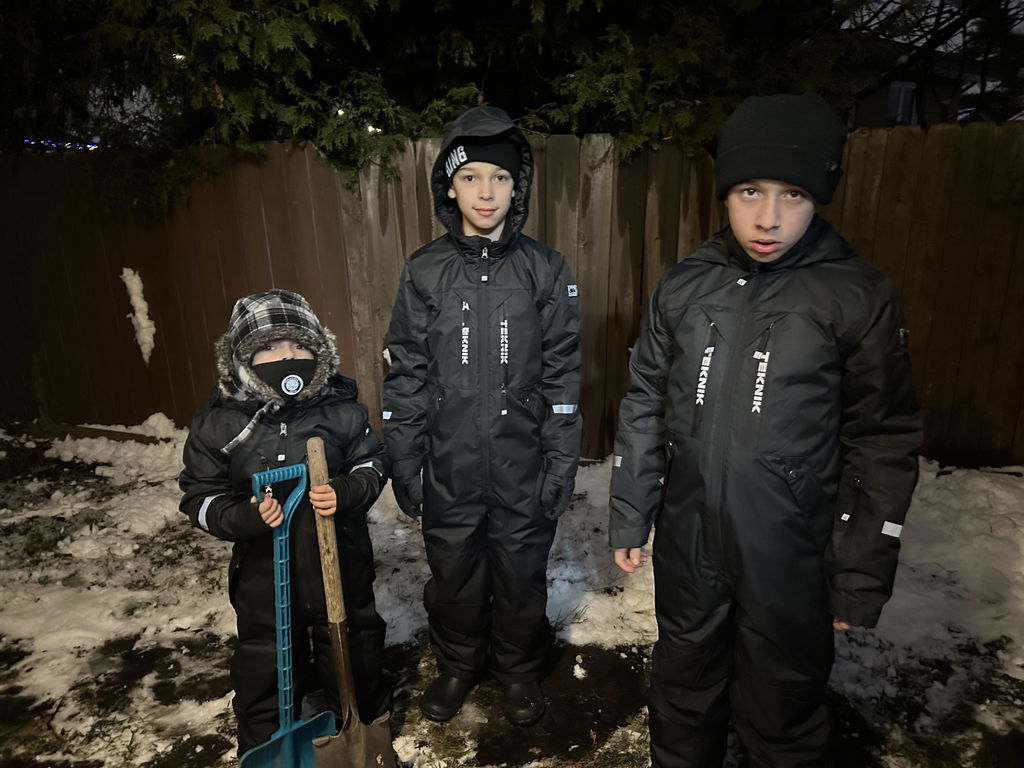
Outerwear is cut to go over layers, so it's the one category where a bit of extra room is expected. Check that your baby can bend their arms and knees, that sleeves reach the wrists, and that the hood doesn't fall over their eyes. Keep car seats in mind, too. The AAP's winter car seat safety tips say bulky clothing, including winter coats and snowsuits, should not be worn under the harness of a car seat. In a crash, the padding flattens, leaving extra space under the straps. Buckle your baby in thinner layers, then add a coat or blanket over the harness. Browse baby girls' snowsuits and baby boys' snowsuits.
What if Your Baby Is Between Sizes?
- Everyday clothes: Go up a size, especially in stretchy knits.
- Woven fabrics (denim, corduroy, button-up shirts): Go up a size, since they don't stretch.
- Snug pajamas: Choose the size that fits snugly now.
- Sleep sacks: Follow the brand's size range and check the neck and armholes.
- Long and lean babies: Size up for length and roll cuffs, or choose two-piece sets so tops and bottoms can be different sizes.
- Babies with chunky thighs or cloth diapers: Check the seat and leg openings, and size up in one-pieces if snaps strain.
Do Washing and Drying Change the Fit?
Yes, they can. Cotton knits may shrink a little, especially in a hot dryer. To keep clothes in the size you bought, follow the care label for water temperature and drying. In Canada, dots on the care symbols show the heat level, as explained in the Government of Canada's Guide to Apparel and Textile Care Symbols. If a garment fits perfectly right now, air dry it or use a low dryer setting. Our guide on how to wash baby clothes so they last longer has more tips.
How Many Baby Clothes Do You Need in Each Size?
There's no single right number, because it depends on how often you do laundry and how messy your baby is. A practical approach:
- Newborn: Keep it small, since many babies outgrow it quickly.
- 0–3 and 3–6 months: Plan for several outfit changes a day, from spit-up and diaper leaks, and enough to get you to the next laundry day.
- 6–12 and 12–24 months: Fewer daily changes, but more wear on knees and seats. Mix and match tops and bottoms to stretch your wardrobe.
The AAP layette guide suggests starting with 3 or 4 sleepwear sets and 3 newborn sleep sacks. Treat that as a starting point and adjust to your routine.
Baby Size Myths That Lead to the Wrong Fit
- Myth: The age on the label is how old your baby will be. Labels are estimates. Go by length and weight first.
- Myth: Stock up on newborn clothes. Many full-term babies outgrow newborn sizes within days, and even 3-month sizes may be outgrown in the first month (AAP).
- Myth: Every pajama can be bought big. Pajamas made to be worn snug should fit snugly (CPSC; Health Canada).
- Myth: A bigger sleep sack lasts longer. A sleep sack that's too big can let your baby's head slip inside (Canadian Paediatric Society).
- Myth: A snowsuit is fine in the car seat. Bulky coats and snowsuits shouldn't be worn under the car seat harness (AAP).
What Size Should You Buy for a Baby Gift?
When you don't know the baby's size, think ahead. Many parents receive lots of newborn and 0–3 month clothes. A 6–12 or 12–18 month outfit is more likely to get worn, but check the season. For example, a 12-month snowsuit for a baby born in spring would be worn the following winter. Sleep sacks with a wide size range, bibs and swaddles are easy picks, too. Keep the gift receipt with the present so the parents can exchange it if the store's policy allows.
Baby Clothing Size Checklist Before You Buy
- Measure length and weight, or use the numbers from the last checkup.
- Check the brand's size chart when one is available.
- Decide on fit by item: room to grow for play clothes, current size for snug pajamas and sleep sacks.
- Look for front snaps, leg snaps and stretchy necklines.
- Think about the season the clothes will be worn in, not just today's size.
- Keep tags on and read the store's return and exchange policy until you've tried the fit.
Frequently Asked Questions
What size clothes should I buy for a newborn?
Buy just a few newborn-size pieces and more in 0–3 months. The AAP says many full-term babies outgrow newborn clothes within days and may outgrow 3-month sizes within the first month. Preemies and smaller babies may wear newborn sizes longer.
Should I buy baby clothes one size bigger?
For everyday clothes, a little growing room is usually fine, especially when your baby is between sizes. Pajamas designed to be worn snug and sleep sacks should fit your baby's current size.
Are baby clothes sized by age or by weight?
Most labels show age in months, but the age is the brand's estimate for a body size. Length and weight are more reliable, so compare your baby's measurements with the brand's size chart when one is available.
Why do baby clothes sizes vary so much between brands?
Each brand uses its own patterns, fit style and fabrics. Stretchy knits fit more loosely than woven fabrics, and outerwear is cut bigger to go over layers. Note which size works in each brand you buy.
Should baby pajamas be bought a size up?
Not if they're made to be worn snug. U.S. rules require tight-fitting children's sleepwear to carry a hangtag saying it should be worn snug-fitting. Choose the size that fits snugly now.
How do I know if a sleep sack is the right size?
Follow the brand's size range and check the fit. The Canadian Paediatric Society says a sleep sack that's too big can let a baby's head slip inside, and one that's too tight can restrict hip and leg movement.
Is 24 months the same as 2T?
Not always. Brands cut these sizes differently, and some use both. Compare your child's length and waist with the brand's size chart instead of assuming 24 months and 2T are the same.
The Bottom Line
Shop by your baby's length and weight, use age labels as a guide only, and remember that every brand fits a little differently. Buy only a few newborn pieces, give everyday clothes a little growing room, and keep snug pajamas and sleep sacks fitted to your baby's current size. When you're ready to shop, browse baby girls' clothes and baby boys' clothes.
Sources
- American Academy of Pediatrics, HealthyChildren.org: Choosing a Layette and Tips for Dressing Your Baby
- American Academy of Pediatrics, HealthyChildren.org: Winter Car Seat Safety Tips
- Canadian Paediatric Society, Caring for Kids: Safe sleep for babies
- Health Canada: Guidelines for the flammability requirements of the Children's Sleepwear Regulations
- U.S. Consumer Product Safety Commission: Children's Sleepwear Regulations fact sheet
- Dietitians of Canada: WHO Growth Charts for Canada
- Government of Canada, Office of Consumer Affairs: Guide to Apparel and Textile Care Symbols