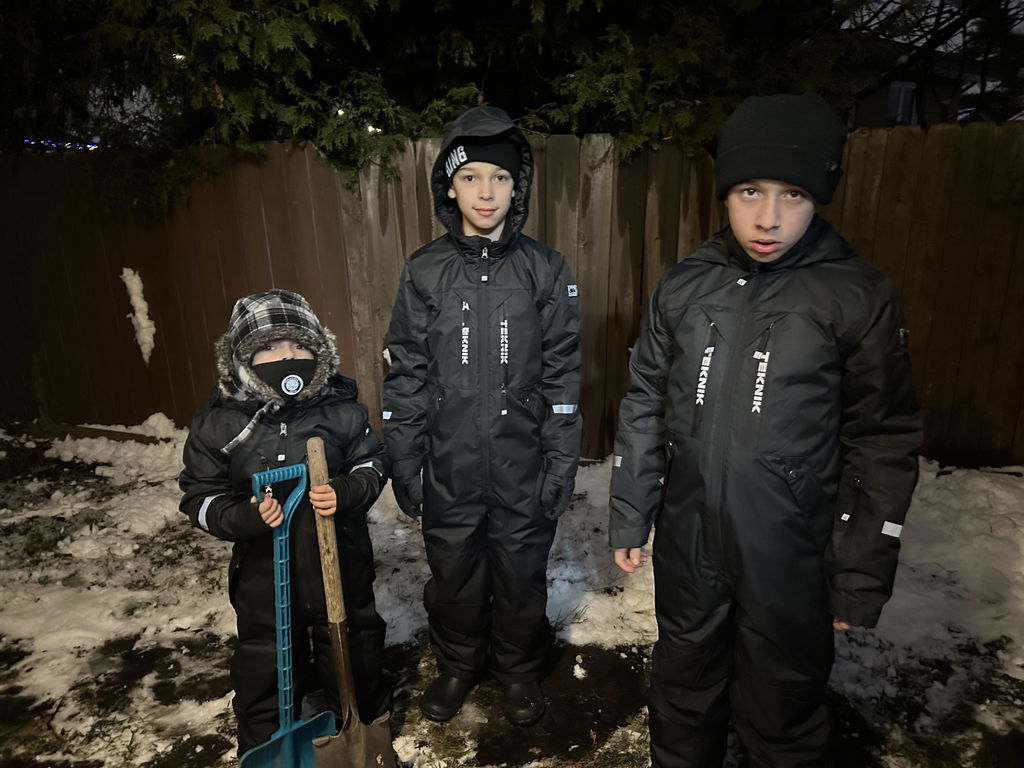
Quick answer: what a toddler or child should wear under a snowsuit depends on the weather, how active they will be, how long they will stay outside and how insulated the snowsuit already is. A practical starting point is a comfortable base layer, an optional mid layer when conditions require more warmth, and the snowsuit as the weather-protective outer layer. More layers are not automatically better.
For babies, use the separate What to Wear Under a Snowsuit for Babies guide. This article focuses on toddlers, preschoolers and school-age kids.
If you are shopping for the layer closest to the body, start with Kids Base Layers. If you are still choosing the outer layer, browse Kids Snowsuits.
The Simple 3-Layer System
1. Base layer
The base layer sits closest to the body. It should fit comfortably, move with the child and avoid large wrinkles or bunching under the snowsuit. The job of a base layer is not to create maximum bulk. It is the first comfortable clothing layer in a system that can be adjusted for conditions.
2. Mid layer
A mid layer is optional. Add one when the temperature, wind, outdoor duration or child’s cold tolerance makes extra insulation useful. Choose a layer that adds warmth without making the snowsuit difficult to zip or restricting movement through the shoulders, hips and knees.
3. Snowsuit
The snowsuit is the outer layer. Compare the exact garment’s insulation, manufacturer temperature guidance when provided, water protection, wind protection, cuffs, gaiters, hood and fit. A heavily insulated snowsuit may need less underneath than a lighter outer layer.
Base Layer vs Mid Layer vs Snowsuit
| Layer | Main job | When to adjust it |
|---|---|---|
| Base layer | Comfortable first layer that sits smoothly under outerwear. | Change fit or fabric if it bunches, rubs or feels uncomfortable. |
| Mid layer | Adds optional insulation. | Add or remove according to temperature, activity and the snowsuit’s warmth. |
| Snowsuit | Provides the product-specific insulation and weather protection of the outer system. | Reassess fit if normal layers make the suit hard to close or restrict movement. |
What Makes a Good Base Layer Under a Snowsuit?
A useful base layer should fit close enough to sit smoothly under the outerwear without feeling restrictive. It should allow the child to bend, climb, sit and raise the arms normally. Seams, cuffs and waistbands should not create uncomfortable pressure under the snowsuit.
Fabric choice can matter, but there is no single best material for every child. Some families prefer merino blends, others use synthetic thermal fabrics or comfortable everyday knits. The finished garment, fit, laundry routine and child’s preference all matter.
Merino Blend vs Synthetic Thermal Base Layers
Merino-blend and synthetic thermal garments can both work under a snowsuit. A merino blend may appeal to families looking for a soft, warm base layer with a different feel from standard polyester thermals. Synthetic thermals can also provide a close-fitting layer that dries and wears differently depending on the fabric construction.
Do not choose by fibre name alone. Check the exact product composition, thickness, stretch, seams and care instructions. If a child dislikes the feel of a material against the skin, the theoretical benefits of that fibre may not matter in practice.
Should Kids Wear Cotton Under a Snowsuit?
Cotton can be comfortable for everyday indoor clothing, but the right choice for outdoor winter use depends on the activity, weather and complete layering system. For short, low-intensity outdoor periods, ordinary clothing may be sufficient under a warm snowsuit. For longer or more active winter use, families often prefer purpose-built base layers that are designed for movement under outerwear.
Avoid turning a fibre rule into a universal statement. The child’s comfort, the length of time outside, how wet the activity may be and how insulated the outerwear is all matter.
How Thick Should the Mid Layer Be?
The mid layer should add useful warmth without changing the fit of the snowsuit. If the child can no longer raise the arms comfortably, bend the knees or zip the suit without tension, the system is too bulky. A larger snowsuit is not always the right solution; the layers may simply need to be adjusted.
Light fleece, a thin sweater or another low-bulk insulating layer may be enough when extra warmth is needed. The exact choice depends on the child and conditions.
What to Wear Under a Snowsuit for School
School creates a special challenge because children move between warm classrooms and outdoor recess. The best system is easy to manage and does not require the child to completely change clothes for every outdoor break.
For many school-age children, comfortable indoor clothing plus an appropriate base or light mid layer can work under snow pants and a winter jacket. If the child wears a one-piece snowsuit, keep the underlayers simple enough that dressing is fast and movement remains easy.
School-day priorities
- Fast dressing and undressing.
- Comfort in the classroom before and after recess.
- Enough warmth for the actual outdoor period.
- Independent management of zippers, snow pants and boots.
- No excessive bulk that slows movement or causes overheating indoors.
What to Wear Under a Snowsuit for Daycare
Daycare children may spend more time outside and may need help dressing. A simple, repeatable system is usually more practical than multiple complicated layers. Caregivers need to identify which pieces belong to the child and how the outfit should be assembled quickly.
Label garments when appropriate and choose layers that are easy to wash according to the product instructions. If the daycare has its own winter-clothing guidance, follow that routine as well.
What to Wear Under a Snowsuit for Sledding
Sledding can be surprisingly active. Children repeatedly climb hills, run through snow and then sit still for the ride down. That means they can alternate between high heat output and short periods of inactivity.
Start with a base layer and evaluate whether a mid layer is necessary based on temperature and the snowsuit’s insulation. Avoid adding a thick sweater simply because sledding happens in winter. The child may become very warm while climbing.
For outerwear selection, see Best Snowsuit for Ski School & Sledding.

Three-layer winter system: start with a comfortable base layer, add a mid layer only when needed, then use the snowsuit as the weather-protective outer layer.
What to Wear Under a Snowsuit for Skiing
Skiing combines movement, wind exposure, chairlift or waiting time and changing weather. A flexible layering system is useful because the child may feel warm during active runs and cooler while waiting.
Base layer fit is especially important because ski boots, gloves and other equipment add their own constraints. Check that pant hems, gaiters and base-layer cuffs do not bunch uncomfortably around the boot area.
What to Wear Under a Snowsuit on Very Cold Days
On colder days, add warmth through an appropriate mid layer instead of automatically stacking several thick garments. Check the snowsuit’s own manufacturer guidance when available, then consider wind, moisture, time outdoors and activity level.
A child standing or sitting outside may need a different setup from a child running continuously. Monitor comfort and shorten outdoor time when conditions require it.
Use the Snowsuit Temperature Ratings Guide when comparing outerwear.
What to Wear Under a Snowsuit in Wet Coastal Weather
Wet snow and slush shift attention toward moisture management. A warm layering system can still feel uncomfortable if the outerwear does not keep the child adequately protected from wet conditions. Check shell performance, cuffs, gaiters and how the suit works with boots and mittens.
Underneath, choose layers that remain comfortable during active movement. Avoid so much bulk that the child becomes sweaty before the outerwear even faces the weather.
What to Wear Under a Snowsuit in Cold, Dry Weather
In cold, dry conditions, insulation and wind protection may be the main concerns. A comfortable base layer plus a light or moderate mid layer can be adjusted according to the snowsuit’s warmth and the child’s activity.
Do not ignore fit. A very warm system that compresses the child’s shoulders, hips or knees is not a good system.
How Activity Level Changes the Layering Decision
| Activity | Typical layering question | What to watch |
|---|---|---|
| Strolling or low activity | Does the child need an added mid layer? | Cold comfort during longer periods of low movement. |
| School recess | Can the child dress quickly and stay comfortable indoors afterward? | Too much bulk and slow transitions. |
| Sledding | Will the child overheat while climbing? | Sweating and restricted movement. |
| Skiing | Can layers handle activity plus wind exposure? | Boot/cuff bunching and changing conditions. |
| Daycare play | Is the system simple and washable? | Repeated dressing and wet gear. |
Can Kids Wear Pajamas Under a Snowsuit?
Pajamas are designed as sleepwear, not automatically as winter base layers. A pajama may be soft and warm, but that does not make it the best choice under every snowsuit. Fit, fabric, seams and bulk should be evaluated just like any other underlayer.
If the pajamas bunch at the waist, have thick cuffs that crowd boots or create excess heat during active play, choose a different layer. Do not rely on sleepwear simply because it is convenient.
Should Kids Wear Jeans Under Snow Pants?
Jeans can be stiff and bulky under snow pants, especially for active play. Some children may tolerate them for a short school recess, but they are not always comfortable for sledding, skiing or prolonged movement. Softer, lower-bulk layers can make bending and climbing easier.
The better question is whether the child can move comfortably and whether the total system matches the weather.
Should You Size Up a Snowsuit for Layers?
Do not automatically size up. A correctly sized snowsuit should allow the type of layering it is designed to accommodate. Buying too large can create long sleeves, dragging legs, poor hood position and extra fabric that makes movement harder.
Use current measurements and the brand’s size chart. Test the snowsuit with the realistic layers the child will wear. If a normal base and mid layer make the garment tight, compare the next size, but make sure the larger size still passes movement and coverage checks.
Use the Snowsuit Sizing Guide before ordering.
How Do You Know There Are Too Many Layers?
- The snowsuit becomes difficult to zip without pulling.
- The child cannot raise both arms comfortably.
- The child cannot squat or climb stairs normally.
- Shoulders look compressed or the torso feels tight.
- The child becomes sweaty quickly during mild activity.
- Cuffs, boots or mittens no longer fit together properly.
- The child complains about pressure, bunching or overheating.
If these signs appear, remove or change a layer before automatically moving to a larger snowsuit.
How Do You Know a Child Needs More Warmth?
Children should be monitored for comfort during outdoor time. If the child repeatedly feels cold despite an appropriate snowsuit and normal activity, review the base layer, mid layer, hand and foot protection, wind exposure and time outdoors.
Do not solve every comfort issue by adding a thick sweater. Cold hands, wet boots or wind entering at the neck may require a different solution.
One-Piece vs Two-Piece Layering
A one-piece snowsuit reduces gaps around the waist, which can simplify the layering system. Because the torso is enclosed in one garment, make sure the base and mid layers do not create tightness through the shoulders, crotch or hips.
A two-piece system gives more flexibility because the jacket and snow pants can be managed separately. Check that the jacket overlaps the pants or bib adequately and that the underlayers do not create a bulky ridge at the waist.
Compare the constructions in One-Piece vs Two-Piece Snowsuits.
How Boots and Socks Affect the Layering System
Winter boots and socks are part of the system. Extra-thick socks can make boots tight, while multiple sock layers can bunch. Check the boot fit with the socks the child will actually wear.
Make sure base-layer cuffs and snow gaiters sit comfortably around the lower leg. Too much fabric inside the boot can create pressure and make walking harder.
How Mittens and Sleeve Cuffs Affect Layering
Gloves or mittens need to work with the snowsuit cuff. Depending on the design, the mitten may sit over or under the cuff. Avoid sleeves and base-layer cuffs that create a thick bunch at the wrist.
The child should still be able to use the hands for climbing, carrying school items or playing in snow.

Mid-layer decision guide: add warmth for colder, windier or longer outdoor time, but avoid unnecessary bulk when conditions and outerwear do not require it.
What to Pack for a Winter Day Away From Home
- Dry base-layer top or bottoms when long outdoor time is expected.
- Spare socks if snow or slush may enter boots.
- Backup mittens for children who get them wet quickly.
- A removable mid layer for changing temperatures.
- Indoor shoes or clothes when the destination requires them.
- A bag for wet items.
For travel, flexibility is more useful than packing the thickest possible version of every layer.
Common Snowsuit Layering Mistakes
- Adding multiple thick sweaters without checking movement.
- Buying the snowsuit two sizes too large for layers.
- Ignoring how active the child will be.
- Using indoor pajamas as the default base layer for every outing.
- Focusing on torso warmth while ignoring wet hands or feet.
- Letting base-layer cuffs bunch inside boots.
- Using the same setup for a mild wet day and a very cold dry day.
- Assuming a child who feels cold once always needs more clothing.
Layering Checklist Before Going Outside
- Check the current temperature, wind and precipitation.
- Decide how active the child will be.
- Review the snowsuit’s insulation and warmth guidance when available.
- Start with a comfortable base layer.
- Add one useful mid layer only when conditions require it.
- Zip the snowsuit and test shoulder, hip and knee movement.
- Check mittens, cuffs, gaiters, socks and boots together.
- Ask the child how the system feels.
- Reassess after the first active period outside.
Frequently Asked Questions
What is the best thing to wear under a snowsuit?
A comfortable base layer is the best starting point. Add a light or moderate mid layer when weather, activity and the snowsuit’s own insulation justify it.
How many layers should a child wear under a snowsuit?
There is no fixed number for every child or temperature. Start with a base layer, add a mid layer when needed and adjust according to comfort and movement.
Should a child wear a sweater under a snowsuit?
A sweater can work as a mid layer if it adds useful warmth without making the snowsuit tight or restricting movement. Thick sweaters are not automatically better.
Can toddlers wear regular clothes under a snowsuit?
Yes, depending on the weather, activity and outerwear. For short outings in moderate conditions, comfortable everyday clothing may be sufficient under a warm snowsuit.
Should base layers be tight?
They should fit smoothly and comfortably rather than hanging very loose, but they should not create pressure or restrict normal movement.
What should kids wear under snow pants?
Use a comfortable lower-body base layer appropriate for the weather and activity. Avoid excessive bulk that makes the snow pants tight through the waist, seat or knees.
Do kids need thermal underwear for school?
Not every child needs thermal underwear every school day. Consider recess length, weather, the child’s clothing and how insulated the outerwear is.
Should I add more layers if my child runs cold?
Possibly, but first identify where the discomfort comes from. Wind exposure, wet mittens, boots or poor fit may be contributing. Adjust the complete system, not only the torso layers.
Bottom Line
The best way to dress a toddler or child under a snowsuit is to build a flexible system: comfortable base layer, optional mid layer and properly fitting outerwear. Adjust for weather, activity and time outdoors instead of treating “more layers” as the goal.
Shop Kids Base Layers for the layer closest to the body, then compare Kids Snowsuits by warmth, weather protection and fit.
Layering Examples for Common Winter Days
Mild snowy school day
Start with the clothes the child can comfortably wear indoors, then add a low-bulk base layer only if it fits the school routine. A heavily insulated snowsuit may not require a substantial mid layer for a short recess. Check that the child can dress independently and does not become overly warm on the walk back inside.
Cold morning with active afternoon play
Use layers that can be adjusted. A base layer plus a removable mid layer lets the family respond when the child moves from a colder morning commute to more active outdoor play later. The goal is not to predict one perfect outfit for the entire day; it is to build a system that can change.
Wet snow and slush
Prioritize the outerwear’s water protection and the way boots, gaiters and cuffs connect. Underlayers should stay comfortable if the child is moving a lot. Pack spare socks or mittens when wet conditions make those items likely to become damp.
Long sledding afternoon
Expect the child to alternate between climbing and sitting. Use a base layer that moves well and add a mid layer only when the temperature and outerwear justify it. Check the child after the first several climbs rather than waiting until the end of the outing to discover the system was too warm.
Very cold but low-activity outing
When the child will stand, watch an event or spend long periods with little movement, additional insulation may be useful. Still check the fit of the complete system. Extra warmth should not come at the cost of compressed shoulders, tight hips or poor circulation at cuffs and boots.
How to Adjust Layers During the Day
Layering is not a one-time decision made at breakfast. Conditions can change, and a child’s activity can change even faster. Teach older children to notice when they feel too warm, sweaty or uncomfortable and to tell an adult. For younger children, adults should check comfort periodically rather than assuming the original setup remains ideal for several hours.
If a child comes indoors sweaty, reduce the next outdoor setup instead of assuming the child simply “runs hot.” If the child repeatedly feels cold, review the full system: base layer, mid layer, snowsuit, hands, feet, wind exposure and time outside. Small adjustments are often more useful than jumping directly to a completely different snowsuit size.
Before Buying Base Layers: Five Questions
- Will this layer be worn for school, daycare, skiing, sledding or general outdoor play?
- Does it fit smoothly under the child’s existing snowsuit?
- Can the child move and use the bathroom comfortably while wearing it?
- Are the fabric and seams comfortable against the skin?
- Can the garment be washed and dried according to a routine that works for the family?
Use those questions before buying multiple sets. Once a base layer proves comfortable and practical, it can make sense to add another for laundry rotation rather than purchasing several untested options at once.