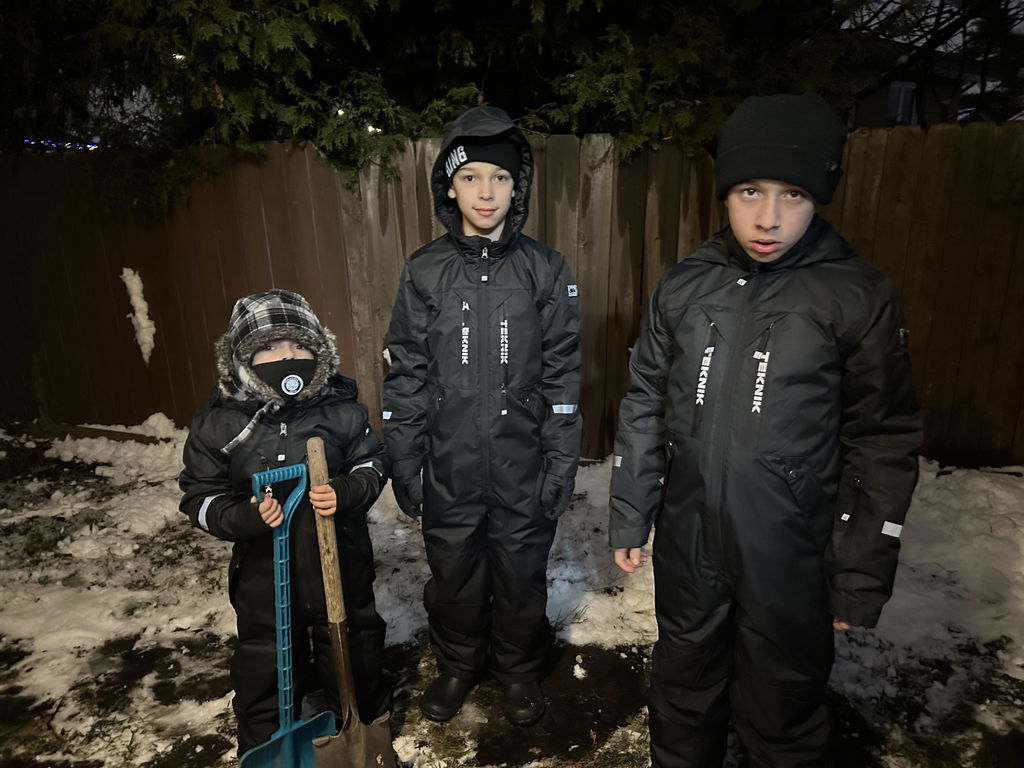
A child dressing for a dry, very cold Prairie day may need a different winter setup from a child spending the season in Vancouver-area rain, wet snow, and slush. The right snowsuit depends on the conditions your child actually faces—not simply the province printed on the shipping address.
Browse Kids’ Snowsuits, then use this comparison to decide which specifications deserve the most attention.
Prairie Cold vs Coastal Wet Winter: Quick Comparison
| Condition | Prioritize |
|---|---|
| Cold, dry, windy winter | Warmth, wind protection, coverage, appropriate layers |
| Mild-to-cold wet winter | Water protection, breathability, shell performance, adjustable layers |
| Wet snow and slush | Water protection plus enough insulation for the temperature |
| Highly active outdoor play | Mobility, breathability, moisture management, weather protection |
What Matters in Prairie Winters?
In colder inland conditions, warmth and wind protection can become major priorities. Look at manufacturer temperature guidance when provided, insulation information, shell construction, cuffs, hood design, and how well the fit accommodates appropriate layers.
Read our Snowsuit Temperature Ratings Guide before comparing ratings.
What Matters in Coastal Winters?
Coastal winters can bring rain, damp air, wet playgrounds, slush, and periods of wet snow. Here, water protection and the ability to adjust layers can be especially useful.
For milder rainy conditions, compare Girls’ Rain Suits and Boys’ Rain Suits. For sustained cold and snow, compare insulated Snowsuits.
Waterproofing Matters in Both Climates
Even a cold Prairie winter includes snow contact, while coastal winters often add moisture and slush. Check the exact garment’s waterproof or water-resistant claims and construction instead of assuming a warm snowsuit is automatically equally strong in wet conditions.
Wind Protection
Wind can change how winter conditions feel. Examine shell construction, hood, cuffs, closures, and other wind-blocking features described by the manufacturer.
Breathability and Active Kids
Kids running at recess or climbing a sledding hill generate heat and moisture. Breathability and adjustable layers can help keep the outfit comfortable during changing activity levels.
Should BC Kids Wear a Snowsuit?
It depends on the day and activity. A child playing in snow or spending extended time outdoors in cold conditions can benefit from winter outerwear even in a milder coastal climate. On warmer rainy days, rainwear with appropriate layers may be more practical.
See Rain Suit vs Snowsuit for the detailed comparison.
Should Prairie Kids Always Buy the Warmest Snowsuit?
No. Match warmth to conditions, activity, exposure time, and the child. A highly active child may need a different layering strategy from a child who spends more time standing or sitting outdoors.
One-Piece or Two-Piece?
Climate alone does not decide this. One-piece snowsuits reduce gaps at the waist, while two-piece setups offer flexibility. Age, independence, school routine, and use case matter too.
Compare both in our One-Piece vs Two-Piece Guide.
Fit Still Matters More Than Postal Code
Measure your child and use the product size information. Oversizing can create unnecessary bulk and interfere with cuffs, boots, and movement.
Use the Snowsuit Sizing Guide.
Canada Winter Buying Checklist
- Identify whether the usual winter is primarily dry-cold, wet-cold, or mixed.
- Check the exact product’s warmth guidance.
- Compare water and wind protection.
- Consider breathability for active kids.
- Choose one-piece or two-piece based on age and routine.
- Confirm size from current measurements.
- Plan adjustable layers.
Shop Snowsuits for Canadian Winters
Browse Kids’ Snowsuits and compare Deux par Deux winter outerwear by the conditions your child actually faces. For more options, see our Best Kids’ Snowsuit Brands in Canada guide.