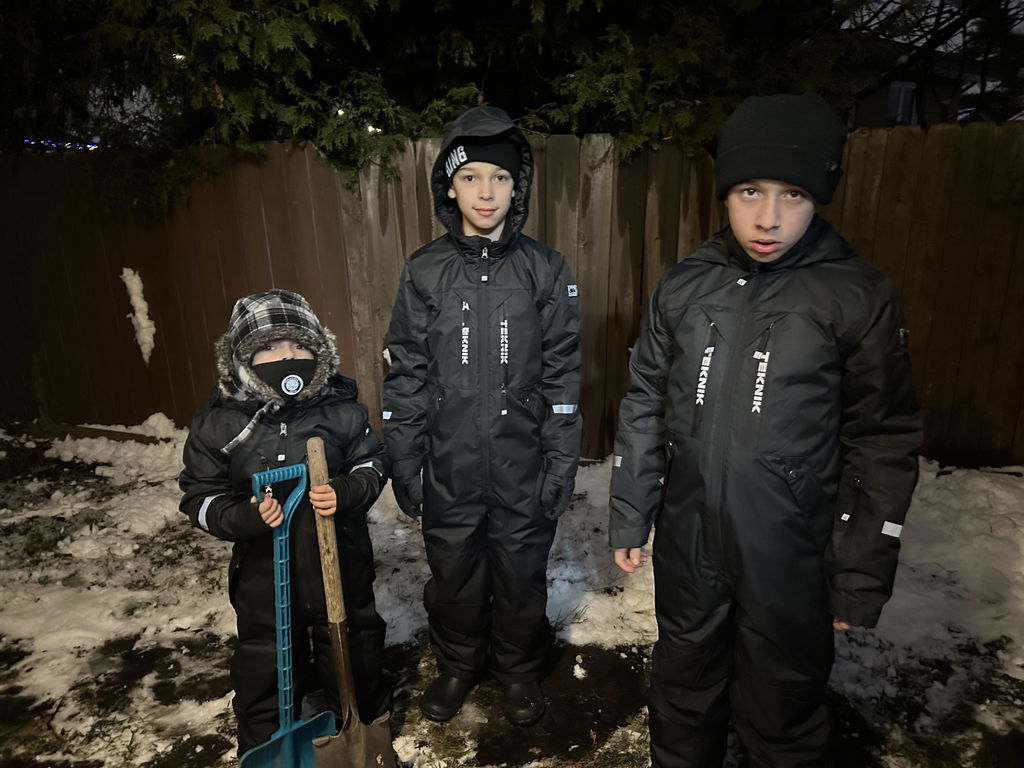
Rain suits and snowsuits solve different weather problems. A rain suit mainly helps block rain, wet ground, and wind, while a snowsuit is designed for colder winter conditions where insulation and snow protection become much more important.
If you are shopping for cold-weather outerwear now, browse Kids’ Snowsuits. For milder wet weather, compare the rainwear available in our Girls’ Rain Suits and Boys’ Rain Suits.
Rain Suit vs Snowsuit: Quick Comparison
| Feature | Rain Suit | Snowsuit |
|---|---|---|
| Primary job | Wet-weather protection | Cold, snow and winter protection |
| Insulation | Often light or uninsulated | Typically designed with winter warmth in mind |
| Best season | Rainy spring/fall and mild wet days | Winter and sustained cold |
| Layering | Can be layered over warmer clothing | Usually combines outer protection with insulation |
Exact construction varies by product, so always check the individual garment specifications.
When Is a Rain Suit the Better Choice?
A rain suit can make more sense when temperatures are mild but the ground, playground, or forecast is wet. It gives you more control over warmth because you can change the layers underneath.
When Is a Snowsuit the Better Choice?
Choose a snowsuit when your child needs a winter outer layer for snow, cold wind, and extended outdoor time. Compare insulation, shell protection, cuffs, gaiters, hood design, fit, and any temperature guidance provided for the exact garment.
What About Slush?
Slush combines wet conditions with colder temperatures. A lightweight rain shell may block moisture but may not provide enough warmth by itself. A winter snowsuit with suitable water protection may be more practical when conditions are both cold and wet.
What Is Shoulder Season?
Shoulder season is the changing-weather period between major seasons—for example, late fall before sustained winter cold or early spring as snow begins to melt. These days can move between rain, wet snow, wind, and mild temperatures.
That is where layering matters most: use the outer shell for the conditions and adjust the layers underneath instead of dressing for the calendar date.
Can You Wear Warm Layers Under a Rain Suit?
Yes, when the rain suit has enough room for comfortable movement and the layers are appropriate for the conditions. Avoid adding so much bulk that movement or fit becomes poor.
Can a Rain Suit Replace a Snowsuit in Winter?
Not automatically. An uninsulated rain suit and an insulated snowsuit are different products. Compare the actual weather, exposure time, activity level, layers, and product specifications before deciding.
One-Piece vs Two-Piece Outerwear
One-piece outerwear can reduce gaps at the waist, while two-piece setups offer flexibility. For winter specifically, see our One-Piece vs Two-Piece Snowsuit Guide.
How to Choose for Daycare or School
- Check the forecast and expected outdoor time.
- Choose outerwear the child can put on and remove.
- Make sure the fit allows normal movement.
- Plan for wet playgrounds, puddles, snow, or slush.
- Label removable pieces.
- Follow the school or daycare’s outdoor-gear requirements.
Cold and Snowy? Shop Snowsuits
For sustained winter conditions, start with Kids’ Snowsuits. You can also compare Deux par Deux and use our Snowsuit Sizing Guide before ordering.
Wet and Mild? Shop Rainwear
For rainy days where insulation is not the main need, browse Girls’ Rain Suits or Boys’ Rain Suits and choose the outer layer based on the exact temperature, wind, rain, and activity.