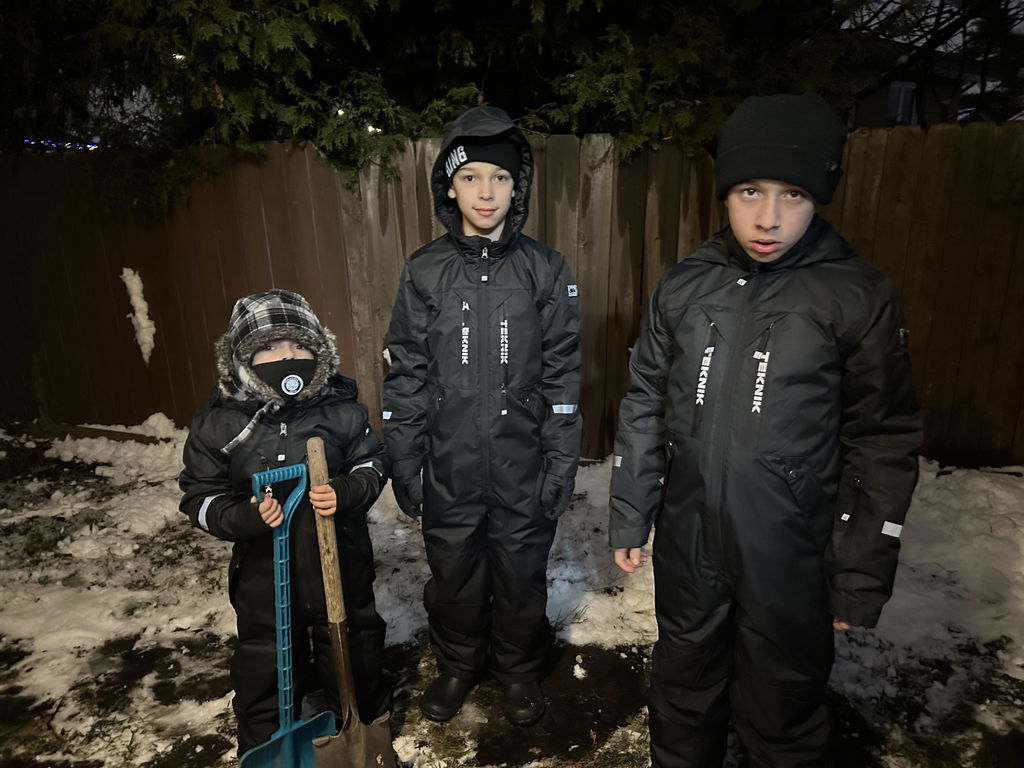
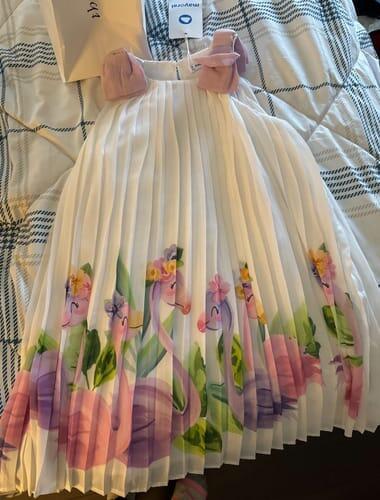
The best rain gear for kids keeps wet weather manageable without adding unnecessary bulk. Start with the type of rain protection your child actually needs—rain suit, rain jacket, rain pants, or boots—then compare fit, waterproof claims, closures, and ease of movement.
Shop Girls Rain Suits or Boys Rain Suits.
What Rain Gear Do Kids Need?
- Rain suit or rain jacket for upper-body/weather protection.
- Rain pants or a one-piece rain suit for wet playgrounds.
- Waterproof rain boots for puddles and wet ground.
- Appropriate layers underneath for the temperature.
One-Piece Rain Suit vs Jacket and Pants
A one-piece rain suit reduces gaps around the waist and can be useful for younger children playing close to wet ground. Separate pieces provide more flexibility for older kids and changing conditions.
Waterproof vs Water-Resistant
Check the exact manufacturer claim. Do not assume every rain garment offers the same level of protection. Construction, seams, closures, and fabric specifications can differ by style.
How Should Kids’ Rain Gear Fit?
Rainwear should allow walking, crouching, climbing, and normal arm movement with the layers intended underneath. Avoid excessive oversizing that creates long sleeves or legs.
Rain Boots
For wet ground and puddles, browse Girls Rain Boots and Boys Rain Boots. Check size, sock room, and walking comfort.
Rain Gear for Babies and Toddlers
For younger children, one-piece rain suits can simplify coverage. Browse Baby Girls Waterproof Rain Suits and Baby Boys Waterproof Rain Suits.
Rain Gear vs Snowsuit
Rainwear mainly addresses wet conditions; a snowsuit adds winter insulation and snow protection. In slush or shoulder season, the right choice depends on both temperature and moisture.
Read Rain Suit vs Snowsuit.
Rain Gear Buying Checklist
- Choose one-piece or separates.
- Check the exact waterproof/water-resistant claim.
- Confirm room for appropriate layers.
- Check cuffs, hood, and closures.
- Make sure the child can move normally.
- Add rain boots when wet ground requires them.
- Follow the care instructions.
Shop Kids’ Rain Gear
Browse Girls Rain Suits, Boys Rain Suits, and baby rain-suit collections for younger children.
Choose Rain Gear by Use Case
Daycare and preschool
One-piece rain suits can reduce gaps around the waist and simplify wet-play coverage. Look for a fit that still allows crouching, climbing and walking.
Elementary school
Separate jackets and rain pants can offer more flexibility as children move between indoor and outdoor activities. Independence with zippers, hoods and boots matters.
Travel and weekend outings
Consider packability, drying time and whether the same shell can be layered for cooler weather.
How to Read Rainwear Product Claims
“Waterproof” and “water-resistant” should not be treated as identical. Use the exact manufacturer wording and numerical ratings when they are provided. Also check seams, closures, cuffs and hood construction because the fabric specification is only one part of the garment.
Common Rain-Gear Buying Mistakes
- Buying too large and creating long sleeves or legs.
- Choosing by print while ignoring movement and closures.
- Assuming every rain suit is insulated.
- Using a rain shell as a winter snowsuit without considering temperature and layers.
- Ignoring boot fit and sock room.
Frequently Asked Questions
Do kids need both a rain suit and a snowsuit?
Not always. It depends on climate and activities. Rainwear is useful for wet mild conditions; insulated snowsuits address colder winter conditions.
Should rain gear be oversized?
Choose enough room for intended layers while keeping sleeves, legs and movement manageable.