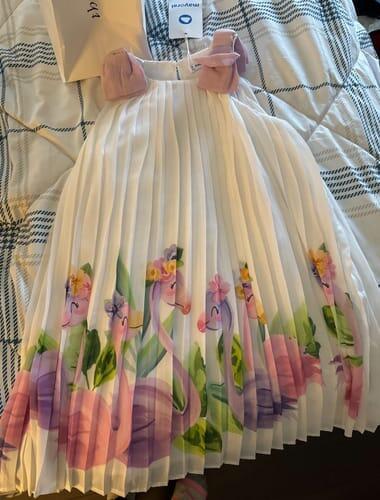
Luxury baby clothes are worth paying more for only when the premium shows up in something you will actually use—better fabric feel, construction, fit, durability, distinctive design or a special-occasion finish. A higher price alone does not make a garment better for every baby.
This guide compares the factors that can justify premium pricing and the situations where a well-made everyday option may be the smarter buy.
Table of Contents
-
Key Considerations Before You Splurge
-
Material Quality
-
Craftsmanship & Construction
-
Durability & Longevity
-
Sustainability & Ethical Production
-
Resale & Hand‑Me‑Down Value
-
What Makes Baby Clothes “Luxury”?
Not all baby clothes are created equal. While budget‑friendly options focus on basic functionality, premium garments emphasize:
-
Superior Materials: Think GOTS‑certified organic cotton, TENCEL™ modal, cashmere blends, or silk accents that feel buttery soft against delicate skin.
-
Attention to Detail: Reinforced seams, embroidery, hand‑stitched appliqués, and signature hardware elevate the garment’s aesthetic and structural integrity.
-
Limited Editions & Designer Appeal: Exclusive colorways, limited‑run collections, and designer collaborations add uniqueness—and prestige—to your baby’s wardrobe.
-
Ethical & Sustainable Practices: Many luxury brands invest in eco‑friendly dyes, fair trade manufacturing, and transparent supply chains.
These attributes, however, come at a premium. In the next section, we’ll unpack whether that premium translates into real‑world benefits for your family.
Key Considerations Before You Splurge
1. Material Quality
Why it matters: Delicate baby skin requires breathable, chemical‑free fabrics. High‑quality textiles not only prevent irritation but also stand up to multiple washes without pilling or fading.
-
Organic vs. Conventional: Organic cotton often commands a 20–40% price premium over conventional cotton, but it’s grown without harsh pesticides.
-
Blends & Finishes: Modal, bamboo, and silk blends can add drape and sheen but may require extra care (e.g., cold wash, air‑dry).
Tip: Look for Oeko‑Tex or GOTS certification seals to verify fabric purity.
2. Craftsmanship & Construction
Why it matters: Poorly made seams, flimsy snaps, or low‑quality elastics lead to constant replacements—or worse, safety hazards.
-
Seam Reinforcement: Luxury labels often double‑stitch stress points (e.g., shoulders, crotch) for longevity.
-
Hardware Quality: Nickel‑free snaps, mother‑of‑pearl buttons, or branded zippers enhance both safety and aesthetics.
Tip: Inspect inside garments for neat, even stitching and secure closures before you buy.
3. Durability & Longevity
Why it matters: Babies grow quickly, but some pieces—like special‑occasion outfits or keepsakes—may be worn multiple times across siblings.
-
Wash‑and‑Wear Performance: Premium cottons and blends typically resist shrinkage and maintain shape.
-
Outlast Factor: While trend‑driven prints fade fast, classic neutral pieces can transition between siblings or be resold.
Tip: Factor in potential resale value when calculating “cost per wear.”
4. Sustainability & Ethical Production
Why it matters: Eco‑conscious parents prioritize brands that minimize environmental impact and ensure fair labor practices.
-
Transparent Supply Chains: Brands that publish factory locations and worker welfare reports often charge more—but offer peace of mind.
-
Eco‑Friendly Packaging & Shipping: Recyclable garment bags, minimal plastic use, and carbon‑neutral shipments are hallmarks of conscientious labels.
Tip: Check brand websites for sustainability reports or third‑party certifications like Fair Trade or B Corp.
5. Resale & Hand‑Me‑Down Value
Why it matters: Rare, well‑maintained luxury pieces can fetch high prices on resale markets like Poshmark or The RealReal.
-
Classic vs. Trendy: Timeless silhouettes (e.g., simple rompers, classic cardigans) retain value better than seasonal prints.
-
Condition & Care: Pristine, unworn, or gently used items command top dollar among savvy parents.
Tip: Keep original tags and packaging to boost resale appeal.
Top Luxury Baby Clothing Brands at a Glance
Below is a quick reference table comparing the standout features of nine leading luxury baby clothing brands carried at Jennikidz:
| Brand | Price Range | Signature Features | Key Materials | Collection Link |
|---|---|---|---|---|
| Angel Dear | $35 – $80 per piece | Hand‑embroidered appliqués; whimsical prints | Organic cotton, bamboo | Angel Dear |
| Kyte Baby | $40 – $75 per piece | Bamboo‑rayon softness; neutral palette | Bamboo rayon | Kyte Baby |
| Petit Lem | $25 – $60 per piece | French‑inspired stripes and florals | Organic cotton | Petit Lem |
| Miles The Label | $30 – $70 per piece | Hand‑painted prints; gender‑neutral styles | Organic cotton, wool | Miles The Label |
| Mayoral | $20 – $55 per piece | European tailoring; mix‑and‑match essentials | Cotton blends | Mayoral |
| Deux Par Deux | $40 – $85 per piece | Bold colors; quilted textures | Cotton knits | Deux Par Deux |
| Hatley | $25 – $65 per piece | Signature rainwear; playful graphic prints | Cotton, waterproof PU | Hatley |
| Joules | $30 – $75 per piece | British countryside motifs; durable denim | Cotton, denim blends | Joules |
| Jennikidz.ca Main Picks | $15 – $90 per piece | Curated mix of premium & budget basics | Various | Shop All |
Cost vs. Value: Is It a Smart Investment?
Splurging on luxury baby clothes often raises eyebrows—especially when a baby outgrows outfits in weeks. Here’s how to weigh the numbers:
-
Cost Per Wear
-
A $60 designer romper worn three times a week for a month yields ~12 wears:
- Cost per wear = $5.00 -
A $15 basic romper worn the same way yields ~12 wears:
- Cost per wear = $1.25
-
-
Longevity Across Siblings
-
Higher‑end pieces often survive multiple hand‑me‑downs, effectively halving or quartering the cost per wear over time.
-
-
Resale Recoup
-
Well‑maintained pieces from brands like Angel Dear or Kyte Baby can resell at 40–60% of original price—offsetting initial outlay.
-
-
Emotional & Aesthetic Value
-
Luxurious fabrics, thoughtful details, and unique designs add enjoyment that transcends pure economics.
-
-
Budget Allocation
-
If baby wardrobes account for 5% of your overall baby budget, you might choose to splurge selectively—prioritizing keepsakes or special‑occasion items.
-
Bottom Line: If you plan for hand‑me‑downs, resale, and frequent wears, splurging on select pieces can be cost‑effective in the long run.
Styling Tips for Luxury Baby Pieces
Even the most exquisite baby garment deserves thoughtful styling:
-
Neutral Foundations: Pair a statement cashmere cardigan with a simple organic‑cotton bodysuit to let the luxury piece shine.
-
Layering for Versatility: Use high‑quality basics (e.g., premium leggings) under dresses or rompers to extend wear across seasons.
-
Mix High & Low: Balance a designer top with budget‑friendly bottoms for a polished yet practical look.
-
Accessorize: A luxe bonnet or knitted booties can elevate a simple outfit into a memorable ensemble.
-
Photography‑Ready: Reserve your finest pieces for milestone photo shoots or special events to create lasting memories.
How to Care for Your Luxury Baby Clothing
Preserving your investment requires a bit more TLC:
-
Read the Care Label
-
Follow temperature and cycle recommendations precisely.
-
-
Gentle Detergents
-
Use fragrance‑free, dye‑free detergents designed for delicate fabrics.
-
-
Cold Water Wash
-
Most luxury pieces benefit from a cold, gentle cycle to prevent shrinkage.
-
-
Air‑Dry Flat
-
Avoid the dryer; lay items flat to maintain shape and fiber integrity.
-
-
Spot Clean Immediately
-
Treat spills with a mild stain remover to prevent permanent marks.
-
-
Storage
-
Fold knitwear to avoid stretching; hang sturdy pieces on padded hangers.
-
Proper care can extend the life of premium items well beyond a single season—maximizing your cost‑per‑wear value.
Alternatives to Splurging on Every Piece
If your budget doesn’t allow a fully luxury wardrobe, consider:
-
Selective Splurges: Invest only in milestone or keepsake items (e.g., first‑birthday outfit).
-
Rental Services: Platforms like Rent the Runway Kids (where available) let you borrow high‑end pieces for special occasions.
-
Secondhand Finds: Shop gently used luxury clothing on resale apps, often at 50–70% off retail.
-
DIY Customization: A basic garment adorned with hand‑sewn appliqués can mimic designer flair.
-
Capsule Collections: Curate a small, versatile set of outfits that mix and match, reducing overall spending.
Conclusion
Luxury baby clothes offer undeniable benefits—superior comfort, lasting durability, sustainable practices, and heirloom quality. By strategically selecting key pieces, practicing vigilant care, and planning for resale or hand‑me‑downs, you can make those splurges both emotionally and economically rewarding. Whether you choose to invest in an Angel Dear dress for family photos or a soft Kyte Baby sleep set for everyday wear, understanding the true cost per wear and long‑term value will help you answer the ultimate question: Are luxury baby clothes worth the splurge? For many parents, the answer lies in a balanced approach—mixing a few treasured high‑end items with dependable basics to create a functional, stylish, and sustainable baby wardrobe.
FAQs
-
Are luxury baby clothes really worth the extra cost?
Luxury baby clothes often feature premium materials, ethical manufacturing, and meticulous craftsmanship. While they carry a higher upfront price, factors like superior durability, potential resale value, and the emotional joy of dressing your child in exquisite fabrics can justify the investment—especially when pieces are worn across multiple seasons or siblings. -
What are the top luxury baby clothing brands?
Some of the most sought‑after luxury baby labels include Angel Dear, Kyte Baby, Petit Lem, Miles The Label, Mayoral, Deux Par Deux, Hatley, and Joules. Each brand offers unique design signatures—from hand‑embroidered details to bamboo‑rayon softness—catering to a variety of tastes and needs. -
How can I maximize the life of luxury baby clothes?
To preserve premium garments, always follow the care label instructions: wash on a gentle cold cycle, use mild detergent, spot treat stains promptly, and air‑dry flat. Proper storage—folding knits and hanging sturdier items on padded hangers—also helps prevent damage. -
Can I resell luxury baby clothes once my baby outgrows them?
Absolutely. Well‑maintained luxury pieces can fetch 40–60% of their original price on resale platforms like Poshmark, The RealReal, or local consignment boutiques. Retaining original tags and packaging, and choosing timeless designs, boosts resale appeal. -
How do I balance splurges with budget‑friendly basics?
Adopt a capsule wardrobe mindset: pick a handful of high‑quality statement pieces (e.g., a cashmere cardigan or hand‑embroidered romper) and pair them with simple, affordable basics. This approach minimizes wardrobe size while maximizing outfit combinations and styling versatility. -
Where can I shop luxury baby clothes in Canada?
Jennikidz.ca offers a curated selection of premium baby collections, including Angel Dear, Kyte Baby, Petit Lem, Miles The Label, Mayoral, Deux Par Deux, Hatley, and Joules. Shopping online provides access to exclusive colorways and limited editions, often with free or discounted shipping across Canada. -
How do I choose the right luxury piece for special occasions?
For milestone events—like first birthdays or family photos—opt for classic silhouettes in neutral tones that photograph well and won’t go out of style. Embellishments like lace trims, delicate embroidery, or subtle metallic accents add a festive touch without overwhelming the outfit. -
Are there eco‑friendly luxury baby clothing options?
Many premium brands now prioritize sustainability: they use GOTS‑certified organic cotton, bamboo‑rayon blends, low‑impact dyes, and transparent supply chains. Look for certifications like Oeko‑Tex, Fair Trade, or B Corp to ensure environmental and social responsibility. -
What is “cost per wear” and how do I calculate it?
Cost per wear is a simple way to evaluate value: divide the garment’s purchase price by the number of times you expect to wear it. For example, a $80 baby dress worn eight times yields a cost per wear of $10. Splurge pieces often have a lower cost per wear when factored across siblings or resale. -
Can I rent luxury baby clothes instead of buying?
In some regions, rental services allow you to borrow high‑end baby outfits for special occasions—perfect if you need a one‑time splash of luxury without the full investment. Check local rental platforms or community groups for availability.
Ready to elevate your baby’s wardrobe? Discover our full range of luxury collections at Jennikidz.ca and find the perfect piece for your little trendsetter!
Related guide: Baby Clothes Brands in Canada: Comparison & Buying Guide.
Luxury Baby Clothes Decision Matrix
| Purchase type | When premium pricing may make sense | When to save |
|---|---|---|
| Everyday basics | Excellent fit, frequent wear, easy care | When a lower-priced option meets the same need |
| Pajamas | Preferred fabric/fit used repeatedly | Before testing a new brand |
| Outerwear | Product-specific performance and frequent use | When technical features are unnecessary |
| Occasionwear | Strong rewear or hand-me-down potential | For a single short event |
| Gift | Recipient values the brand/material and exchange is easy | When size/season is uncertain |
What “Luxury” Should Not Be Used to Assume
A premium price does not automatically prove better fit, safer materials, stronger sustainability performance or longer durability. Those are separate claims that should be evaluated from the exact garment, certification, construction and care requirements.
How to Compare a Premium Item With a Mid-Price Alternative
- Confirm both products solve the same wardrobe need.
- Compare current size availability.
- Read fibre composition.
- Compare construction and closures.
- Review care requirements.
- Identify product-specific certifications or technical claims.
- Estimate frequency of wear.
- Compare return conditions.
Luxury Baby Clothing by Category
Premium sleepwear
Fit and care can matter more than branding. Compare Petit Lem, Angel Dear and the wider baby pajama collections by exact fibre, closure and intended fit.
Premium occasionwear
For polished outfits, browse Mayoral. Consider lining, movement, diaper or bathroom access and whether the piece can be reworn.
Premium winter outerwear
For outerwear, evaluate warmth guidance, water protection, wind protection, fit and mobility before brand prestige. Browse Deux par Deux and Kids’ Snowsuits.
Cost per Wear for Premium Baby Clothes
A simple cost-per-wear estimate helps separate price from value. A $60 sleeper worn 30 times has a different value profile from a $60 special outfit worn once. The calculation is not a quality score; it is a way to connect spending with actual use.
Premium Clothing and Growth Risk
The faster a child is growing, the more carefully future-size premium purchases should be considered. Buying several expensive pieces far ahead can create more sizing risk than buying one current-size garment that immediately enters rotation.
How to Shop Luxury Baby Clothes on Sale
A sale can improve value when the garment already fits a real need. Do not use the original price as proof that a discounted item is automatically a better garment. Check the current size, season and expected use first.
Luxury Baby Clothes Checkout Checklist
- Identify the wardrobe need.
- Confirm current size.
- Check fabric and construction.
- Verify special claims.
- Estimate likely wears.
- Review care.
- Consider rewear or hand-me-down value.
- Check returns before removing tags.
More Luxury Baby Clothing FAQs
Are luxury baby clothes always softer?
No. Softness depends on the finished textile and construction, not price alone.
Are premium brands more sustainable?
Not automatically. Evaluate the specific evidence and certifications behind sustainability claims.
Which luxury pieces are easiest to justify?
High-use garments that fit well and suit the household routine often have a stronger value case than one-use pieces.
When a Luxury Baby Purchase Makes Sense
You already know the brand fits
Repeat purchases carry less fit uncertainty when the child has worn the same brand and category successfully. Still recheck measurements because growth can change the useful size.
The garment will be worn frequently
High-use pajamas, everyday layers or outerwear can justify a larger budget more easily than an item intended for one photograph or event.
The premium feature is specific and useful
A fabric preference, construction detail or technical specification can matter when it solves a real need. Pay for the feature you will use, not simply for premium positioning.
When to Skip the Splurge
The size is a guess
A future-size premium purchase has higher risk, especially when tied to a specific season.
The item duplicates a low-use category
Another occasion outfit may deliver little value if the child already has one that fits.
The claim cannot be verified
Do not pay more solely for vague language such as “premium,” “natural” or “sustainable” without understanding what the exact product provides.
Luxury Baby Clothes for Gifts
Premium clothing can make an appealing gift, but size and season remain important. Include a gift receipt where possible and avoid presenting fabric or brand claims as guarantees about sensitive skin, durability or sustainability.
Luxury Wardrobe Strategy: One Premium Piece, Simple Basics
A wardrobe does not need to be entirely premium. One well-chosen dress, sweater, pajama set or outerwear piece can be combined with simpler basics. This concentrates budget on the garment where fit, design or performance matters most.
Premium Baby Clothing Returns and Care
Confirm fit before washing or removing tags. Once the garment stays, follow the exact care label. Premium price does not make a textile immune to shrinkage, heat damage, colour change or wear from unsuitable care.
Final Luxury Purchase Questions
- What exact feature am I paying more for?
- Will the child wear it often enough?
- Is the current size predictable?
- Can the household follow the care instructions?
- Is there a less expensive garment that solves the same need?
- Can the piece be reworn or handed down?
Resale and Hand-Me-Down Value: Be Realistic
Potential resale or hand-me-down use can support a premium purchase, but it should not be treated as guaranteed future value. Condition, demand, size, season and how the garment was cared for all affect whether another family or sibling can use it later.
If future reuse matters, prioritize versatile styling, correct care and construction that suits frequent wear. Keep the garment clean and store it dry after it is outgrown. Do not preserve an item so carefully for resale that the child cannot comfortably use it now.
Luxury Baby Clothing Purchase Scenarios
First baby
Start small because you do not yet know which brands, fabrics and garment types will work best. One premium current-size piece can provide more useful information than a large coordinated order.
Second child or known brand fit
Previous fit experience can reduce uncertainty, especially for basics. Still confirm the new child’s measurements rather than assuming siblings have identical proportions.
Special gift
Choose a useful category and flexible exchange option. Premium packaging is secondary to getting the size and season right.
Bottom-Line Luxury Test
A luxury baby garment is worth considering when its specific fit, design, material, construction or performance creates value for your family and the item will actually be used. If the main reason to buy is the premium label itself, compare a lower-priced alternative before checkout.