Quick answer: An infant bunting bag is a sleeping-bag-style cover for babies in a stroller or carrier seat, while a one-piece snowsuit is wearable outerwear with separate legs. Buntings suit young babies on stroller walks. Snowsuits suit crawlers, walkers and snow play. For car rides, follow your car-seat manual and keep bulky layers out of the harness.
Packing a baby for a winter trip raises a question many parents don't think about until they're at the store: do you need a bunting bag, a snowsuit or both? They both keep a baby warm outside, but they work very differently once you add a stroller, a car seat, an airport or a snowy backyard.
This guide compares the two side by side, explains what each one is for, and walks through car-seat rules, stroller safety, layering and packing for real winter trips. It draws on guidance from the American Academy of Pediatrics, the Canadian Paediatric Society, Transport Canada and Health Canada, plus product details from Deux par Deux, a brand we carry.
Shop the guide: For stroller walks with a young baby, start with our baby bunting bags and footmuffs. Once your baby crawls or plays in the snow, compare wearable styles such as the Deux par Deux Baby Original one-piece snowsuit in olive green or the Baby Original one-piece in black, which Deux par Deux lists in sizes 6 months to 30 months/2T.
What this guide covers
- What a bunting bag is, and how it differs from a one-piece snowsuit
- Which one fits your baby's age and stage
- Car-seat safety: bulky clothing, harness fit and aftermarket products
- Stroller walks, sleep and overheating
- Layering under each option
- Packing lists for road trips, flights and snow days
This article is general information. It is not medical or car-seat installation advice. Always follow the instructions from your car-seat, stroller and clothing manufacturers.
What Is an Infant Bunting Bag?
A bunting bag is an insulated, sleeping-bag-style cover that wraps around a young baby. Most have a hood and a zippered front, and many are made to sit inside a stroller or an infant carrier seat. The word "bunting" is used loosely, though. Some products are worn like a sack-shaped snowsuit, while others are closer to a stroller footmuff, so always check what the maker says the product is for.
For example, the Deux par Deux bunting bags in our baby bunting bags and footmuffs collection come in a 0/9m size. Deux par Deux sizes them for babies up to about 70 cm (27.5 in) long and lists a rating of -20°C (-4°F). The same collection includes the Evolutive footmuff, which the brand designs for babies from 3 months to 2 years, and the lighter Nido wrap for 0–6 months, which Deux par Deux rates to 0°C (32°F).
What Is a One-Piece Baby Snowsuit?
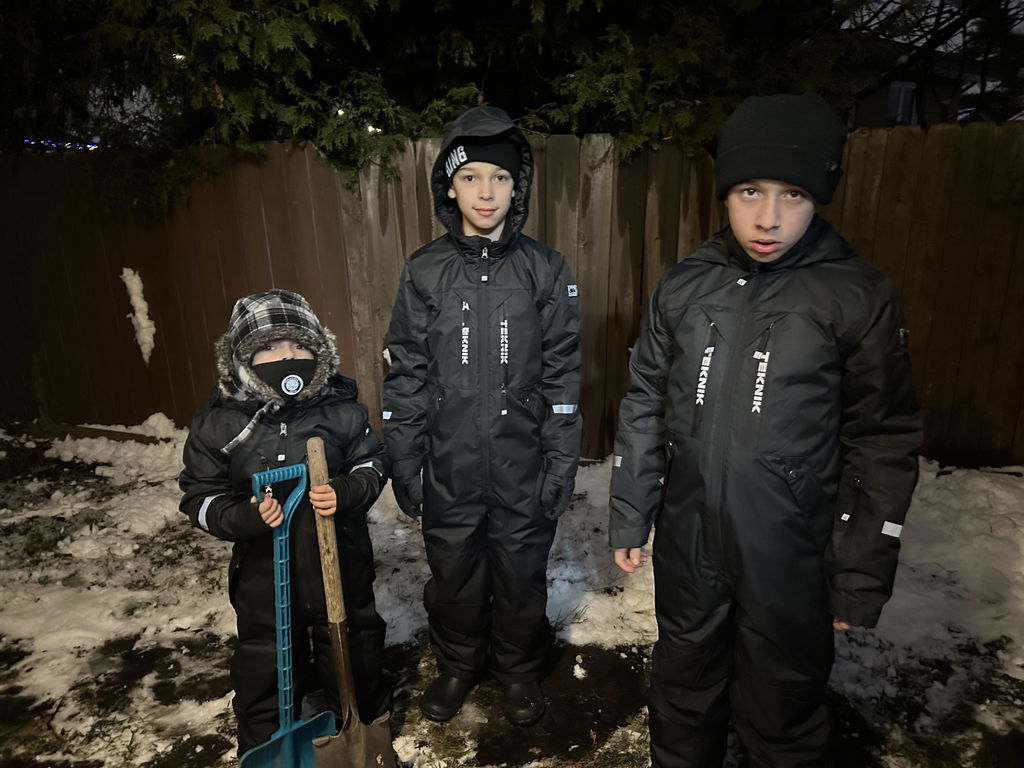
A one-piece snowsuit is wearable outerwear. It covers the body, arms and legs in one garment, with separate leg sections so your baby can kick, crawl and eventually walk. Many have a hood, cuffs and fold-over hand or foot covers for younger babies, and some have zippers that run down the legs for easier dressing.
Snowsuits stay on your baby when you lift them out of the stroller, which makes them the go-to choice once a child is moving on their own. Features vary by style, so check the exact garment for its insulation, water protection and temperature guidance. Browse baby girls' snowsuits and baby boys' snowsuits to compare.
Bunting Bag vs. Footmuff vs. Baby Wrap: What's the Difference?
Stores often group these together, but they're built for slightly different stages. Using the Deux par Deux styles in our collection as examples:
- Bunting bag: a full insulated sack with a hood for young babies. Deux par Deux's bunting bag is sized 0/9m, rated to -20°C (-4°F), and comes with a hat and a blanket. Long side zippers open it flat for loading.
- Footmuff: a padded cover that stays in the stroller and grows with your child. The Deux par Deux Evolutive footmuff is designed for 3 months to 2 years, rated to -20°C, with an adjustable hood and front pockets.
- Baby wrap: a lighter, smaller nest for the youngest babies. The Deux par Deux Nido wrap is sized 0/6m and rated to 0°C (32°F), which suits cool fall walks more than deep winter.
A quick rule: choose by your baby's length and the coldest temperature you expect, and remember that each temperature rating is the brand's guidance for that product, not a promise for every condition. Wind, wet snow and time outside all change how warm your baby feels.
Bunting Bag vs. One-Piece Snowsuit: Side-by-Side Comparison
| Question | Bunting bag | One-piece snowsuit |
|---|---|---|
| What it is | Insulated sack or cover, often for a stroller or carrier seat | Wearable outerwear with arms and separate legs |
| Best ages | Young babies who don't crawl or walk yet | Crawlers, early walkers and toddlers, plus young babies in wearable sizes |
| Leg movement | Limited; legs share one space | Free; each leg moves on its own |
| Works with boots | No | Yes, in walking sizes |
| Getting in and out | Usually quick: unzip and lift | Takes longer, but stays on when you pick baby up |
| Snow play | Not designed for it | Designed for it |
| Car seat | Only if the car-seat manufacturer allows it (see below) | Not under the harness if it's bulky (AAP) |
| How long it lasts | Limited by the baby's length | Sized by age; you'll size up as your child grows |
Which Should You Choose for Your Baby's Age?
Newborns and young babies
Newborns spend winter outings in a stroller, a carrier seat or in your arms. They don't move around to warm themselves up. The Canadian Paediatric Society's winter safety advice notes that babies need extra care and bundling in cold weather. A bunting bag in the stroller is a simple way to do that. A wearable snowsuit also works, especially if you'll be carrying your baby in and out of places.
3 to 9 months
Babies kick, roll and start sitting up. Many families use a bunting bag or footmuff for stroller walks and a wearable snowsuit for outings where the baby comes out of the stroller. Check that the hood doesn't fall over your baby's face and that the hips and knees have room to bend.
Crawlers and early walkers
Once your baby crawls or stands, a one-piece snowsuit usually makes more sense. Separate legs allow movement, and walking sizes work with winter boots. A bunting bag can still be handy for long stroller walks, but it can't go out into the snow.
Toddlers
Toddlers need outerwear they can play in. Look for a snowsuit that lets your child squat, climb and walk without fighting the fabric, with cuffs that seal around boots and mittens. Our guide to choosing the right snowsuit covers features in more detail.
Ready to choose? For newborn stroller walks, compare the styles in our bunting bags and footmuffs collection. For crawlers and toddlers who need separate legs, look at the Baby Original one-piece snowsuit in brown sugar or the Baby Original one-piece in violet.

Bunting Bags, Snowsuits and Car Seats: What to Know Before You Travel
This is the most important part of any winter travel plan. For a full walkthrough, see our car seat and snowsuit safety guide. The American Academy of Pediatrics' winter car seat safety tips say bulky clothing, including winter coats and snowsuits, should not be worn underneath the harness of a car seat. In a crash, the padding flattens, leaving extra space under the straps so a child could slip out of them.
Transport Canada also cautions that bulky winter coats and snowsuits may not work well with your child's car seat, and says to read the car-seat manual for proper use.
What about bunting bags made for car seats?
Some bunting bags and footmuffs, including the Deux par Deux styles we carry, have openings that let the car-seat harness pass through. Our product pages for these styles say to always follow your car seat manufacturer's instructions, and that's the key step.
Transport Canada's guidance on third-party aftermarket products explains that there are no regulations or standards for aftermarket car-seat products, and that car-seat manufacturers generally state in their instructions that no third-party products should be used. It lists padding behind the child and padded car-seat bags among the products that can add slack or re-route the harness, and advises checking with the car-seat manufacturer before using any aftermarket product.
The AAP adds that a car-seat cover should only be used if it doesn't have a layer under the baby, and that nothing bulky should go under your child or between your child and the straps. The AAP also warns that products that didn't come with your car seat haven't been crash tested with it, and advises against using sleeping bag inserts or other stroller accessories in a car seat.
So before you use any bunting bag or footmuff in the car:
- Read your car-seat manual's section on accessories and winter clothing.
- If the manual doesn't allow third-party products, use the bunting bag in the stroller only.
- If you're not sure, contact the car-seat manufacturer before using it in the car.
How to keep a baby warm in the car seat
The AAP suggests this routine:
- Dress in thin layers. Close-fitting layers such as a long-sleeved bodysuit and leggings, plus a warmer top or a thin fleece if needed.
- Buckle in, then do the pinch test. If you can pinch the harness strap, it's too loose. Tighten it until it lies flat against the chest.
- Add warmth on top. Lay a blanket over the buckled straps, or put the coat on backwards over the harness.
- Keep the face uncovered, and store an infant carrier seat inside the house so it starts out warm.
How Should You Use a Bunting Bag in a Stroller?
A stroller bunting or footmuff is at its best on long, slow walks. Use it the way the stroller and bunting makers intend, and keep these points in mind:
- Keep the face and airway clear. Hoods and covers should frame the face, never cover it.
- Check for overheating. Health Canada's Sleep Time guide notes that overheating is a risk factor for Sudden Infant Death Syndrome (SIDS). Check often that your baby is warm and dry. The CPS notes that children dressed too warmly can sweat and then feel colder.
- Move sleeping babies to a safe sleep space. Health Canada says it is not safe for a baby to sleep for long periods in products such as strollers. Once you're home, move your baby to a crib, cradle or bassinet.
- Open it up indoors. Unzip or remove the bunting when you go into a warm store, café or car.
What Should Babies Wear Under a Bunting or Snowsuit?
The AAP's cold weather guidance suggests dressing older babies and young children in one more layer of clothing than an adult would wear in the same conditions, and says several thin layers keep kids dry and warm. Under either option, that usually means:
- A snug base layer, such as a long-sleeved bodysuit and leggings or a one-piece sleeper
- A light mid-layer, like a fleece top, on colder days
- Warm socks, plus a hat and mittens for outdoor time
The CPS gives a simple check: if your baby's hands and feet are warm, what they're wearing is usually good. Avoid stacking several bulky layers, because winter travel moves between cold air and heated spaces. Our guides on what to wear under a snowsuit for babies and how to layer kids' clothes for winter go into more detail.

Bunting vs. Snowsuit: Myths to Skip
- Myth: A snowsuit is fine under the harness if the straps feel snug. The AAP says bulky clothing, including snowsuits, should not be worn under a car-seat harness.
- Myth: Anything sold "for car seats" is approved by every car-seat maker. Transport Canada says car-seat makers generally state that no third-party products should be used. Check your manual.
- Myth: Babies can nap all afternoon in a stroller bunting. Health Canada says long sleeps in strollers aren't safe. Move your baby to a crib, cradle or bassinet.
- Myth: Thicker is always warmer. Fit, insulation, wind and wet weather matter more than bulk. Check the product's temperature guidance.
- Myth: Bundle up as much as possible. Health Canada notes that overheating is a risk factor for SIDS. Check often that your baby is warm and dry. The CPS notes that children dressed too warmly can sweat and then feel colder.
- Myth: A bunting can replace a snowsuit for a walking toddler. Toddlers need separate legs and boot-friendly cuffs for snow play.
Winter Travel Packing Lists
Road trip
- Thin layers for the car seat, plus a blanket to lay over the buckled harness
- Snowsuit packed within reach for outdoor stops
- Bunting bag for stroller walks at your destination
- Spare base layer, socks and mittens
- A wet bag for damp outerwear
Flying to a cold destination
- Comfortable, light layers for the warm airport and plane
- Snowsuit or bunting in a carry-on, ready before you step outside
- Hat and mittens in an easy-to-reach pocket
- A plan for the car seat at your destination, using thin layers
Snow-day getaway
- A one-piece snowsuit for outdoor play, with winter boots for walkers
- At least two pairs of mittens and socks, since they get wet first
- A dry base layer for after play, since the CPS recommends removing wet clothing and boots right after playing
- A bunting bag or footmuff for stroller naps on walks, moving your baby to a proper sleep space afterward
How Do You Care for Winter Gear While Traveling?
Winter trips are hard on outerwear. Slush, spills and diaper leaks happen, and hotel rooms don't always have a dryer. A few habits help:
- Follow the care label. Insulated and waterproof outerwear often has specific washing and drying instructions, so check them before the trip.
- Let gear dry fully. Hang a damp snowsuit or open up a bunting bag to dry overnight. Don't put outerwear right against a heater or fireplace to speed things up.
- Spot clean small messes. Wipe or rinse spills while they're fresh, and wash the whole item at home if needed. Our guide on how to wash baby clothes so they last longer covers stain basics.
- Pack a wet bag. Keep damp mittens, socks and base layers away from dry clothes.
Do You Need Both a Bunting Bag and a Snowsuit?
Not always. Here's a quick way to decide:
- Mostly stroller walks with a young baby: a bunting bag or footmuff, plus warm layers, may be enough.
- Baby comes in and out of the stroller often: a wearable snowsuit, with or without a stroller bunting.
- Crawler, walker or toddler who plays outside: a one-piece snowsuit first. Add a footmuff only if you take long stroller walks.
- Lots of driving: plan thin car-seat layers first, then add outdoor gear for stops.
Buying both can make sense in the first winter, since a bunting bag covers stroller time while a snowsuit handles everything else. Just give each piece a clear job instead of packing duplicate bulky gear.
How to Size a Bunting Bag or Snowsuit
Bunting bags are usually sized by your baby's length. Deux par Deux, for example, sizes its 0/9m bunting bag for babies about 55–70 cm long, so once your baby is taller, a wearable suit is the next step. Measure your baby from the top of the head to the heel and compare it with the brand's size range.
For snowsuits, check that your baby can bend their arms and knees with base layers on, that sleeves reach the wrists, and that the hood doesn't slip over the eyes. A bit of room for layers is fine, but too much extra fabric bunches up and makes crawling and walking harder. Our baby clothes size guide explains how to measure.
Frequently Asked Questions
What is the difference between a bunting and a snowsuit?
A bunting bag is an insulated sack or cover, often used in a stroller or carrier seat, with both legs in one space. A one-piece snowsuit is wearable outerwear with arms and separate legs, so your child can crawl, walk and play in the snow.
Is a bunting bag or snowsuit better for a newborn?
Both can work. A bunting bag is easy for stroller walks, while a wearable snowsuit stays on when you carry your baby. The CPS notes that babies need extra care and bundling in cold weather, so check often that your baby is warm but not sweaty.
Can a baby wear a snowsuit in a car seat?
Not if it's bulky. The AAP says winter coats and snowsuits should not be worn under a car-seat harness. Dress your baby in thin layers, buckle them in, do the pinch test, then add a blanket over the straps.
Can I use a bunting bag in a car seat?
Only if your car-seat manufacturer allows it. Transport Canada says car-seat makers generally state that no third-party products should be used, and advises checking with the manufacturer first. If in doubt, use the bunting in the stroller only.
Can my baby sleep in a bunting bag in the stroller?
Short naps on a walk are common, but Health Canada says it is not safe for babies to sleep for long periods in strollers. Once you're home, move your baby to a crib, cradle or bassinet, and keep the face uncovered.
When should I switch from a bunting bag to a snowsuit?
When your baby outgrows the bunting's length range, or starts crawling, standing or playing outside. Deux par Deux, for example, sizes its bunting bags for babies up to about 70 cm, so a wearable suit is the next step after that.
What should a baby wear under a snowsuit?
A snug base layer, a light mid-layer on colder days, and warm socks. The AAP suggests one more layer than an adult would wear. The CPS says warm hands and feet usually mean your baby is dressed well.
The Bottom Line
A bunting bag is a stroller tool for young babies, and a one-piece snowsuit is wearable outerwear for babies on the move. Many families use a bunting for walks and a snowsuit for everything else. Whichever you choose, keep bulky layers out of the car-seat harness, follow your car-seat manual before using any bunting in the car, move sleeping babies out of the stroller once you're home, and check often for overheating. Compare options in baby bunting bags and footmuffs, baby girls' snowsuits and baby boys' snowsuits.
Sources
- American Academy of Pediatrics, HealthyChildren.org: Winter Car Seat Safety Tips and Cold Weather Safety for Children
- Transport Canada: Third-party aftermarket products for children's restraint systems and Driving safely in winter
- Health Canada: Is Your Child Safe? Sleep Time
- Canadian Paediatric Society, Caring for Kids: Winter safety
- Deux par Deux product details as listed on Jenni Kidz product pages (bunting bag, Evolutive footmuff, Nido wrap), October 2026