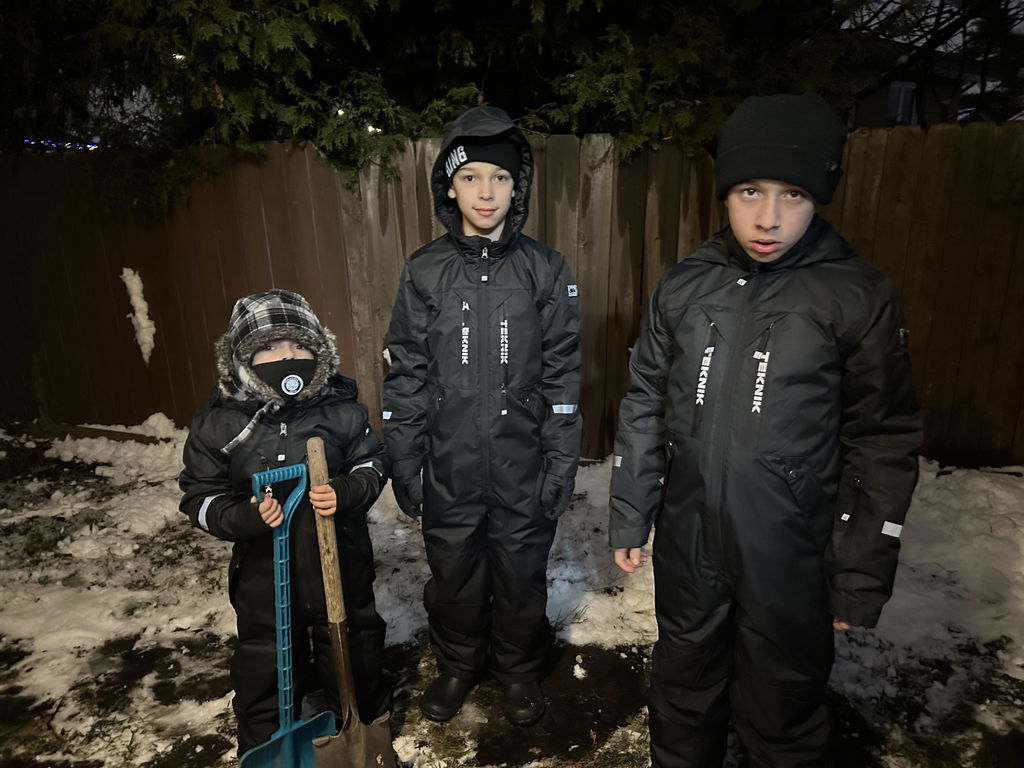
Dressing an infant for winter works best as an adjustable system: comfortable base clothing, an optional insulating layer, and weather-appropriate outerwear. The exact setup should change with temperature, wind, moisture, outdoor time, and whether the baby is in a stroller, carrier, car seat, or actively moving.
Shop Baby Girls Winter Clothing or browse baby boy clothing and Kids’ Snowsuits for winter options.
Start with the Actual Conditions
A quick transfer from home to car is different from an extended stroller walk. Check the weather and wind before choosing layers.
Base Clothing
Choose comfortable clothing in the correct size that does not bunch under additional layers. Read the exact fibre composition and care label.
Mid Layer
Add insulation when needed, while keeping enough room for normal movement and avoiding unnecessary bulk.
Winter Outerwear
For outdoor cold and snow, compare insulation, water protection, wind protection, fit, hood, cuffs, and product-specific temperature guidance when provided.
One-Piece Snowsuits for Infants
A one-piece can reduce gaps around the waist and simplify full-body outdoor coverage. Check the size carefully so sleeves and legs are not excessively long.
See Winter Snowsuits for Babies & Toddlers.
What Should an Infant Wear Under a Snowsuit?
Use layers appropriate for the conditions rather than automatically stacking thick garments.
Read What to Wear Under a Snowsuit for Babies.
Car-Seat Clothing Is Different
Bulky winter clothing can interfere with a car-seat harness. Follow the car-seat manufacturer’s instructions and current child-passenger safety guidance.
Read Can Kids Wear a Snowsuit in a Car Seat?.
Hats and Outdoor Accessories
Choose appropriately sized outdoor hats and accessories for the conditions. Do not treat outdoor winter hats as routine infant sleepwear.
Infant Winter Clothing Checklist
- Check weather and wind.
- Use adjustable layers.
- Choose the correct current size.
- Keep outdoor clothing dry.
- Compare outerwear specifications.
- Handle car-seat clothing separately.
- Adjust the setup when moving indoors.
Shop Infant Winter Clothing
Browse Baby Girls Winter Clothing, Kids’ Snowsuits, and our winter buying guides to compare fit, warmth, and weather protection.
More Baby Winter Guides
For girls’ seasonal outfits, see how to dress a baby girl for winter in Canada. For outdoor headwear, compare winter hats for babies by fit, coverage, and weather conditions.
Canadian Infant Cold-Weather Reference
Infants are among the groups that require extra care in severe cold. Use the Government of Canada’s extreme cold guidance alongside the instructions for your baby’s clothing, stroller, carrier, and car seat. This article focuses on clothing selection, not medical advice.
Infant Winter Clothing by Situation
Stroller
Because the baby is less active, consider exposure time, wind and the complete setup. Adjust clothing when moving into heated indoor spaces.
Baby carrier
The carrier and caregiver’s body can affect the setup. Follow the carrier manufacturer’s instructions and make sure clothing does not interfere with safe positioning.
Car travel
Treat the car-seat harness separately from outdoor warmth. Follow the child-restraint instructions and avoid assuming bulky outdoor clothing is appropriate under the harness.
Infant Snowsuit Fit Check
Check torso length, sleeve and leg length, hood position and whether the baby can move comfortably. Excessively large outerwear can create unnecessary bulk.
Infant Winter Buying Mistakes
- Buying far ahead and guessing winter size.
- Using bulky outdoor wear under a car-seat harness without following instructions.
- Leaving the same layers on after moving indoors.
- Choosing by temperature rating without considering wind and activity.
Before Checkout
- Confirm current size.
- Identify the main outdoor use.
- Review warmth and weather protection.
- Check closures and movement.
- Plan car-seat use separately.
- Read care instructions.