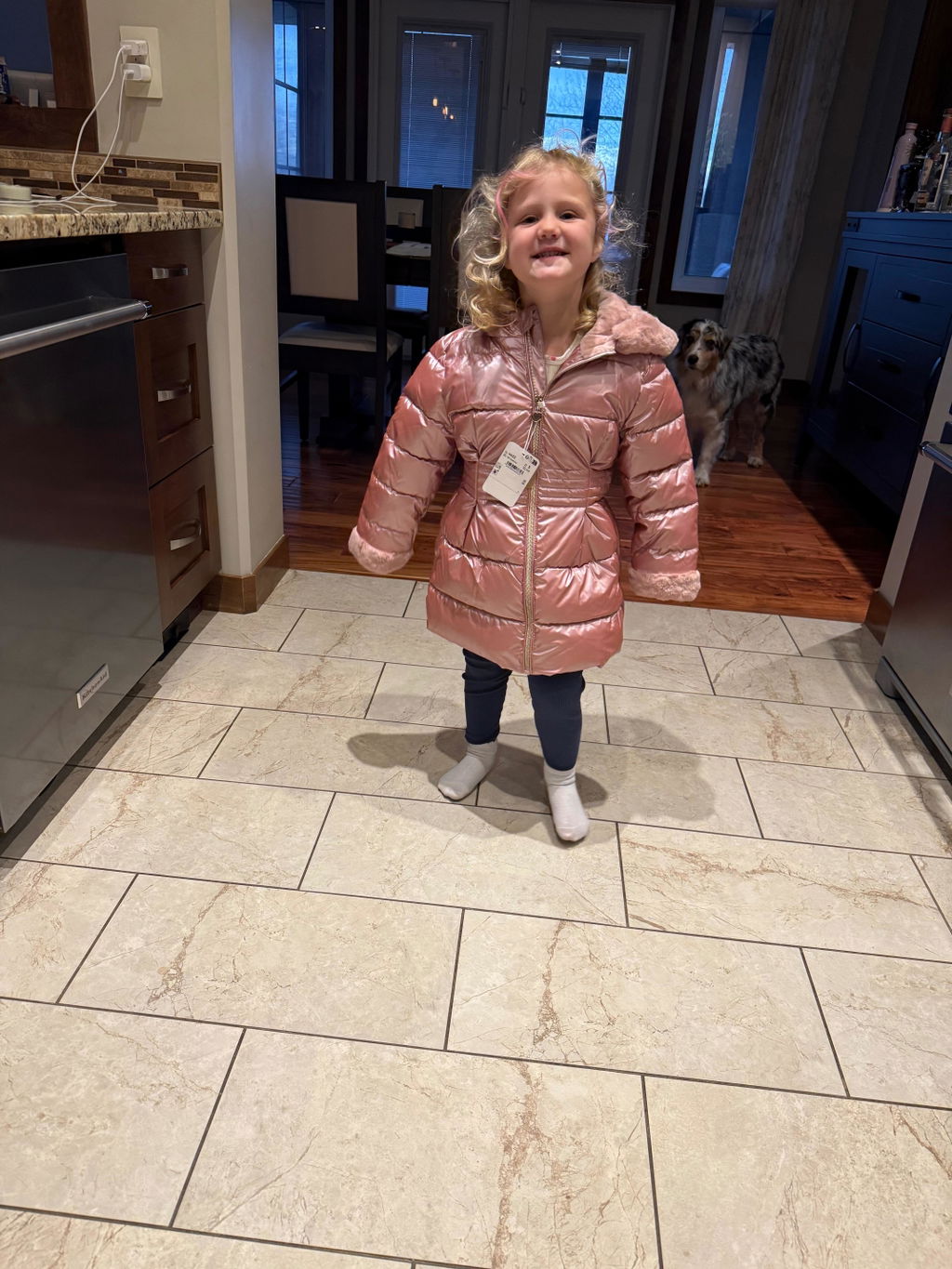
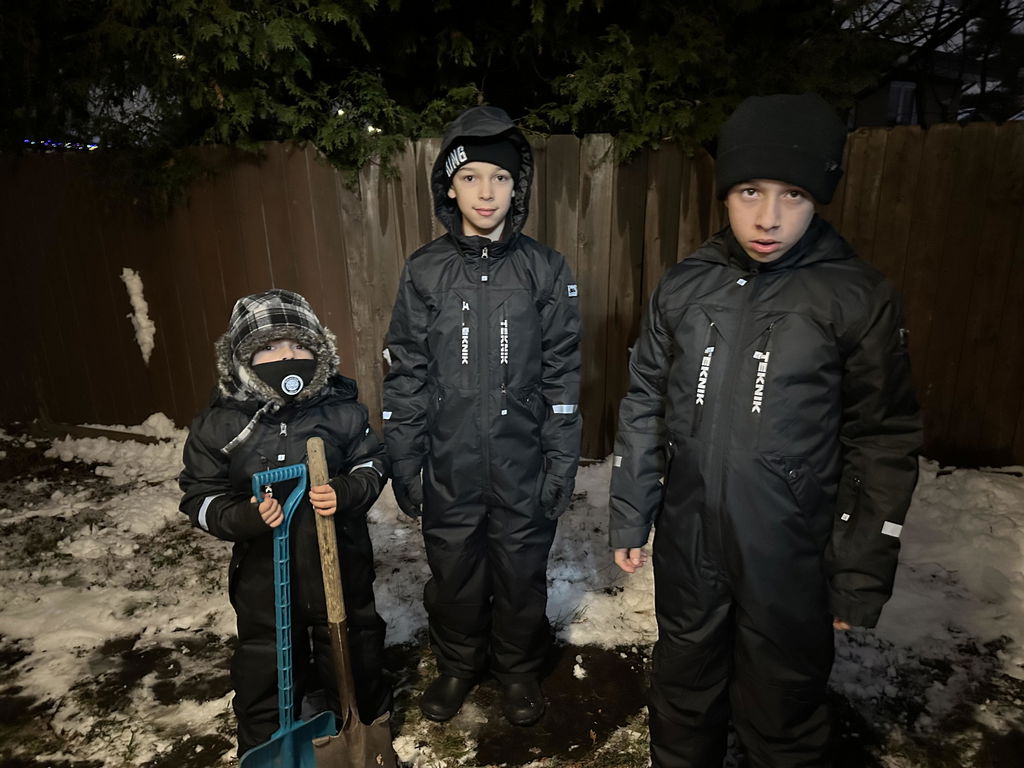
Quick answer: To keep kids warm in winter, dress them in thin, removable layers under a windproof, waterproof outer layer, cover the head, ears, hands, feet and neck, and swap anything wet right away. Check the wind chill before going out, plan warm-up breaks, and bring kids inside early when they shiver or skin turns pale.
This guide is for parents of toddlers and school-age kids, roughly ages 2 to 12, who spend real time outside on cold days: the walk to school, recess, the sledding hill, the bus stop and the slushy afternoon in between. It is organized by situation, so you can jump to the part of the day that gives your family trouble. For babies, start with our infant winter dressing guide (0–12 months). If you are still choosing outerwear for an older child, our snowsuit guide for kids ages 4–14 covers fit, features and sizing.
Shop the gear this guide refers to: kids' snowsuits, kids' mittens and gloves and kids' thermal underwear and base layers.
What actually keeps kids warm on cold days?
Four habits do most of the work: layers you can adjust, a dry child, covered heat-loss points and regular warm-up breaks. A thick coat alone rarely solves the problem, because kids move in bursts, sweat, then stand still and cool down quickly.
Health Canada's extreme cold guidance recommends dressing in layers with a wind-resistant outer layer, removing layers before you start sweating, and changing into dry clothing as soon as possible, because wet clothing makes you lose heat faster. The American Academy of Pediatrics (AAP), on its HealthyChildren.org page about cold weather for children, says several thin layers keep children dry and warm, and that older babies and young children can wear one more layer than an adult would in the same conditions.
The Canadian Paediatric Society (CPS) adds an important balance point in its Caring for Kids winter advice for parents: layers should be easy to put on and take off, and overdressing backfires, because sweat makes children colder once they stop playing.
What does a simple three-layer system look like?
A base layer sits against the skin, a mid layer adds warmth, and an outer layer blocks wind, snow and water. Health Canada notes that synthetic and wool fabrics insulate better, which is why many parents choose a polyester or merino-blend base layer rather than a cotton T-shirt for long outdoor days. We break down every layer, fabric and temperature range in our layering guide for changing weather and our no-sweat formula for what to wear under a snowsuit, so this guide keeps it short.
One example of a base layer built for this job: Deux par Deux lists its boys' two-piece merino blend thermal underwear set in black as a 60% polyester, 40% merino wool knit with a brushed interior, flat seams, ribbed cuffs and elastic-waist pants, and describes the set as moisture-wicking and lightweight for layering, in sizes 2/3 to 12/14.
Does a warmer-rated snowsuit mean fewer layers?
Sometimes, but a temperature rating is a starting point, not a promise. Ratings assume a certain activity level and layering, and wind, wet snow and long stretches of standing still all change how warm a child feels. Our explainer on snowsuit warmth ratings and waterproof-breathable numbers shows how to read them, and our guide to kids' snowsuit brands in Canada compares what different labels list.
Where do kids lose heat first?
The head and ears, the hands, the feet and the neck and face are the places to cover first. The CPS frostbite handout says cheeks, ears, nose, fingers and toes are the areas most commonly affected by frostbite, so these are also the spots to check during breaks.
How should you cover the head and ears?
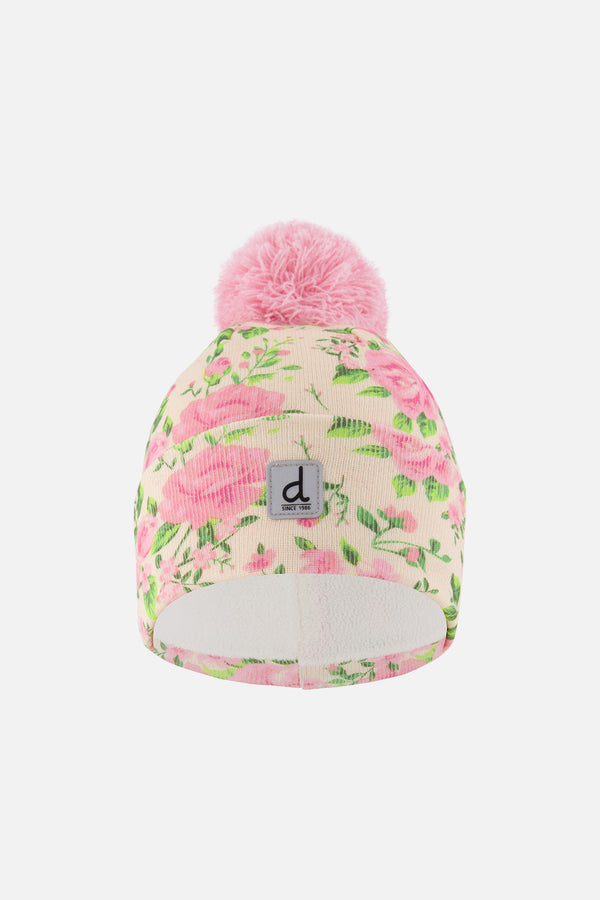
Use a warm hat that covers the ears fully. The CPS frostbite handout for parents recommends a warm hat that covers the ears and notes that ears can be easily frostbitten. A lined toque (beanie) that sits low over the ears works for most days; a hood over the toque adds a wind block when it is blowing hard. Browse kids' winter hats and toques to compare lined and earflap styles.
Are mittens or gloves better for cold hands?
Mittens are usually warmer. The CPS says to choose mittens over gloves in very cold weather because fingers kept together stay warmer. Gloves still have a place for older kids who need finger control, which we compare in detail in mittens vs. gloves for toddlers and kids.
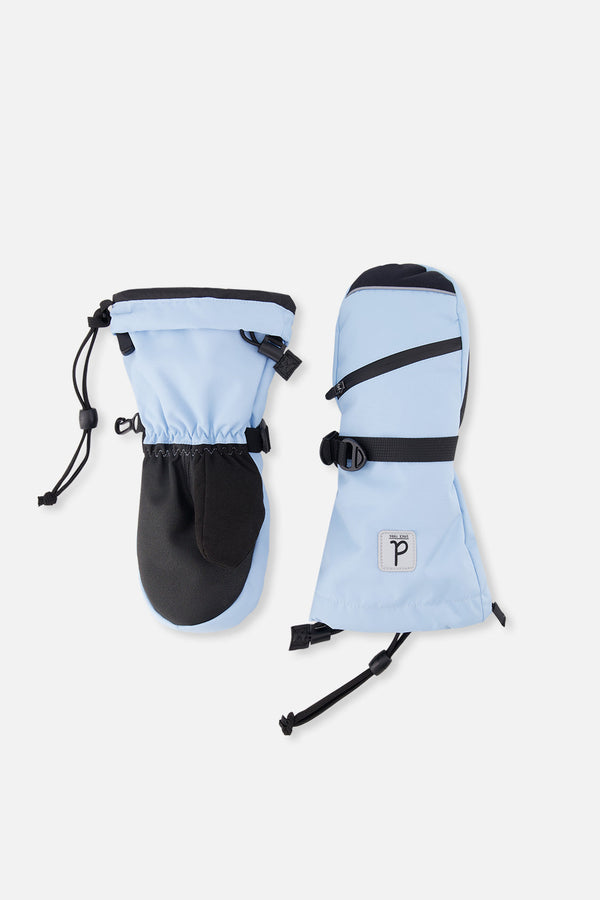
Look for a long cuff that overlaps the jacket sleeve so snow cannot slide in at the wrist. Deux par Deux lists its TEKNIK winter mittens in black with a long gauntlet cuff and drawcord, a fixed brushed microfiber lining, 15,000 mm waterproofing and a cold rating of -30°C (-22°F). For everyday recess, the brand's PLAY winter mittens in sage green list 10,000 mm waterproofing, an elastic wrist with an extended cuff and a clip that joins the pair. A second pair of mitts in the backpack is the simplest fix for soggy hands at lunch recess.
How do you keep feet warm?
Choose waterproof boots with room to wiggle the toes. The CPS recommends warm, waterproof boots roomy enough for an extra pair of socks. Tight boots squeeze out the air that keeps feet warm, so check boot fit with the socks your child will actually wear. Wool-blend or synthetic socks fit Health Canada's advice on insulating fabrics better than thick cotton, and a dry spare pair belongs in every winter bag.
How do you cover the neck and face?
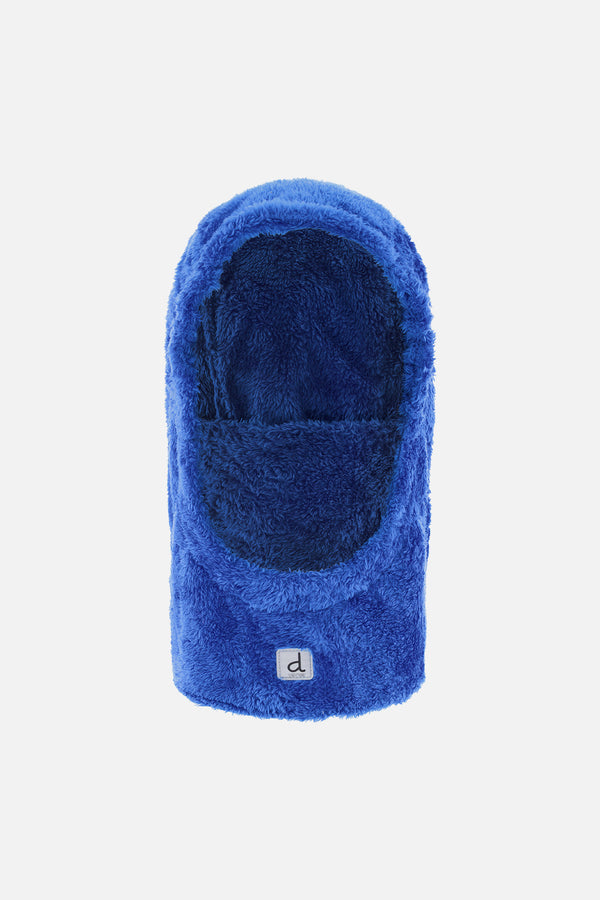
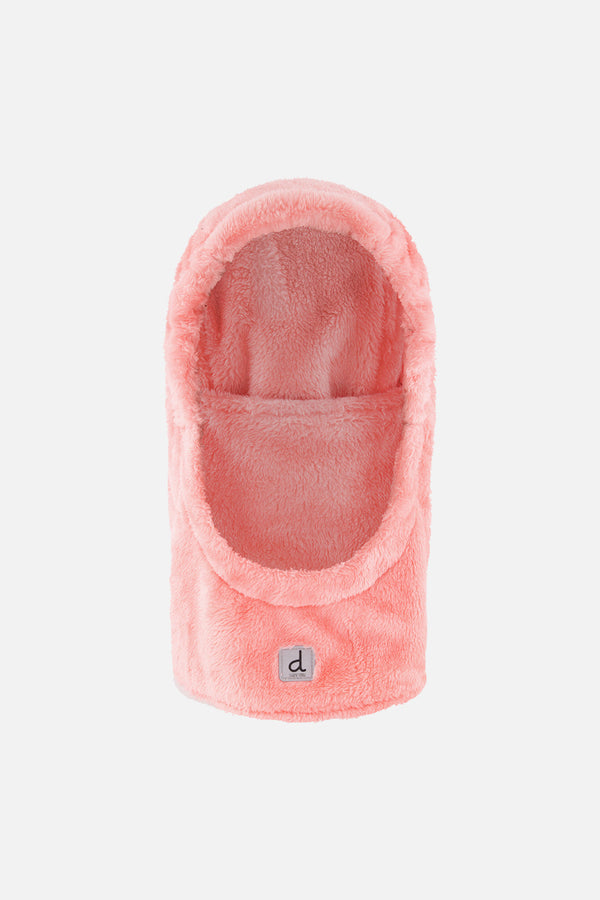
Use a neck warmer instead of a scarf. Both the CPS and Health Canada's winter sports and recreation guidance advise neck warmers rather than scarves and removing drawstrings, because loose ends can catch on play equipment. A neck warmer (neck gaiter) can be pulled up over the nose when the wind picks up. Deux par Deux lists its polar fleece neckwarmer in black in a polyester and elastane blend, sized 2/6 and 7/16. For very cold or windy days, our comparison of balaclavas vs. neck warmers for kids explains when full face coverage makes sense.

How cold is too cold for kids to play outside?
In Canada, the CPS suggests limiting outdoor time when it is -15°C (5°F) or colder and keeping children indoors when the temperature or wind chill is -27°C (-16°F) or lower. The AAP, in its December 2025 winter tips for families, advises avoiding outdoor play when temperatures or wind chills are below -15°F (about -26°C), setting time limits and giving regular indoor breaks.
These are guidelines, not a switch. A dry, well-dressed eight-year-old building a snow fort at -12°C is in a different situation from a toddler who has been standing at a bus stop in wet mittens at -8°C with a strong wind.
How do you read the wind chill?
Wind chill describes how cold the wind makes the air feel on exposed skin, and Environment and Climate Change Canada (ECCC) uses it to describe frostbite risk. ECCC's Wind Chill Index page groups values into risk levels:
| Wind chill | ECCC risk level | What ECCC says | What that means for a family outing |
|---|---|---|---|
| 0 to -9 | Low | Slight increase in discomfort | Normal play with layers and dry mittens |
| -10 to -27 | Moderate | Risk of hypothermia and frostbite during long periods outside without adequate protection | Cover all skin, plan warm-up breaks, shorten long outings |
| -28 to -39 | High | Exposed skin can freeze in 10 to 30 minutes | Short trips only; check faces and fingers often |
| -40 to -47 | Very high | Exposed skin can freeze in 5 to 10 minutes | Essential trips only, fully covered |
| -48 and colder | Severe to extreme | Exposed skin can freeze in 2 to 5 minutes; at -55 and colder, in under 2 minutes, and ECCC calls outdoor conditions hazardous | Stay inside |
ECCC also notes that in sustained winds over 50 km/h, frostbite can happen faster than these times. Check the forecast wind chill, not just the temperature, before deciding how long kids stay out.
How do you keep kids warm in different winter situations?
Match the outfit to how much your child will move and how long they will be still. Active play needs breathable layers you can vent; waiting and walking need more insulation and full coverage.
What should kids wear for school drop-off and recess?
Send outerwear your child can put on, zip and take off without help, plus a full set of hat, mittens and neck warmer. Recess often means a burst of running followed by sitting in a warm classroom, so a lighter mid layer that comes off indoors works better than a heavy sweater. Label everything and pack spare mittens and socks. If you are deciding between a snowsuit and a winter jacket for school, our guide on winter coat or snowsuit for school walks through the trade-offs, and the preschool and elementary snowsuit guide covers waterproof, recess-ready features.
How do you dress kids for outdoor play and sledding?
Dress for the climb up the hill, not the ride down. Kids heat up fast climbing and cool off fast sitting in the snow, so a breathable base layer and a waterproof outer layer matter more than one extra-thick sweater. Parachute, Canada's injury prevention charity, says on its sledding and tobogganing page that children should be dressed warmly in layers, that heat loss is greater in children under three, and that kids should get out of wet clothes and boots quickly afterward. Parachute and Health Canada also recommend kneeling or sitting upright on a sled rather than sliding headfirst, and choosing hills away from roads, trees and fences. For gear and fit for the ski hill and toboggan run, see our guide to snowsuits for ski school and sledding.
How do you keep kids warm while walking or waiting for the bus?
Standing still is when kids get cold. A child waiting ten minutes at a bus stop barely generates heat, so add insulation and cover every bit of skin: hood up over the toque, neck warmer over the chin and mitts tucked under the jacket cuffs. Have kids stand with their backs to the wind and keep moving their hands and feet, which Health Canada recommends to maintain body heat. In the car, the AAP recommends thin, snug layers instead of bulky coats or snowsuits under the harness; our car seat and snowsuit guide explains how.
What should kids wear on wet, slushy days?
Slushy days near 0°C can leave kids colder than you expect, because Health Canada notes that wet clothing makes the body lose heat faster. On these days, waterproofing matters more than insulation: waterproof pants or bibs, waterproof boots and mittens with a coated shell. Some families switch to rain gear once snow turns to puddles; Deux par Deux lists its rain mittens in black with a polyurethane shell, a 10,000 mm rating with welded seams and an extended cuff. Our guide to rain suits vs. snowsuits for slush season explains which one to choose at each temperature.
What should kids wear indoors, at nap time and at bedtime?
Once inside, take off outer layers right away. A child who stays bundled in a warm store, classroom or car starts to sweat, and damp base layers make the next trip outside colder. At home, let wet gear air-dry before the next outing, away from direct heat and according to the care label; our guide to caring for snowsuits and winter jackets covers washing and drying. For naps and bedtime, dress kids in pajamas suited to the room rather than piling on daytime layers, and adjust if they wake up sweaty.
How do you keep kids dry in winter?
Keep snow out at the gaps, vent before sweat builds up, and change anything wet as soon as you can. The AAP says wet clothing raises the risk of hypothermia, and Health Canada says wet clothing makes you lose heat faster.
- Close the gaps. Tuck mitten cuffs over or under jacket sleeves consistently, pull snow pant cuffs over boots, and use boot gaiters if your child's pants have them.
- Choose the right outer layer. A waterproof, breathable shell keeps snow out while letting some moisture escape. One-piece suits close the waist gap for younger kids, while two-piece sets suit older kids who move between recess and class; our one-piece vs. two-piece snowsuit comparison covers the details.
- Vent early. Open a zipper or remove the mid layer before your child gets sweaty, as Health Canada advises, then close up again during breaks.
- Swap wet items immediately. The CPS says to remove wet clothing and boots right after playing. Pack spare socks and mittens in a zip bag.

Do food, water and breaks help kids stay warm?
Yes. Regular breaks give you a chance to check skin and swap wet gear, and fluids matter more in cold weather than many parents expect. AboutKidsHealth, from The Hospital for Sick Children (SickKids), says on its cold weather injuries page that dehydration can happen quickly in the cold, and recommends having children drink before going out and sip warm fluids, or plain water, even when they are not thirsty. It also recommends scheduled warm-up breaks and bringing children inside when they shiver.
The CPS says younger children need regular breaks and a warm drink indoors, and suggests choosing play areas with a warm shelter nearby. In practice, a snack and a warm drink at each scheduled break on a long outing gives kids a natural reason to come in, take off mittens and let you look at their cheeks, ears and fingers.
What are the warning signs of frostbite and hypothermia in kids?
Pale, gray or white skin, numbness and constant shivering are signs to go inside now. Young children may not tell you they are cold, so check them yourself.
What does frostnip or frostbite look like?
The CPS describes frostnip as skin that turns red and feels numb or tingly; it can be treated at home by rewarming. Frostbite progresses in stages: the skin becomes red and swollen and stings or burns, then tingles and turns gray, and if it freezes it loses all feeling and looks shiny and white. The AAP says frostbitten skin on the fingers, toes, ears or nose may look pale, gray or blistered, and a child may say it burns or feels numb.
First steps from the CPS and AAP: bring the child inside, gently remove wet or covering clothing, rewarm the area slowly with warm (not hot) water or by covering it with your hand, and never rub or massage frostbitten skin. The CPS says to seek medical advice immediately if your child's skin is white, waxy or numb, and the AAP advises calling a doctor if numbness lasts more than a few minutes.
What are the signs of hypothermia?
Hypothermia is a drop in core body temperature. The AAP lists shivering, lethargy, clumsiness and slurred speech as signs; Health Canada adds that later stages can include strong or stopped shivering, confusion, pale skin and blue lips or fingers; and AboutKidsHealth notes it is more common in small children. AboutKidsHealth also notes that shivering stops as hypothermia becomes severe, so a cold child who stops shivering is not improving. The AAP says to call 911 right away for suspected hypothermia, bring the child indoors, remove wet clothing and wrap them in blankets or warm clothes.
Medical disclaimer: This guide is general information for parents, not medical advice. If you think your child has frostbite or hypothermia, contact a health care provider, or call 911 or your local emergency number in an emergency.
How can you tell if a child is too cold or too hot?
Check hands, feet and behavior, not just what your child says. The CPS says hands and feet that feel warm are a good sign the clothing is working. Watch for these signals:
- Too cold: shivering, red or pale cheeks and ears, cold hands inside mittens, a child who suddenly gets quiet, clumsy or whiny, or a toddler who wants to be carried.
- Too warm: a damp neck or back, flushed face, unzipped jacket, or a child pulling off a hat. Remove a layer before sweat soaks the base layer.
- Just right: warm hands and feet, normal energy and a dry base layer when you check under the jacket.
AboutKidsHealth recommends asking children whether they are cold and using a buddy system for older kids and teens. Teach school-age kids a simple rule: if your fingers or toes hurt or go numb, tell an adult and go inside.
What should you pack for a cold day out?
Pack spares of the items that get wet first, plus something warm to drink. Use this checklist for school bags, day trips and the sledding hill:
| Item | Why it helps |
|---|---|
| Spare mittens or mitts | Hands get wet first; the CPS says to remove wet clothing right after playing |
| Spare socks | Dry feet stay warmer; boots need room for an extra pair (CPS) |
| Neck warmer | Covers neck and face without loose ends (CPS, Health Canada) |
| Extra base layer top | For kids who sweat on the way to the hill |
| Insulated bottle of warm drink or water | AboutKidsHealth recommends sipping fluids even without thirst |
| Snack | A reason for a warm-up break and a skin check |
| Sunglasses or goggles, lip balm, sunscreen | Health Canada recommends skin and eye protection from winter sun and snow glare |
| Plastic bag | Keeps wet gear away from dry clothes on the way home |
What winter mistakes leave kids cold?
Beyond the layering basics above, three mistakes come up again and again:
- Tight boots or two thick pairs of socks. Toes need wiggle room to stay warm.
- Waiting for kids to say they are cold. The CPS notes babies and toddlers cannot always tell you; check skin and behavior yourself.
- Last year's gear. Outgrown mittens, boots and snow pants leave gaps and pinch circulation. Measure before you shop, using our snowsuit sizing guide.
Ready to fill the gaps? Compare girls' snowsuits and boys' snowsuits, then add mittens, a toque and a neck warmer so every heat-loss point is covered.
Frequently asked questions about keeping kids warm in winter
How cold is too cold for kids to play outside?
The Canadian Paediatric Society suggests limiting outdoor time at -15°C (5°F) or colder and keeping children indoors when the temperature or wind chill is -27°C (-16°F) or lower. The AAP advises avoiding outdoor play when temperatures or wind chills are below -15°F. Always check the wind chill, not just the temperature.
How many layers should a child wear in winter?
Most kids do well with three layers: a base layer against the skin, a warm mid layer and a windproof, waterproof outer layer. The AAP says young children can wear one more layer than an adult in the same conditions. Remove a layer before your child starts sweating.
Are mittens warmer than gloves for kids?
Usually, yes. The Canadian Paediatric Society recommends mittens over gloves in very cold weather because fingers kept together stay warmer. Gloves can suit older kids who need finger control for activities like skiing or building snow forts.
How can I tell if my child is too cold?
Look for shivering, pale or red cheeks and ears, cold hands inside mittens, and a child who becomes quiet, clumsy or cranky. The Canadian Paediatric Society says hands and feet that feel warm are a good sign the clothing is working.
What are the first signs of frostbite in children?
The Canadian Paediatric Society says frostnip makes skin red and numb or tingly. Frostbite can make skin red, swollen and stinging, then gray, and frozen skin looks shiny and white with no feeling. Seek medical advice right away if skin is white, waxy or numb.
Should kids wear a scarf or a neck warmer?
A neck warmer is the better choice for kids. The Canadian Paediatric Society and Health Canada both recommend neck warmers instead of scarves, and removing drawstrings, because loose ends can catch on play equipment.
How do I keep my child's feet warm and dry?
Choose warm, waterproof boots with enough room for an extra pair of socks and for wiggling toes, as the Canadian Paediatric Society recommends. Pull snow pant cuffs over the boots, pack spare socks, and change wet socks and boots as soon as possible.
Sources
- Health Canada — Extreme cold
- Health Canada — Winter sports and recreation
- Canadian Paediatric Society, Caring for Kids — Winter advice for parents and kids
- Canadian Paediatric Society, Caring for Kids — Frostbite
- American Academy of Pediatrics, HealthyChildren.org — Cold weather: preventing frostbite and hypothermia
- American Academy of Pediatrics — Winter tips for families (December 18, 2025)
- Environment and Climate Change Canada — Wind chill and the Wind Chill Index
- AboutKidsHealth (SickKids) — Cold weather injuries
- Parachute — Sledding and tobogganing