Quick answer: Dress an infant for winter by situation, not by habit. Outdoors, use several thin layers, a warm hat that covers the ears, mittens and a wind-resistant outer layer, with one more layer than you wear. Indoors, take outerwear and hats off. For sleep, use a fitted sleeper or sleep sack, with no hat or loose blankets.
In one winter morning, an infant can go from a warm apartment to a windy sidewalk, into a heated store and down for a nap. Each moment calls for a different outfit. This guide for babies from birth to 12 months covers what to buy, how to dress by situation and how to tell if your baby is too cold or too hot, using guidance from the Canadian Paediatric Society (CPS), the American Academy of Pediatrics (AAP), the Government of Canada, Environment and Climate Change Canada (ECCC) and Parachute.
What this guide covers
- A winter clothing checklist for infants, with suggested starting quantities
- How to dress your baby indoors, in a stroller, in a carrier, on errands, at daycare and for sleep
- How wind chill changes outdoor time
- Signs that your baby is too cold or too hot
- Fit checks for infant snowsuits and winter accessories
- Common winter dressing mistakes
This article is general information, not medical advice. If you think your baby has frostbite, hypothermia or seems unwell, contact your doctor, call 911 or get emergency care, as the sources below advise.
Why Do Infants Need Extra Care in the Cold?
Babies can't tell you when they're cold. The Canadian Paediatric Society says babies need extra bundling because they can't generate much body heat or tell you they're cold. The CPS frostbite handout adds that babies and toddlers are at higher risk of frostbite because they move less.
The Government of Canada lists infants under 1 year among the groups at higher risk in extreme cold. Parachute notes that children under 3 lose more heat because their heads are large relative to their bodies (Parachute, Winter outdoor safety).
Too much warmth is also a problem, especially during sleep: the CPS says overheating increases a baby's risk of SIDS. The goal is warm, dry and adjusted to where your baby is right now.
What Does an Infant Need for a Canadian Winter?
Most infants need a short list of outdoor pieces plus enough indoor basics to cover laundry days. These quantities are a starting point; adjust for laundry habits, outdoor time and daycare.
| Item | Starting quantity | What it's for |
|---|---|---|
| Snowsuit (one-piece) or bunting suit | 1 | Outer layer for walks and outdoor time |
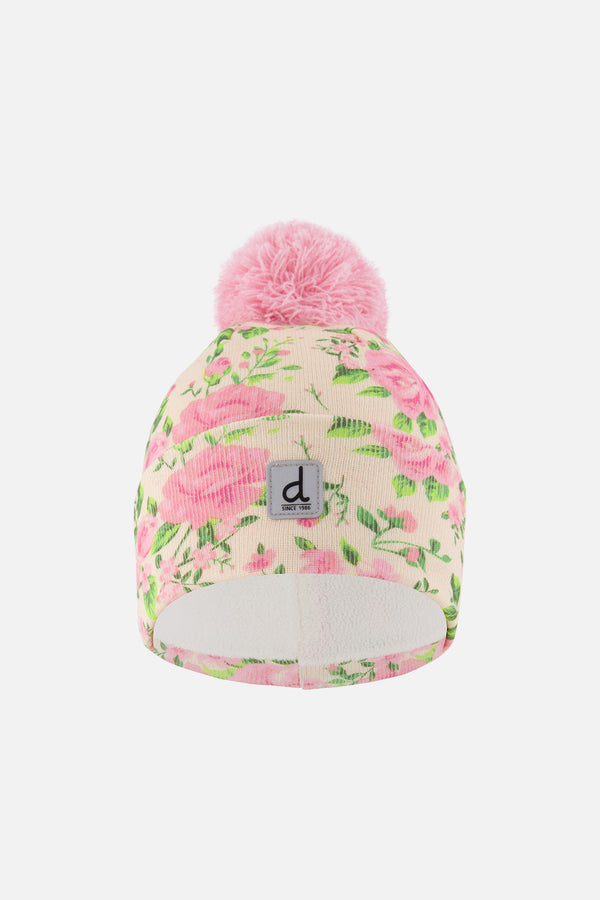
| Warm hat or toque that covers the ears | 1–2 | Outdoor use only |
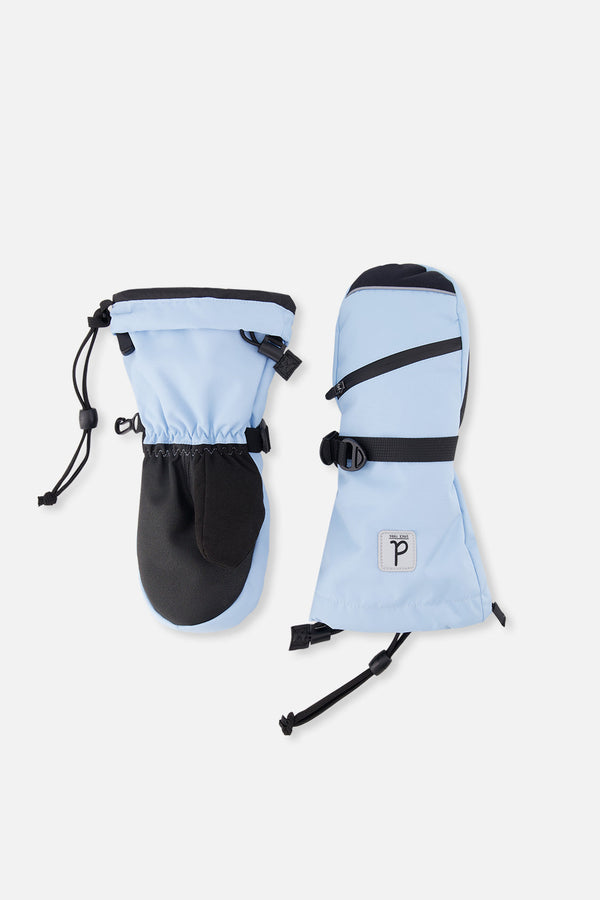
| Mittens | 2 pairs | One pair to wear, one spare for when a pair gets wet |
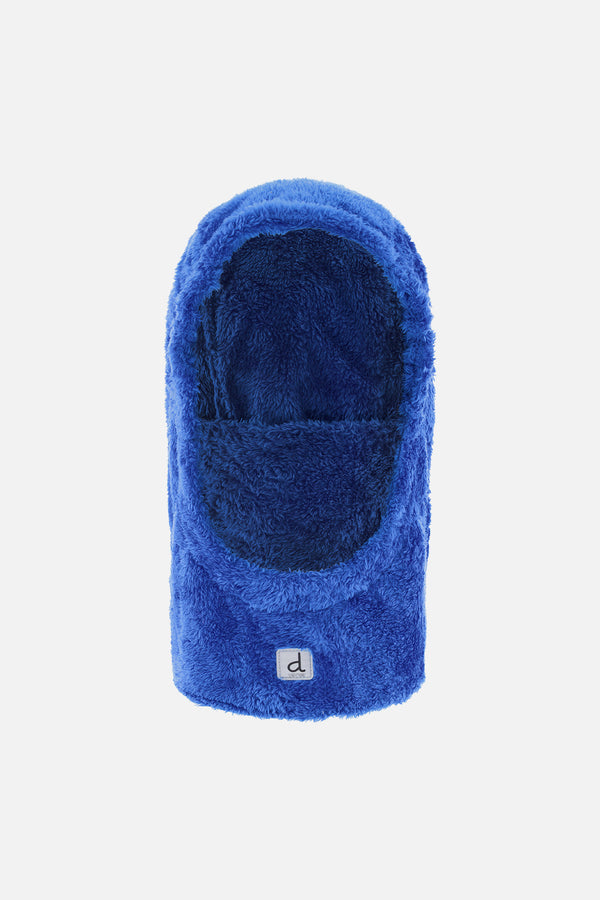
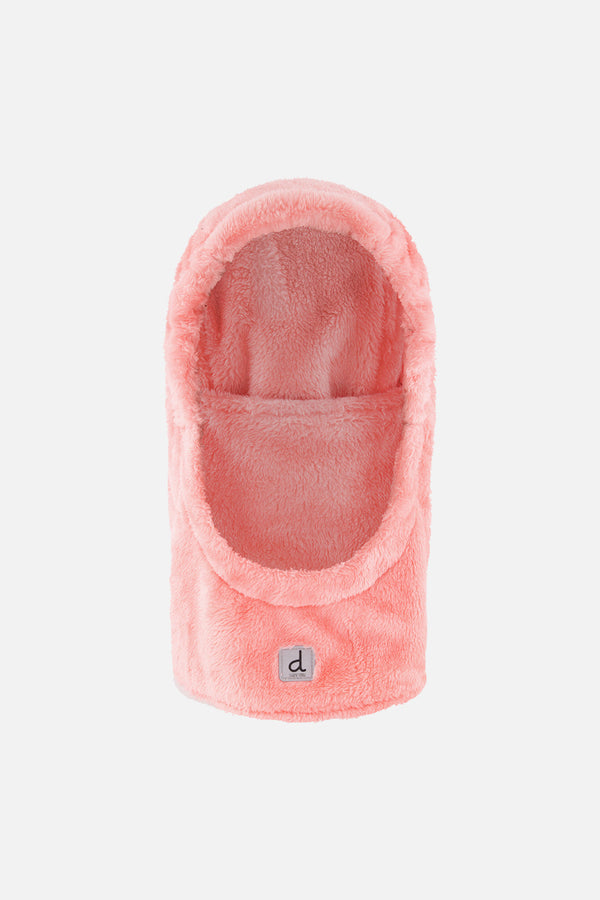
| Neck warmer | 1 | Covers the neck without a loose scarf |
| Warm socks or booties | 4–6 pairs | Under the snowsuit and around the house |
| Long-sleeved bodysuits | 6–8 | Base layer |
| Pants or leggings | 4–6 | Base layer for the legs |
| Fleece or knit mid-layer (sweater, cardigan or one-piece) | 2–3 | Extra warmth outdoors, easy to remove indoors |
| One-piece sleepers | 5–7 | Nights and naps |
| Sleep sacks (wearable blankets) in the right size | 2–3 | Replace loose blankets in the crib |
These are Jenni Kidz suggestions, not official guidance.
Why spares and a neck warmer? The AAP's winter travel tips suggest keeping spare mittens handy because wet mittens make a child colder. The CPS recommends a neck warmer instead of a scarf and mitten clips for younger children, and advises avoiding drawstrings that can catch on equipment.
Buy outerwear close to when you need it. A snowsuit bought months ahead in a guessed size often fits poorly when the cold arrives.
Ready to fill the gaps? Browse baby girls' winter clothing and baby boys' winter clothing (0–36 months), or go straight to baby girls' snowsuits and baby boys' snowsuits, or browse all one-piece snowsuits.
How Should You Layer an Infant for Winter?
Use several thin layers rather than one thick one, and add one more layer than you're wearing. The AAP's cold weather guide says several thin layers keep children drier and warmer, that warm boots, mittens and a hat are always needed in cold weather, and that older babies and young children should wear one more layer than an adult in the same conditions.
A simple infant setup has three parts:
- Base layer: a long-sleeved bodysuit and pants or leggings that fit close without being tight.
- Mid layer: a fleece, knit sweater or warm one-piece, added only when the weather calls for it.
- Outer layer: a snowsuit or bunting suit that blocks wind and wet snow, plus a hat, mittens and booties.
The Government of Canada recommends a wind-resistant outer layer and removing layers before sweating starts. For exactly what goes under the outer layer, see what to wear under a snowsuit for babies. For outfit ideas by outdoor temperature, read how to dress a baby for outside at every temperature.
Should an Infant Wear a One-Piece or Two-Piece Snowsuit?
For babies under 12 months, a one-piece snowsuit (snow suit) or bunting is the usual choice, because it covers the body without a gap at the waist and goes on in one step. Two-piece sets make more sense once children walk, crawl through snow and need separate pants. For a full comparison, read one-piece vs. two-piece snowsuits.
How Do You Dress an Infant in Each Winter Situation?
How should you dress a baby indoors at home in winter?
Indoors, dress your baby in normal indoor clothing and take off outerwear and hats. The Public Health Agency of Canada's Dressing your baby for sleep page says to remove outerwear such as snowsuits and jackets once indoors, and that babies don't need hats indoors because hats can make them too hot. The AAP also advises against putting a hat on a baby indoors after the first hours after birth.
For room temperature, the CPS gives a simple test: if the room feels comfortable to you, it should be comfortable for your baby. A bodysuit, pants and socks, plus a light sweater if your home runs cool, usually works.
How do you dress an infant for a winter stroller walk?
For a stroller walk, add warmth and wind protection, because your baby is sitting still while you're moving. Start with the base layer, add a mid layer if it's cold, then a snowsuit, a hat that covers the ears, mittens and booties. The CPS frostbite handout recommends covering as much skin as possible in the cold and choosing mittens over gloves so fingers can share warmth.
Check your baby often during the walk. The CPS recommends checking frequently that children are warm and dry, and the Government of Canada advises changing out of wet clothing as soon as possible. If your baby falls asleep in the stroller, the AAP says to move them to a firm, flat sleep surface as soon as you can, and the Public Health Agency of Canada advises taking off outerwear once you're inside.

How should you dress a baby in a carrier in winter?
In a carrier, your body adds warmth, so dress your baby in fewer layers than you would for the stroller and watch closely for overheating. The CPS Safe sleep for babies handout says that in a sling or carrier, your baby's face should be visible and not pressed against your body, clothing or the carrier, and that you should watch for overheating.
In practice: a base layer, a light warm layer that doesn't change how your baby sits, and a hat, mittens and booties for exposed parts. Follow the carrier maker's cold-weather instructions, and keep collars and covers away from your baby's face.
What should a baby wear for quick errands and transfers?
Dress your baby in base and mid layers at home, add the snowsuit, hat and mittens just before you step out, and unzip or remove the outer layer once you're inside the store so your baby doesn't overheat.
The car is its own situation: the AAP says bulky coats and snowsuits should not be worn under a car seat harness, so read our guide to winter coats and car travel before your first cold-weather drive.
How do you dress an infant for daycare drop-off in winter?
Dress your baby for the trip and pack for the day: a snowsuit over regular clothes for drop-off, plus spare clothes, a second pair of mittens and extra socks, because the CPS advises removing wet clothing and boots right away.
Choose winter accessories with practical closures. The CPS suggests Velcro or snaps rather than drawstrings for younger children, a neck warmer instead of a scarf, and mitten clips. Parachute also recommends tube-style neck warmers and avoiding hood and jacket drawstrings. Label everything.
How should you dress a baby for naps and night sleep in winter?
For sleep, use a fitted one-piece sleeper or a sleep sack, with no hat, no loose blankets and nothing else in the crib. The CPS says to place your baby on their back for every sleep, on a firm, flat mattress with a fitted sheet, and to keep out blankets, pillows, bumper pads and toys. The CPS also says babies don't need blankets to sleep, because blankets can cause overheating or suffocation.
What the guidance says about dressing for sleep:
- Layers: The AAP's sleep guidance says to dress your baby in no more than one layer more than an adult would wear, and that layers of clothing are better than extra blankets.
- Hats and hoods: The CPS says to remove hats, bibs and items with ties or hoods before putting your baby down. The Public Health Agency of Canada notes that daywear features like hoods and straps can be hazardous during sleep, so outdoor clothing comes off before naps.
- Sleep sacks: The Public Health Agency of Canada says that if you use a sleep sack, you don't need a blanket. Choose the right size, because an oversized sack lets babies slip down and an undersized one restricts hip and leg movement. Pick a weight suited to the room, with lighter options for warm rooms.
- Weighted products: Both the AAP and the Public Health Agency of Canada say not to use weighted sleep sacks, swaddles or blankets.
- Room temperature: Keep it comfortable, and watch for sweating or a hot chest (AAP).
If you're stocking up for winter nights, Deux par Deux lists its plush sleep sack in off-white and plush sleep sack in sky blue as sleeveless wearable blankets with a polyester plush outer, a cotton lining and a full-length zipper, for newborns to 36 months. See all baby sleep sacks, and read what baby pajamas are best for cold weather for sleepwear ideas.
How Does Wind Chill Change Infant Outings?
The CPS says to consider keeping children indoors when the temperature or wind chill is -27°C (-16°F) or lower, and Parachute advises children stay indoors when the temperature or wind chill drops below -25°C (-13°F). Environment and Climate Change Canada's Wind Chill Index says frostbite risk increases rapidly when wind chill values go below -27.
For infants, plan shorter outings on cold days with regular warm-up breaks, and stay near a warm shelter, as the CPS suggests for young children. For what to wear at each temperature, see our baby outdoor temperature guide.
How Can You Tell If Your Baby Is Too Cold or Too Hot?
Check your baby's body, not just their hands and feet. The CPS says that if a child's hands and feet are warm, their clothing is usually adequate, and that overdressing can cause sweating, which makes children colder when they stop moving.
Signs your baby may be too warm, according to the AAP, include sweating or a chest that feels hot to the touch. If you notice either, remove a layer or open the snowsuit, especially once you're indoors.
Signs your baby may be getting too cold include skin that looks red and feels numb or tingly, which the CPS describes as frostnip, or skin that looks yellowish or white, as the Government of Canada describes mild frostbite (frostnip), and shivering, which the AAP lists as a sign of hypothermia. If your baby's clothes are wet, change them right away, because the Government of Canada notes wet clothing makes you lose heat faster.
On outings, look at exposed skin often in very cold or windy weather, feel inside mittens for dampness, and once indoors check your baby's chest for heat or sweat before unzipping or removing the outer layer.
What Are the Signs of Frostbite and Hypothermia in Babies?
Frostbite usually affects fingers, toes, ears and the nose (AAP); hypothermia means body temperature keeps dropping. Both need quick action.
Frostbite and frostnip
The CPS describes frostnip as skin that looks red and feels numb or tingly. Early frostbite causes redness and swelling, and if the skin freezes it becomes shiny and white with no feeling (CPS). The AAP adds that frostbitten skin may look pale, gray and blistered.
What the sources advise:
- Bring your baby indoors and gently remove clothing covering the area, then dress them in dry, warm clothing (CPS).
- Warm the area slowly with warm, not hot, water. The AAP gives about 104°F (40°C) as a guide.
- Do not rub or massage frostbitten skin (CPS, AAP).
- Get medical advice right away if the skin is white, waxy or numb (CPS). The AAP says to call a doctor if numbness continues for more than a few minutes.
Hypothermia
The AAP says hypothermia can develop faster in children than in adults, especially when clothing gets wet, and lists signs such as shivering, lethargy and clumsiness. If you suspect hypothermia, the AAP says to call 911 right away, bring your baby indoors, remove wet clothing and wrap them in blankets or warm clothes until help arrives.

How Should Infant Snowsuits and Winter Outerwear Fit?
An infant snowsuit should fit your baby now, with room to move and no extra length. Fit checks:
- Hands and feet: Your baby's hands reach the cuffs and their feet reach the ends of the legs or attached booties, without long, empty sleeves or legs.
- Movement: Your baby can bend their knees and lift their arms without the suit pulling tight across the back.
- Hood and face: The hood sits around the face without falling over the eyes, and the neck area doesn't ride up over the mouth and nose.
- Closures: Zippers open far enough to get your baby in and out easily, and there are no hood or jacket drawstrings (Parachute).
- Hat and mittens: The hat covers the ears, and mittens stay on.
Read each product's sizing notes. For example, Deux par Deux lists the Baby Original one-piece puffy snowsuit in black in sizes 6 months to 30 months/2T, with removable fleece-lined mittens and booties and a neckwarmer included. The brand lists stretch cuffs, an internal adjustable waist, adjustable stirrups and ankle snow gaiters, and notes that the suit fits generously, so sizing up is not recommended. Deux par Deux rates it to -30°C (-22°F); a rating describes the suit, not your baby, so keep checking your baby in the cold.
For a deeper look at choosing a snowsuit, start with our guide to winter snowsuits for babies and toddlers, then compare labels in the best kids' snowsuit brands in Canada.
What Winter Dressing Mistakes Should You Avoid?
- Leaving outerwear on indoors. A baby who was comfortable outside can overheat fast in a heated store or home. The Public Health Agency of Canada advises removing outerwear once indoors.
- Letting a hat stay on for naps. The CPS advises removing hats before sleep, and the AAP and the Public Health Agency of Canada advise against hats indoors.
- Adding blankets to the crib on cold nights. Use a sleeper or a correctly sized sleep sack instead (CPS, AAP).
- Ignoring wind chill. ECCC notes frostbite risk rises rapidly below a wind chill of -27.
- Keeping wet mittens or socks on. Change them right away, as the CPS advises.
- Using a scarf or drawstrings on a baby. The CPS and Parachute recommend a neck warmer and no drawstrings.
Where Can You Shop Infant Winter Clothing?
Start with the collection that matches your gap:
- Kids' winter hats and toques and kids' gloves and mittens
- Baby girls' winter accessories and baby boys' winter accessories
- Baby sleep sacks for winter nights
For more on hats, read winter hats for infants and whether a newborn needs to wear a hat. For girls' outfit ideas, see how to dress a baby girl for winter in Canada.
Frequently Asked Questions
How many layers should an infant wear in winter?
Outdoors, the AAP suggests one more layer than an adult would wear in the same conditions, using several thin layers rather than one thick one. Indoors, dress your baby in normal indoor clothing and take off outerwear and hats.
What should an infant wear for a winter stroller walk?
Start with a base layer, add a mid layer if it's cold, then a snowsuit, a hat that covers the ears, mittens and booties. The CPS recommends checking often that children are warm and dry.
Should my baby wear a hat indoors or while sleeping?
No. The Public Health Agency of Canada says babies don't need hats indoors because a hat can make them too hot, and the AAP advises against hats on babies indoors after the first hours after birth. The CPS advises removing hats before putting your baby down to sleep.
Can my baby nap in a snowsuit?
No. Take outerwear off once you're indoors, as the Public Health Agency of Canada advises. If your baby falls asleep in a stroller or carrier, the AAP says to move them to a firm, flat sleep surface as soon as possible.
Is a sleep sack better than a blanket in winter?
Yes. The CPS says babies don't need blankets to sleep, and the AAP suggests a wearable blanket or warm sleeper instead of loose blankets. Choose a sleep sack in the right size and a weight suited to the room.
How do I know if my baby is too hot?
The AAP lists sweating or a chest that feels hot to the touch as signs a baby is too warm. Remove a layer, open the snowsuit or move to a cooler spot, and check again after a few minutes.
Should my baby wear mittens or gloves in winter?
Mittens. The CPS recommends mittens over gloves in very cold weather so fingers can share warmth. Pack a spare pair, because wet mittens make a child colder.
When should I call a doctor about cold exposure?
The CPS says to get medical advice right away if skin is white, waxy or numb. The AAP says to call a doctor if numbness lasts more than a few minutes, and to call 911 right away if you suspect hypothermia.
Bottom Line
Dress your infant in thin layers plus one more than you wear outside, take outerwear and hats off indoors, and keep sleep simple with a sleeper or sleep sack in an empty crib. Watch the wind chill, check your baby often and change anything wet.
Sources
- Canadian Paediatric Society, Caring for Kids: Winter safety: Advice for parents and kids (last updated February 2023)
- Canadian Paediatric Society, Caring for Kids: Frostbite (last updated February 2023)
- Canadian Paediatric Society, Caring for Kids: Safe sleep for babies (last updated October 2021)
- American Academy of Pediatrics, HealthyChildren.org: Cold Weather Safety for Children (last updated January 2023)
- American Academy of Pediatrics, HealthyChildren.org: Safe Sleep: 9 Ways to Reduce a Baby's Risk of SIDS & Suffocation (last updated April 2026)
- American Academy of Pediatrics, HealthyChildren.org: Winter Car Seat Safety Tips: Keeping Kids Safe & Warm (last updated February 2025)
- Government of Canada (Health Canada): Extreme cold (modified October 2021)
- Public Health Agency of Canada: Dressing your baby for sleep (modified April 2025)
- Environment and Climate Change Canada: Canada's Wind Chill Index
- Parachute: Winter outdoor safety