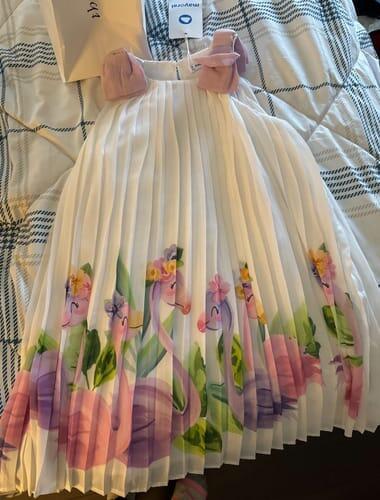
Special occasion clothing for babies and kids should look polished without making the child uncomfortable for hours. Weddings, birthdays, holidays, family photos, graduations, christenings and other celebrations all create different dress needs, so the strongest outfit choice starts with the event, weather, age, fit and how long the child will actually wear the clothes.
For current shopping, start with Girls Dresses, Boys Clothes, Baby Girls Dresses or Baby Boy Clothes, then narrow by size, season and occasion.
How to Choose a Special Occasion Outfit for Kids
Start with the event requirements. A formal wedding may call for a more polished outfit than a casual birthday lunch, while a holiday party may allow seasonal color and playful details.
Comfort Comes Before Styling
Children sit, move, eat and play during events. Avoid stiff, scratchy or restrictive clothing that looks good for a photo but becomes difficult to wear for the rest of the day.
Check the Exact Size Close to the Event
Children grow quickly, so buying too far ahead creates fit risk. Use the current brand size chart and the child’s measurements instead of relying on age alone.
Choose Fabric for the Venue and Weather
Lightweight fabrics can work well for warm indoor venues and summer events, while knits and layers can be useful in cooler settings. The finished garment construction matters more than a broad fiber label.
Look at Lining and Interior Seams
Formal pieces can include embroidery, tulle, sequins, structured waistbands or decorative trims. Check whether the inside of the garment remains comfortable against the child’s skin.
Plan for Diaper Changes and Bathroom Breaks
Baby and toddler occasion outfits should be practical to remove or open. Complicated closures can become frustrating during long events.
Choose Shoes After the Outfit
Footwear should suit the venue and the child’s ability to walk comfortably. Avoid forcing an unfamiliar shoe simply because it looks more formal.
Wedding Guest Outfits for Girls
Dresses are a natural starting point for many weddings, but jumpsuits, skirts and coordinated separates can also work. Browse Girls Dresses for current options and choose the level of formality to match the invitation.
Wedding Guest Outfits for Boys
Chinos, polished pants, button-style tops, sweaters and jackets can create a wedding-ready look without requiring a rigid suit. Browse Boys Clothes to build an outfit that works for the venue and season.
Wedding Outfits for Baby Girls
For babies, soft construction and diaper access matter. Browse Baby Girls Dresses when a dress is appropriate, but make sure the baby can still move and be changed easily.
Wedding Outfits for Baby Boys
A coordinated set, one-piece outfit or simple shirt-and-bottom combination can look polished without adding unnecessary layers. Use Baby Boy Clothes as the broad shopping starting point.
Birthday Party Outfits
Birthday clothing can be more playful than formal wedding wear. Choose a standout color, print or dressy detail while keeping enough comfort for play, food and movement.
First Birthday Outfits
First birthdays often include photos, cake and crawling or early walking. Choose an outfit that can handle movement and consider a backup in case of spills.
Holiday Party Outfits
Holiday outfits can use seasonal colors, knits, dresses and coordinated sets. Try to select pieces that can be worn again after the event rather than only once.
Christmas Outfits
Red, green, navy, cream, metallic accents and winter prints can create a festive look, but there is no requirement to use traditional colors. Fit and comfort still matter more than the theme.
Family Photo Outfits
Coordinate the family through a shared color palette rather than identical clothing. Mixing related colors and textures usually creates a more natural result.
Christening or Baptism Outfits
Some families prefer traditional white or light colors, while others choose a polished outfit that reflects family style. Consider ceremony length, venue temperature and any specific religious or family expectations.
Graduation and School Ceremony Outfits
Choose clothing that remains comfortable under gowns, uniforms or school requirements when applicable. A simple polished outfit often works better than excessive layers.
Restaurant Celebration Outfits
For dinners and restaurant parties, choose clothing that feels special but still allows the child to sit comfortably and eat without constant adjustment.
Outdoor Special Occasion Outfits
Outdoor weddings and parties require more attention to weather, footwear and layers. Bring a cardigan, sweater or jacket when the temperature may drop later in the event.
Summer Special Occasion Wear
Lightweight dresses, short-sleeve tops and breathable layers can work well. Consider shade, indoor air conditioning and sun exposure when planning the complete outfit.
Fall Special Occasion Wear
Fall events work well with dresses plus cardigans, chinos plus sweaters and other layered combinations that can adapt as the day cools.
Winter Special Occasion Wear
Separate outdoor warmth from indoor formal clothing. Use appropriate coats or winter outerwear for travel, then let the indoor outfit match the heated venue.
Spring Special Occasion Wear
Spring weather can change quickly, so flexible layers are useful. A light sweater or jacket can make one base outfit work across several temperature changes.
Special Occasion Dresses
Check length, lining, sleeve movement and waist comfort. A dress should allow sitting, dancing and walking without constant adjustment.
Special Occasion Sets
Coordinated sets can make dressing simple and may provide more reuse when each piece can also be worn separately.
Special Occasion Sweaters
A polished knit can add warmth to dresses, shirts and trousers while remaining useful in the everyday wardrobe afterward.
Special Occasion Jackets
Choose a jacket only when the outfit and weather need it. Too many structured layers can make young children uncomfortable indoors.
Rompers and One-Piece Occasion Outfits
For babies, a polished romper or one-piece can create a complete look with less dressing complexity. Check diaper access and torso length.
How Formal Should Kids Dress?
Use the invitation, venue and family expectations as the guide. “Formal” for a young child does not need to mean adult-style tailoring or uncomfortable clothing.
How Much Growth Room Should Occasion Clothes Have?
Enough to allow movement, but not so much that the garment looks oversized or creates tripping, slipping or fit problems. Buy closer to the event when possible.
Should You Buy Special Occasion Clothes a Size Bigger?
Not automatically. Use the current size chart. Excessive sizing up can change dress length, shoulder position and overall fit.
How to Handle a Child Between Sizes
Compare both adjacent sizes and the garment’s construction. A style with adjustable or stretchy features may fit better than forcing the wrong size in a more rigid design.
Special Occasion Wear for Toddlers
Toddlers need easy movement and practical closures. Avoid outfits that depend on constant straightening, fastening or keeping delicate accessories in place.
Special Occasion Wear for Preschoolers
Preschool children can participate more in choosing their outfit. Give them two or three event-appropriate options so comfort and personal preference both matter.
Special Occasion Wear for School-Age Kids
Older children may prefer a polished version of their normal style rather than an outfit that feels completely unfamiliar. This can make the clothing easier to wear confidently.
Special Occasion Wear for Tweens
Tweens often have strong preferences about silhouette, color and trend. Use the event’s level of formality as a boundary while allowing personal style within it.
Should Siblings Match?
They can coordinate without wearing identical outfits. Repeating one color or fabric family across different age-appropriate looks often works better.
How to Coordinate Brothers and Sisters
Choose a shared palette, then let each child use different pieces. For example, one child might wear a navy dress while another wears navy trousers with a cream top.
How to Coordinate the Whole Family
Start with two or three shared colors and distribute them across adults and children. Avoid making everyone wear the exact same shade unless that is the desired look.
Backup Outfit Planning
Babies and young children can spill food, have diaper leaks or become uncomfortable. For high-stakes events, packing a simple backup outfit is practical.
What to Pack for a Wedding With a Baby
Bring a spare outfit, diaper supplies and any weather layer needed for travel. The backup does not have to be equally formal if it is mainly for emergencies.
What to Pack for a Long Party
If the event lasts several hours, consider whether the child will need a more comfortable layer or change of clothes later in the day.
How to Reuse Special Occasion Clothes
Pair a formal dress with a casual cardigan, wear polished trousers with a T-shirt, or use a special sweater with jeans. Reuse improves cost per wear and reduces one-event purchases.
When a Matching Set Is Worth It
A set provides more value when the top and bottom can also work separately with everyday basics.
When a Statement Dress Is Worth It
A memorable dress can make sense for an important event when the child loves it and the fit is comfortable. Rewear potential is a bonus rather than a requirement for every milestone garment.
When to Rent, Borrow or Reuse
For highly formal one-time events, families may choose to borrow or reuse clothing rather than buy new. The right choice depends on budget, fit and whether the garment is likely to be worn again.
Shop Mayoral Dresses for Special Occasions
For weddings, birthdays, family photos and holiday events, compare the current Mayoral Dresses assortment by size, silhouette and season.
How to Shop Special Occasion Wear Online
Check the current size chart, fiber composition, lining, closures, care instructions, product images and return information. Occasion wear often has less fit flexibility than casual clothing.
Check the Event Date Before Ordering
Leave enough time for delivery and a possible exchange. Do not wait until the final days before a wedding or photo session when the outfit is essential.
Check the Return Window
Buying too early can create a different problem if the return period expires before the event. Balance growth risk with delivery and exchange timing.
Buying Special Occasion Wear on Sale
A sale price is useful only when the size and season will work. Avoid buying a future occasion outfit years or many sizes ahead simply because it is discounted.
Special Occasion Brand Browsing
Jenni Kidz carries several brands that may offer dresses, sets, sweaters and polished outfits depending on the current season. Brand collections can help with browsing, but no single brand is automatically the best choice for every event or child.
Mayoral
Browse Mayoral for current baby and kids styles, then check the specific garment for size, fabric and event suitability.
Petit Lem
Browse Petit Lem for current styles and verify the exact category and fabric rather than assuming every item is occasion-focused.
Deux par Deux
Browse Deux par Deux for current collections, including seasonal outfits and layers where relevant.
Hatley
Browse Hatley for current kidswear and choose pieces according to the event rather than brand name alone.
Joules
Browse Joules for current prints, dresses, knitwear and other styles when available.
Miles The Label
Browse Miles The Label for modern baby and kidswear that may suit casual celebrations and family events.
Angel Dear
Browse Angel Dear for baby clothing and soft everyday-to-occasion styles depending on the current assortment.
Special Occasion Shopping Checklist
- Confirm the event dress level.
- Check the child’s current size.
- Match the outfit to season and venue.
- Review fabric, lining and closures.
- Prioritize comfortable movement.
- Plan appropriate footwear.
- Leave time for delivery and exchange.
- Consider a backup outfit for babies and toddlers.
- Look for pieces that can be reused when practical.
Shop Special Occasion Kids Clothes
For girls ages 3–18, start with Girls Dresses. For boys ages 3–18, browse Boys Clothes. For babies, use Baby Girls Dresses and Baby Boy Clothes.
Frequently Asked Questions
What should a child wear to a wedding?
Match the invitation and venue, then choose a comfortable polished outfit appropriate for the weather and the child’s age.
Should kids wear formal clothes all day?
Not necessarily. For long events, some families bring a more comfortable backup or remove formal layers after the main ceremony or photos.
How early should I buy a special occasion outfit?
Buy early enough for delivery and exchange but close enough that the child’s size is reasonably predictable.
Should siblings wear matching outfits?
They can, but coordinating colors without identical clothing often allows better age-appropriate fit and personal style.
Where should I shop for girls occasion dresses?
Browse Girls Dresses and Baby Girls Dresses for current options by age.
Related guide: Dressing Your Child for Family Photos: The Ultimate Style Guide.
Related guides: Baby Girl Dresses for Every Occasion · Baby Clothes Gift Guide · Wedding Guest Outfits for Kids
More occasion guides: For milestone parties, see Baby’s First Birthday Outfit Guide. For seasonal events, see Holiday Outfit Ideas for Kids and Babies.
Bottom Line
The best special occasion outfit is the one that fits the event, the child and the weather at the same time. Start with comfort and correct sizing, then use color, fabric and styling to make the outfit feel memorable.
Special Occasion Outfit Decision Matrix
| Event | Prioritize | Useful categories |
|---|---|---|
| Wedding | Comfort, dress code, weather, movement | Dresses, coordinated sets, sweaters, jackets |
| First birthday | Photos, movement, diaper access | Rompers, dresses, sets, one-pieces |
| Holiday party | Indoor temperature, layering, rewear value | Dresses, sweaters, coordinated outfits |
| Family photos | Colour coordination, texture, simple fit | Dresses, shirts, sweaters, sets |
| Outdoor ceremony | Weather, footwear, removable layers | Jackets, sweaters, dresses, trousers |
How to Build an Occasion Outfit Around One Hero Piece
Start with the item that carries the visual role: a dress, coordinated set, blazer-style layer or statement sweater. Then add supporting pieces only if they solve a need. This prevents over-styling and reduces the chance of buying accessories that are never used again.
For girls, a Mayoral dress can act as the hero piece, with a cardigan or jacket added for weather. For boys, begin with a polished shirt, sweater or coordinated set from Mayoral Boys Clothing and build outward.
Mayoral Occasionwear: How to Choose the Right Collection
Baby girls
Use Mayoral Baby Girls Clothing when the child is in baby sizing and you want coordinated pieces designed for that age range. Check diaper access, lining and current measurements.
Baby boys
Browse Mayoral Baby Boys Clothing for shirts, sets and polished baby outfits. Prioritize movement and easy changes over a miniature-adult look.
Girls
Use Mayoral Girls Clothing for dresses, knitwear and coordinated pieces across more independent child sizes.
Boys
Browse Mayoral Boys Clothing for event-ready layers and outfits while checking the exact fabric and fit of each garment.
How to Make Occasion Clothing Earn More Wears
Before buying, identify at least two possible future uses. A holiday dress may also work for family photos or a birthday dinner. A neutral cardigan can move from a wedding outfit into everyday wear. Rewear potential improves cost per wear and can justify choosing a better-fitting piece instead of a disposable trend.
Choose removable formality
One practical strategy is to keep the base outfit comfortable and add formality with a removable sweater, jacket or accessory. The child can remove the extra layer after photos or formal moments.
Special Occasion Fit Troubleshooting
If the child is between sizes, identify which measurement creates the problem. A dress may need enough chest and shoulder room without becoming excessively long. Trousers may fit the waist but need a different length. A different cut can solve the issue better than automatically sizing up.
Try the complete outfit before the event with the intended shoes and layers. Sitting, walking, bending and bathroom access are better fit tests than standing still in front of a mirror.
Before Checkout: Occasionwear Cart Review
- Confirm event date and dress code.
- Check current measurements.
- Choose the hero piece.
- Add only necessary layers or accessories.
- Check fabric, lining and closures.
- Test diaper or bathroom practicality.
- Consider weather and venue temperature.
- Check whether the item can be reworn.
- Review shipping timing and return window.
Occasionwear Purchase Scenarios by Age
Baby
For babies, diaper access, soft interior construction and the ability to sit or be held comfortably should outweigh complicated styling. A romper, soft dress or coordinated set can create an occasion-ready look without adding unnecessary pieces.
Toddler
Toddlers need movement. Test the outfit for walking, climbing onto a chair and sitting on the floor. Avoid relying on an outfit that only looks good while the child stands still.
School-age child
Include the child in the choice when possible. An outfit they dislike may be removed or adjusted throughout the event. Comfort, pockets, footwear and independent bathroom use become increasingly important.
Tween
Personal style may matter more. Start with the event dress code, then allow room for colour, silhouette or layering preferences while keeping the outfit appropriate for the venue and weather.
What to Do With Occasionwear After the Event
Move reusable pieces into normal rotation instead of storing the entire outfit untouched. A cardigan can become a school layer, a dress can work for another dinner or photo session, and a shirt can pair with everyday trousers. Clean and store true special-occasion pieces according to their care labels.
If the garment is unlikely to be worn again before it is outgrown, consider whether it can be handed down or passed along while it is still in good condition. This is another reason to choose a well-fitting versatile piece rather than buying multiple event-specific items.
Last-Minute Occasion Shopping
When the event is close, reduce complexity. Prioritize in-stock current-size pieces, simple coordination and realistic shipping timing. Do not create a multi-item outfit that depends on every package arriving separately. A strong single garment with existing shoes or layers can be a safer purchase plan.
Special Occasion FAQs
Do children need a completely new outfit for every event?
No. Rewearing and recombining well-fitting pieces can improve value and reduce last-minute shopping.
Should I buy formal shoes first?
Usually choose the outfit first, then confirm footwear works with the hem, trouser length and venue.
What if the venue temperature is uncertain?
Use a removable layer rather than making the entire outfit heavy. This gives the child more flexibility indoors and outdoors.