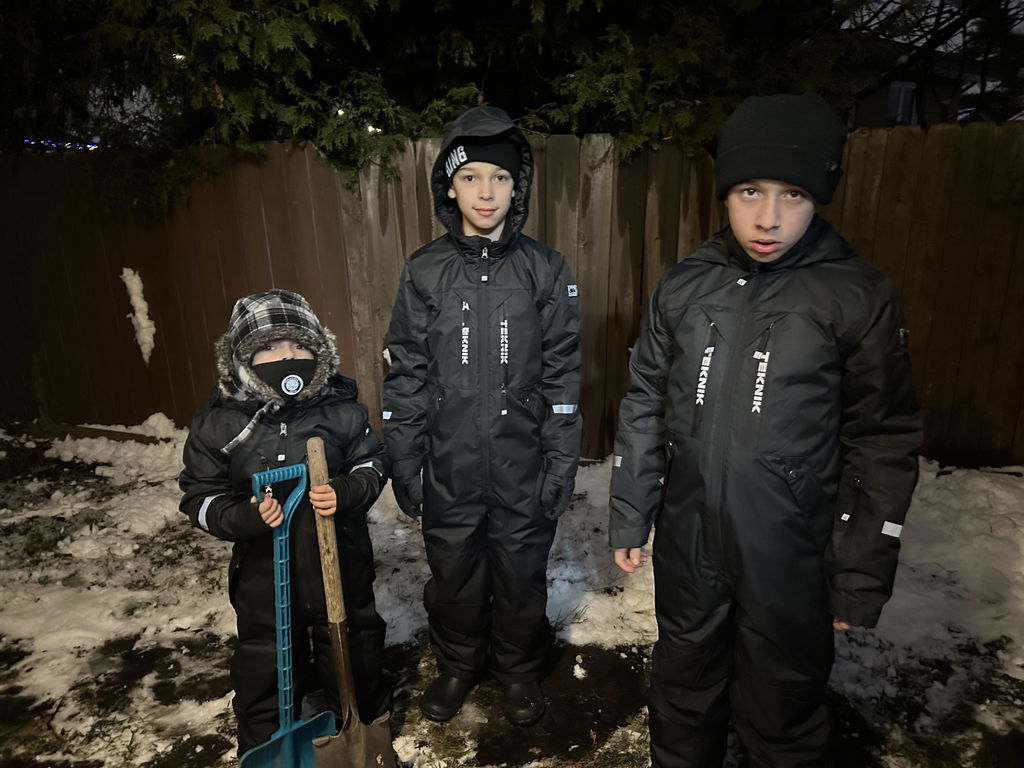
Choosing a girls snowsuit is easier when you separate the buying decision into four questions: where it will be worn, what winter conditions it needs to handle, how it fits, and which features the child can actually use. Color and print matter, but they should come after fit and winter performance.

Use this guide to narrow the features and fit you need, then compare current styles in the Girls Snowsuits collection. For a broader assortment across ages and categories, browse Kids Snowsuits.
Start With the Girl’s Actual Winter Routine
A snowsuit for short daycare outings does not necessarily need the same priorities as outerwear for long school recess, ski days or hours of weekend snow play. Write down the main use before comparing technical features.
Girls Snowsuits for Preschool
Preschool outerwear should support squatting, climbing and frequent transitions. Bathroom independence and easy closures can influence whether one-piece or two-piece construction is more practical.
Girls Snowsuits for Elementary School
School-age children often need to dress independently and quickly. Check whether zippers, suspenders, cuffs, boots and mittens can be managed within a normal recess routine. Mobility matters because school snow play can involve running, sliding and sitting directly in snow.
Girls Snowsuits for Skiing and Sledding
Both activities require movement and snow protection, but the exact garment should be evaluated for its intended use. Check weather specifications, cuffs, gaiters, fit with boots and how the garment moves through a deep knee bend.

One-Piece vs Two-Piece Girls Snowsuits
One-Piece Girls Snowsuits
A one-piece provides continuous torso-to-leg coverage and reduces the jacket-to-pant gap. Torso length is especially important: the suit should not pull through shoulders or seat when the child reaches or squats.
Two-Piece Girls Snowsuits
A two-piece separates jacket and snow pants or bib pants. This can make bathroom breaks, indoor transitions and separate jacket use easier. Check jacket overlap, bib height, suspenders and pant length.
Warmth: Compare the Exact Style
Do not assume every girls snowsuit has the same insulation or temperature rating. When temperature guidance is provided, treat it as product-specific information. Wind, activity, layers and outdoor duration also affect comfort.
Waterproofing and Wet Snow
For wet snow or slush, check the exact garment’s waterproof or water-resistance information, seam construction, gaiters, cuffs and closures. A high-level category name does not prove technical performance.
Wind Protection
Check how the outerwear closes at neck, hood, wrists and waist. Correct fit helps reduce large openings while preserving movement. One-piece construction removes one waist opening, while a two-piece can still provide strong overlap.
Breathability and Active Play
Children can become sweaty during active winter play. Breathability and appropriate layering help manage moisture. The warmest-looking garment is not automatically the best choice for a child who runs continuously at recess.
How a Girls Snowsuit Should Fit
Use the current brand size chart and measurements rather than age alone. Test the garment over realistic layers. The child should raise both arms, squat, cross the arms, walk, climb and sit without strong pulling or excessive fabric.
Should You Size Up?
Only when measurements support the larger size and it still fits functionally. Sleeves should not cover the hands, hems should not drag and the hood should not fall over the face. Adjustment or grow features are preferable to excessive oversizing when provided.
Layering Under a Girls Snowsuit
Use a comfortable base layer and add a mid-layer when conditions require it. Avoid so much bulk that the outerwear becomes restrictive. The child should still pass the full movement test after normal layers are added.
Boot Compatibility
Check pant length and gaiters with the actual winter boots. A hem that looks slightly long in socks may sit correctly over a boot, but dramatically long pants can bunch or catch under the heel.
Mittens and Cuffs
Practice the mitten-and-cuff system before school. Depending on design, mittens may sit over or under cuffs. The child should be able to restore wrist coverage after removing a mitten.
Hood Fit
The hood should provide useful coverage without obstructing vision. Check whether the exact style has a fixed, removable or adjustable hood rather than assuming all garments use the same construction.
Snow Gaiters
Gaiters can help manage snow around boots when included. They are one feature, not proof that the entire garment is waterproof. Check how they fit the child’s boots.
Reinforced Knees and Seat
Reinforcement can add value for children who kneel, slide and sit on winter surfaces. Verify the exact product. Durability also depends on shell fabric, seams, care and use.
Reflective Details
Reflective accents can improve visibility in low-light winter conditions when included, but they should be treated as one feature within normal safety practices.
Girls Snowsuits by Winter Climate
Girls Snowsuits for Wet Coastal Winters
In climates with wet snow and slush, moisture protection becomes a major comparison point. Check the exact shell and seam information and make sure outerwear can dry between uses.
Girls Snowsuits for Dry Prairie Cold
In colder, drier conditions, insulation and wind protection may become stronger priorities. Use product-specific temperature guidance when provided, then consider activity and exposure time.
Girls Snowsuits by Activity
School Recess Checklist
- Child can put on the garment with appropriate independence.
- Zippers and suspenders are manageable.
- Boots work with hems and gaiters.
- Mittens work with cuffs.
- Hood stays clear of vision.
- Squatting and climbing remain comfortable.
Daycare, Skiing and Sledding
Daycare prioritizes easy transitions and simple closures. Skiing requires mobility, equipment compatibility and suitable weather specifications. Sledding involves sitting in snow, rolling and climbing. Choose according to the dominant activity.
Girls Snowsuit Color and Outfit Coordination
Choosing Color and Print
After fit and performance requirements are met, color and print can help a child feel excited about wearing winter gear. Design should help choose among technically suitable options rather than replace technical comparison.
Matching Boots, Mittens and Hats
Accessories should work with gaiters, cuffs and hood before they are treated as outfit pieces. Coordinating colors is useful only after the winter system maintains coverage and movement.
How to Compare and Buy a Girls Snowsuit
Buying for Growth
Children grow quickly, but buying several sizes too large can reduce mobility. Look for useful adjustment features and prioritize correct current fit.
Care and Drying
Follow the care label on the exact garment. Different shells and insulation can require different methods. Wet outerwear should dry fully according to instructions before the next use.
How to Compare Two Girls Snowsuits
Compare size and fit, construction, intended use, temperature guidance, water protection, insulation, cuffs and gaiters, adjustability, care and finally design.
Budget vs Premium
Price alone does not prove performance. Premium construction is valuable only when its features solve actual winter needs. A simpler garment can be sufficient when conditions and use are less demanding.
Frequently Asked Questions
One-piece or two-piece? One-piece provides continuous coverage; two-piece provides flexibility. Choose according to routine and fit.
How waterproof? Needs depend on climate and use. Compare exact product specifications.
Should I size up? Only when measurements support the larger size and movement remains safe.
Where should I shop? Use Girls Snowsuits as the primary commercial page and Kids Snowsuits for broader browsing.
Final Buying Checklist
- Define winter use.
- Measure and check size chart.
- Choose construction.
- Review temperature guidance.
- Review water protection.
- Check cuffs, gaiters, hood and closures.
- Test movement over layers.
- Check boots and mittens.
- Consider school independence.
- Choose design after performance.
Related guide: Snowsuit Sizing Guide for Babies, Toddlers, and Big Kids.
Bottom Line
The best girls snowsuit matches the child’s routine, fits correctly and provides suitable weather protection. When ready to shop, continue to Girls Snowsuits, with Kids Snowsuits as the secondary hub.