Choosing comfortable baby pajamas comes down to four things you can check before you buy: the right size, a fabric that suits your baby's room, closures that make night changes easy, and a style that matches your baby's age. Prints and brand names come after that.
Quick answer: The most comfortable baby pajamas are actual sleepwear in your baby's current size, close-fitting but not tight, made from a fabric weight that suits the bedroom rather than the outdoor forecast. Pick a zipper or snaps you can manage half-asleep, check toes and torso length often, and skip loose blankets and hats.
Ready to compare styles? Browse Baby Footies & Sleepers, or shop by section in Baby Girls Pajamas and Baby Boys Pajamas.
What Makes Baby Pajamas Comfortable?
Comfortable baby pajamas fit the body closely without pressing into it, let your baby kick and stretch freely, suit the temperature of the room, and open easily for diaper changes. Fabric matters, but fit and room temperature usually matter more to how a baby actually feels at 3 a.m.
Health Canada puts it simply in its guide to dressing your baby for sleep: "Babies are safest in simple, fitted sleepwear, like a sleeper." The Canadian Paediatric Society (CPS) says the same thing on its Caring for Kids site, noting that a baby does best in "properly fitted sleepwear—like a one-piece sleeper." So comfort and good sleep habits point in the same direction: simple, fitted sleepwear.
Use this short list as your filter when you compare products:
- Size: matches your baby's current height and weight on the brand's size chart, not just their age.
- Fit: close to the body, with no pulling across the shoulders or crotch and no crowded toes.
- Fabric: a fibre blend and weight that suit your baby's room.
- Closure: a zipper or snaps you can open and close quickly in low light.
- Style: footed, footless or two-piece, depending on age and how fast your baby is growing.
- Care: a care label that works with your laundry routine.
What Size Baby Pajamas Should You Buy?
Buy the size that fits your baby now, using the brand's size chart, and resist the urge to size up "for growing room." Pajamas that are too big are less comfortable and work against the guidance from both Canadian and U.S. health and safety agencies.
Health Canada warns that "sleepwear that's too big can ride up and cover your baby's nose and mouth." Its children's sleepwear page adds that oversized sleepwear "can come into contact with an ignition source more easily and may burn more quickly." Health Canada's sleepwear page asks parents to dress children in "size-appropriate sleepwear."
Size labels also vary between brands. A 6-month sleeper from one brand can run longer or shorter than a 6-month sleeper from another, so check the height and weight ranges every time you try a new label. Our baby clothes size guide explains how to measure and how to read size charts from newborn to 24 months.
Snug fit is intentional on many pajamas, especially from 9 months up. If you've ever wondered why kids' PJs feel so close-fitting, read Why Are Kids' Pajamas So Tight? It explains the fit rules and includes a body-area fit check.
How Do You Check Pajama Fit at Home?
Put the pajamas on your baby and run through these checks in under two minutes:
- Shoulders and torso: zip up fully. The fabric should lie flat without pulling down on the shoulders or up at the crotch.
- Neckline: it should sit at the base of the neck, not gape open or press against the chin.
- Diaper room: there is room for the diaper without the seat sagging low.
- Feet: in footed styles, your baby can flex and spread their toes and straighten their legs fully.
- Cuffs and waistbands: they stay in place without leaving deep marks.
- Movement: your baby can kick, bend their knees and lift their arms easily.
- Hardware: zipper pulls and snaps are firmly attached, with no loose threads.
If one area keeps failing, such as foot length, try a different cut or a footless style rather than jumping a full size.
Which Fabric Is Most Comfortable for Baby Pajamas?
There is no single most comfortable fabric. Cotton, organic cotton and bamboo-derived viscose can all feel soft, and how warm or stretchy a pajama feels depends just as much on the knit, weight, added stretch fibre and fit. Read the exact fibre composition on the product page instead of relying on one word.
Here is how the main baby pajama fabrics compare, using examples taken from live Jenni Kidz product pages:
| Fabric | What to know | Example from a product page |
|---|---|---|
| Cotton interlock | A smooth, double-knit cotton. Adding elastane gives a little more stretch. | Deux par Deux lists its Beige Animal Print one-piece pajama as 96% organic cotton and 4% elastane interlock. |
| Cotton rib | A ribbed knit with natural stretch across the body. | Petit Lem lists its Unicorn on Crème sleeper as 100% organically grown cotton 1x1 rib. |
| Viscose from bamboo + spandex | A smooth, stretchy knit. It is still a processed fibre, so read the care label. | Angel Dear lists 95% viscose from bamboo and 5% spandex on its zipper footies. |
| Bamboo rayon + spandex | Similar hand feel. Some brands advise air drying. | Kyte Baby lists 97% bamboo rayon and 3% spandex and says "dryer not recommended." |
Fabric also connects to sleepwear fire rules. Health Canada notes that "cotton, cotton-blend and rayon fabrics tend to catch fire and burn more quickly than most synthetic materials," and advises: "If you prefer 100% cotton fabrics, tight-fitting sleepwear is the safer option." For cotton or bamboo-derived pajamas, that means close-fitting styles such as sleepers, not loose nightgowns or oversized T-shirts.
Organic cotton describes how the cotton was grown. It doesn't automatically mean softer, warmer or better for every baby's skin. If organic matters to you, look for the brand's own wording on the product page, as with the Deux par Deux and Petit Lem examples above.
For a deeper fabric comparison, see Softest Baby Pajamas: Fabric, Fit & Buying Guide. If you're considering bamboo-derived sleepwear for winter, Are Bamboo Sleepers Warm Enough? covers warmth and blends.
What If Your Baby Has Sensitive Skin?
Start with a simple fabric, check the seams and labels, and keep laundry products simple. No fabric can promise that a baby won't get irritated. The American Academy of Dermatology (AAD) recommends using "only detergent that is fragrance-free and dye-free" for children with eczema, and advises avoiding wool and synthetic fibres like polyester, which can trigger eczema.
The AAD also suggests loose-fitting 100% cotton for everyday clothing. For sleepwear, though, Health Canada's advice is that 100% cotton is a better choice in a tight-fitting style. So choose a close-fitting cotton sleeper rather than a loose cotton outfit for sleep. If your baby has diagnosed eczema or ongoing irritation, ask their healthcare provider. Our guide to baby pajamas for sensitive skin goes into fibres, seams and laundry in more detail.

Are Snug-Fitting and Flame-Resistant Pajamas the Same Thing?
No. "Snug-fitting" describes the cut; "flame resistant" describes how the fabric performs in a flame test. In the U.S., snug-fitting sleepwear is excepted from the sleepwear flame tests, while looser styles must pass them. In Canada, all children's sleepwear must meet flammability requirements, with a less stringent test for tight-fitting styles than for loose-fitting ones. Neither term automatically means a chemical flame retardant was added.
In the U.S., the Consumer Product Safety Commission (CPSC) says the sleepwear standards in 16 CFR parts 1615 and 1616 exist "to protect young children from death and serious burn injuries associated with the ignition of sleepwear garments." According to the CPSC's sleepwear fact sheet, garments for infants 9 months and under that meet length limits are exempt from those flame tests. Snug-fitting garments for older children are exempt too, but they must carry a hangtag explaining that they are not flame resistant and should be worn snug.
In practice, you'll see wording like this on some product pages. Angel Dear's product details for its zipper footies state: "For child's safety, garment should fit snugly. This garment is not flame resistant." That matches the hangtag text the CPSC published: "For child's safety, garment should fit snugly. This garment is not flame resistant. Loose-fitting garment is more likely to catch fire."
In Canada, Health Canada's guidelines for the Children's Sleepwear Regulations under the Canada Consumer Product Safety Act cover sleepwear in sizes 0 to 14X. They set different flammability requirements for tight-fitting and loose-fitting sleepwear. The full explanation, including what "not flame resistant" really means, is in Do Kids' Pajamas Have to Be Flame Retardant?
The takeaway for shoppers: choose actual sleepwear, follow the fit instructions on the label, and don't swap in a loose daytime outfit or a bigger size to make it roomier. Health Canada notes that "some daywear may not meet the flammability requirements for sleepwear."
Zipper, Snaps or Two-Way Zipper: Which Closure Is Easiest at Night?
For most families, a zipper is the fastest closure for frequent night changes. A two-way zipper lets you open only the bottom for a diaper change. Snaps take longer, but they let you adjust which part opens. Choose the one you can manage quickly in the dark.
- Front zipper: one pull opens and closes the pajamas. Kyte Baby describes its Aloe Chick footie as having "one zipper that spans the whole front" from the collar down to the ankle.
- Two-way zipper: opens from the bottom so your baby's chest stays covered during a diaper change. Check each product's description, because not every zipper sleeper works this way.
- Snaps: flexible and zipper-free, but slower to line up when you're tired. Best if you prefer opening only the legs.
- Two-piece sets: no crotch closure at all. Useful for older babies and toddlers, especially once potty training starts.
Whatever you choose, check the hardware regularly. Health Canada asks parents to watch for "loose buttons, snaps, zipper pulls or other small parts, which could become a choking hazard," and for loose threads that can wrap around fingers or toes.
Footed, Footless or Two-Piece: Which Pajama Style Fits Each Age?
Footed one-piece sleepers suit most young babies. Footless styles give more room as feet grow, and two-piece pajamas become practical for older babies and toddlers. The best style is the one that fits your baby's body today and makes your routine easier.
| Age | Style that usually works | What to check |
|---|---|---|
| Newborn to 3 months | Footed one-piece with a zipper | Neckline, torso length, quick diaper access |
| 3 to 9 months | Footed or footless one-piece | Foot room as legs lengthen, movement for rolling |
| 9 to 24 months | One-piece, or a snug two-piece set | Snug-fit instructions on the label, waistband comfort |
| Toddlers (2 years and up) | Snug two-piece set | Top length, cuffs, ease of independent dressing |
Newborns: footies are the go-to because they're one piece and cover the feet. If you're unsure, Can Newborns Sleep in Footie Pajamas? covers newborn fit, hats and overheating. For how many to buy, see How Many Newborn Footies Do You Need?
Older babies: watch the feet. A footed sleeper can feel tight at the toes before the body is outgrown. When that happens, switching to footless or the next size usually works better than squeezing in another week.
Toddlers: two-piece sets are easier for diaper and potty trips and let children start dressing themselves. Hatley lists its Arctic Animals two-piece set as organic cotton with light blue cuffs at the sleeves and ankles. Petit Lem lists its National Park set as 100% organically grown cotton rib with cuffed sleeves and ankles. For signs it's time to move up, read how to know when your toddler needs the next pajama size.
How Warm Should Baby Pajamas Be in Each Season?
Dress for the bedroom, not the weather outside. Health Canada says to keep your baby "warm, not hot," and that "if the room temperature is comfortable for you, it will be comfortable for your baby too." The American Academy of Pediatrics (AAP) adds a simple rule: dress your baby "in only one layer more than you're wearing."
- Warm room or summer: a lighter sleeper or short set, and a lightweight sleep sack if you use one. Health Canada notes a sleep sack should suit the room, "lightweight if the room is warm."
- Cool room or winter: a long-sleeve footed sleeper, plus a correctly sized sleep sack if needed. The AAP says that if you're worried about your baby getting cold, "you can dress them in layers of clothing or use a wearable blanket."
- In between: start with a regular cotton or bamboo-derived sleeper and adjust after checking your baby.
Check your baby rather than guessing. The AAP lists signs of overheating as "sweating, a hot chest or flushed skin." The CPS notes that "overheating increases your baby's risk of SIDS." Skip hats indoors too: Health Canada says "babies do not need hats when they're indoors" because a hat can make them too hot. More on that in Does a Newborn Need to Wear a Hat?
If you live somewhere with long, cold winters, What Baby Pajamas Are Best for Cold Weather? compares winter sleepers, footed and footless styles, and sleep sacks. Shop wearable blankets in Baby Sleep Sacks, and follow each sleep sack's own size and layering guidance.

What Are the Safe Sleep Basics to Know When Choosing Pajamas?
Pajamas are only one part of the sleep setup. Pediatric and public health agencies in both countries agree on a short list of basics that affect what your baby should wear:
- Back to sleep: the CPS says, "Always place your baby on their back to sleep, for every sleep."
- A bare sleep space: the AAP says to use "a fitted sheet only—nothing else should be in the crib with your baby." The CPS adds that "babies do not need blankets when they sleep." That's why pajamas and a sleep sack replace loose blankets. See When Can Babies Sleep With a Blanket?
- Nothing around the neck or head: the CPS advises taking off "bibs, necklaces, items with ties or hoods, and hats" before sleep. Choose sleepwear without hoods or ties.
- No outerwear for sleep: Health Canada says to remove snowsuits, jackets and other outerwear once indoors. It isn't safe for babies to sleep in them.
- No weighted products: both the AAP and Health Canada advise against weighted sleepers, swaddles, sleep sacks and blankets.
- Stop swaddling when rolling starts: Health Canada suggests stopping around 2 months, before your baby can roll. The AAP says to stop when your baby looks like they're trying to roll. More in Can You Swaddle a Baby Too Tight?
Which Baby Pajamas Are Best to Compare at Jenni Kidz?
The best baby pajamas for your family are the ones that pass the fit check, suit your baby's room and are easy to change. Here are real examples from Jenni Kidz, grouped by what each does well. All details come from the brands' product pages.
Cotton footed one-pieces from Deux par Deux and Petit Lem
- Deux par Deux Baby Organic Cotton One Piece Pajama, Beige Animal Print: Deux par Deux lists 96% organic cotton and 4% elastane interlock, a front zipper, long sleeves and attached feet, in sizes 3m to 24m, for baby boys and girls.
- Deux par Deux Baby Boy One Piece Pajama, Navy Dinosaur Print: Deux par Deux lists 100% organic cotton interlock and a front zipper, with a holiday dinosaur print.
- Deux par Deux Baby Girl One Piece Pajama, Pink Tree Print: Deux par Deux lists 100% organic cotton interlock, a front zipper, attached feet and bright pink neckband and cuffs.
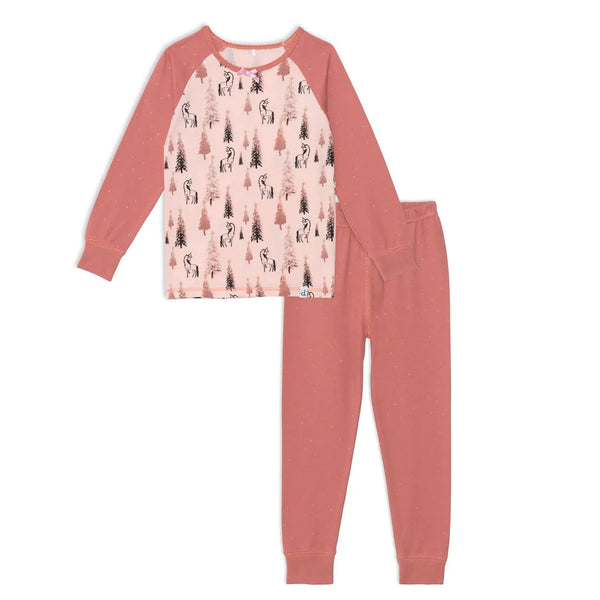
- Petit Lem Unicorn on Crème Sleeper: Petit Lem lists 100% organically grown cotton 1x1 rib, a front zipper, built-in feet and cuffed sleeves.
Bamboo-derived zipper footies
- Angel Dear Zipper Footie, Firecrackers: Angel Dear lists 95% viscose from bamboo and 5% spandex, a front zipper and footed design, and states that the garment should fit snugly and is not flame resistant.
- Angel Dear Baby Boy Zipper Footie, Jazz Animals: same fabric blend, listed by Angel Dear as a snug fit.
- Kyte Baby Zippered Footie, Aloe Chick: Kyte Baby lists 97% bamboo rayon and 3% spandex, a full-length zipper and enclosed feet.
Two-piece sets for older babies and toddlers
- Hatley Baby Boy Arctic Animals Organic Cotton Pajama Set: Hatley lists organic cotton, a long-sleeve top and full-length pants with light blue cuffs.
- Petit Lem National Park Baby & Toddler Pajama Set: Petit Lem lists 100% organically grown cotton rib with cuffed sleeves and ankles.
Sizes and prints change often, so check each product page for current sizes. To compare by brand, browse Deux par Deux, Angel Dear and Petit Lem.
How Should You Wash Baby Pajamas So They Keep Fitting?
Follow the care label on each garment, because blends, ribbing and elastane react differently to heat. A sleeper that shrinks in a hot dryer may no longer fit as intended, so recheck the fit after the first few washes.
- Read the label first. Deux par Deux lists "Machine wash cold · Do not bleach · Tumble dry low" for its one-piece pajamas. Kyte Baby says "dryer not recommended, hang or lay flat to dry."
- Wash new pajamas before the first wear. Petit Lem lists "Wash before wear" on its National Park set.
- Keep detergent simple. The AAD recommends fragrance-free, dye-free detergent for children with eczema.
- Zip zippers closed before washing. This helps protect the fabric and the zipper.
- Inspect after washing. Look for loose threads, loose snaps and wobbly zipper pulls.
For full laundry routines, see How to Wash Baby Clothes So They Last Longer and How to Wash Bamboo Baby Clothes.
What Baby Pajama Mistakes Should You Avoid?
- Sizing up "to grow into." Oversized sleepwear can ride up, and it's less comfortable.
- Using daywear or loose T-shirts for sleep. The CPSC says loose cotton and cotton-blend T-shirts and other baggy clothing should not be used as children's sleepwear.
- Dressing for the weather outside. A heated nursery in January may need less than you expect.
- Adding a hat or blanket for warmth. Use a correctly sized sleep sack instead.
- Ignoring the toes. Footed sleepers are often outgrown at the feet first.
- Buying a big stack of a new brand. Test the fit with one or two pairs first.
- Trusting a single fabric word. Read the full fibre composition and care label.
Baby Pajama FAQs
What is the most comfortable fabric for baby pajamas?
No single fabric works best for every baby. Cotton, organic cotton and bamboo-derived viscose can all feel soft. Comfort depends on the knit, weight, stretch and fit, so read the full fibre composition. If you prefer 100% cotton, Health Canada says tight-fitting sleepwear is the safer option.
Should baby pajamas be tight or loose?
Baby pajamas should be close-fitting but not tight. Health Canada says sleepwear that is too big can ride up and cover a baby's nose and mouth. Your baby should still be able to move freely, with no pulling at the shoulders, crotch or toes.
Should I size up in baby pajamas?
No. Buy the size that fits your baby now, using the brand's size chart. Health Canada recommends size-appropriate sleepwear, and many pajamas are designed to fit snugly. If one area, such as the feet, is too small, try a footless style or the next size.
Are footie pajamas or two-piece pajamas better for babies?
Footed one-piece sleepers suit most young babies because they are simple and cover the feet. Two-piece snug-fitting sets become practical for older babies and toddlers, especially during potty training. Choose based on fit, age and your routine.
How many layers should a baby wear to sleep?
The AAP suggests dressing your baby in one layer more than you're wearing. In most homes, that means a sleeper, plus a correctly sized sleep sack if the room is cool. Check for overheating signs such as sweating, a hot chest or flushed skin.
Do baby pajamas need to be flame resistant?
Not always. In the U.S., snug-fitting sleepwear is excepted from the sleepwear flame tests and carries a label saying it is not flame resistant and should fit snugly. In Canada, all children's sleepwear must meet flammability requirements, with a less stringent test for tight-fitting styles. Either way, follow the fit instructions on the label.
Is a zipper or snaps better for night changes?
A zipper is usually faster for frequent night changes, and a two-way zipper lets you open only the bottom. Snaps are slower but more adjustable. Whichever you choose, check zipper pulls and snaps regularly for looseness.
Medical note: This article is general information, not medical advice. Follow your baby's healthcare provider for questions about sleep, skin conditions or your baby's health, and check each product's own label and instructions.
Sources
- American Academy of Pediatrics (HealthyChildren.org): How to Keep Your Sleeping Baby Safe
- Canadian Paediatric Society (Caring for Kids): Safe sleep for babies
- Government of Canada: Dressing your baby for sleep
- Health Canada: Children's sleepwear safety
- Health Canada: Guidelines for the flammability requirements of the Children's Sleepwear Regulations
- U.S. CPSC: Children's Sleepwear Regulations (16 CFR 1615/1616)
- U.S. CPSC: Children's Sleepwear Fact Sheet
- U.S. CPSC: New Labels on Children's Sleepwear Alert Parents to Fire Dangers
- American Academy of Dermatology: How can I find eczema friendly products?