Rompers and one-pieces are useful because they simplify dressing: one garment covers the torso, stays in place better than a loose top, and can make diaper changes easier. The best option is the one that fits correctly and matches how your baby will actually wear it.
Rompers vs One-Pieces: What’s the Difference?
Retailers use these names differently. A “one-piece” may mean a bodysuit, playsuit, sleeper, or other single-garment outfit. A romper usually describes a one-piece daytime outfit with leg openings or short/long legs.
Instead of relying only on the product name, check the photos, closures, leg shape, fabric, and intended use.
See the Construction Difference
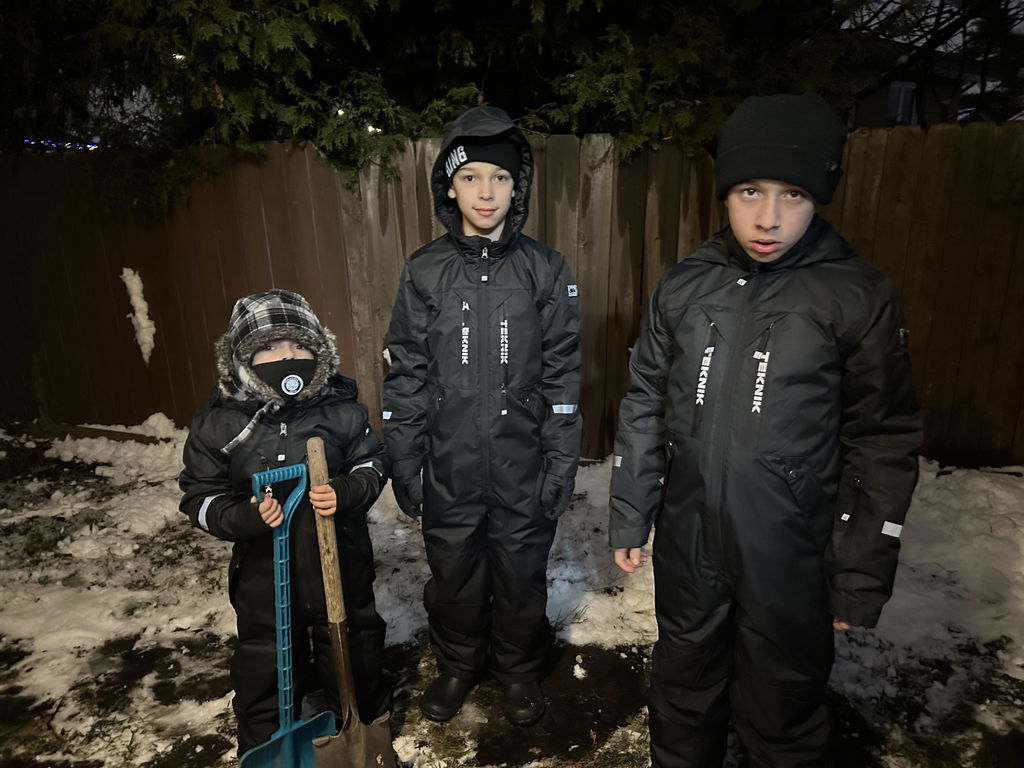
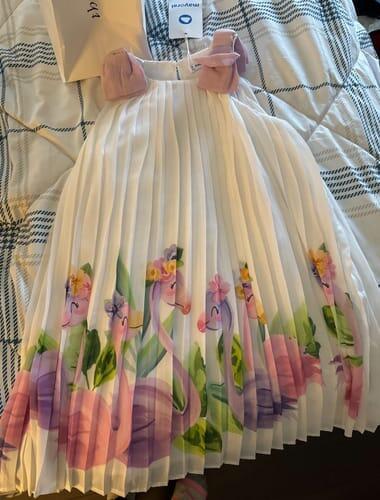
“Romper” and “one-piece” cover several different silhouettes. These current examples show why shoppers should compare construction rather than relying on the category name alone.
| Construction | What to check |
|---|---|
| Full-length coverall | Torso length, sleeve and leg coverage, zipper or snaps, movement and intended use. |
| Bubble or short romper | Leg openings, diaper access, neckline, warm-weather comfort and closure placement. |
Browse Baby Girls One-Pieces and Baby Boys One-Pieces to compare current constructions and sizes.
Start With Fit
Use the brand’s current size chart. A baby should be able to kick, bend, and move normally without the garment pulling strongly through the shoulders or crotch.
Signs a one-piece may be too small include:
- Snaps pulling open
- Strong tension at the shoulders or crotch
- Leg openings digging into the skin
- Restricted kicking or bending
Signs it may be too large include excessive fabric bunching, slipping neck openings, or closures that no longer sit where intended.
Choose Closures for Real-Life Diaper Changes
Snaps at the crotch, two-way zippers, and full-length front openings can all be useful. The best closure is the one that lets you change the baby without removing more clothing than necessary.
Inspect snaps, zipper pulls, and decorative hardware regularly to make sure they remain secure.
Fabric: Compare the Exact Garment
Cotton, organic cotton, bamboo-derived blends, modal, and synthetic blends can all be used successfully in baby one-pieces. Avoid broad assumptions such as:
- “Organic” automatically means irritation-free.
- “Bamboo” automatically means antibacterial.
- “Natural” automatically means safer.
- “Synthetic” automatically means uncomfortable.
Check fibre composition, fabric weight, stretch, seams, and care instructions for the specific item.
One-Pieces for Warm Weather
Choose lighter fabrics and avoid unnecessary layers. For outdoor use, sun protection matters too. Babies under 6 months should be kept out of direct sunlight as much as practical, using shade and protective clothing.
One-Pieces for Cool Weather
Use the one-piece as part of an adjustable layering system. Add or remove outer layers according to the environment rather than choosing an oversized base garment.
Daytime One-Piece vs Sleepwear
A daytime romper is not automatically sleepwear. Children’s sleepwear is subject to its own safety and flammability requirements. For sleep, use a garment intended and labelled for that purpose.
What About Sensitive Skin?
Soft construction can improve comfort, but no romper can guarantee that a baby will not develop irritation. If your child has diagnosed eczema, dermatologists commonly recommend soft cotton clothing and fragrance-free, dye-free laundry products while individual triggers are identified.
How Many Rompers or One-Pieces Do You Need?
Base the number on laundry frequency, spit-up, diaper leaks, season, and how quickly the baby is growing. Start with a practical rotation rather than buying a large quantity in one size before you know the fit.
Bodysuit, Romper, Playsuit, or Sleeper?
These names are often used loosely, so shop by construction rather than label alone. A bodysuit usually covers the torso and fastens at the crotch. A romper or playsuit is generally a complete daytime outfit with leg coverage or leg openings. A sleeper is intended for sleep and should be evaluated as sleepwear rather than ordinary daywear.
Choose the One-Piece by Use Case
Everyday diaper changes: prioritize easy crotch snaps or a zipper that gives quick lower-body access.
Daycare: choose machine-washable fabrics and simple closures caregivers can use quickly.
Travel: select a style that can handle temperature changes with a removable outer layer.
Photos or events: choose the polished print or detail only after confirming fit and movement.
Where One-Pieces Commonly Fit Wrong
- Torso: pulling between shoulders and crotch usually means the body length is too short.
- Leg openings: tight elastic can create pressure, while oversized openings may shift.
- Neckline: it should stay in place without gaping or feeling restrictive.
- Sleeves: the baby should be able to bend elbows and raise arms normally.
Do Not Buy Too Many in One Size
One-pieces are high-use items, but babies grow quickly. Start with enough to cover your laundry cycle, then reorder the category that is actually getting used instead of filling a drawer with a size the baby may outgrow early.
How to Build a Small One-Piece Rotation
A practical rotation can include a few everyday basics, one or two more polished rompers for outings, and separate sleepwear for bedtime. This gives the wardrobe variety without treating every one-piece as interchangeable.
What to Check Before You Add to Cart
- Current size chart
- Torso length and leg construction
- Fabric composition
- Closure placement
- Care instructions
- Daywear vs sleepwear designation
- Season and likely indoor environment
Shop Current One-Piece Inventory
Browse Baby Girls One-Pieces and Baby Boys One-Pieces for current sizes and styles. Collection pages are a better shopping destination than static product lists because availability changes frequently.
Frequently Asked Questions
Are rompers good for newborns?
They can be practical when the garment fits correctly, allows movement, and makes diaper changes manageable.
Is cotton always best?
No single fibre wins for every family. Compare the actual fabric construction, fit, care, and intended use.
Should I size up a one-piece so it lasts longer?
A little growth room can be reasonable in some daytime garments, but do not intentionally oversize sleepwear or any garment when excess fabric interferes with the intended fit.
Related guide: What Baby Clothes Are Best for Newborns? Complete Guide.

Construction guide: compare coveralls, bubble rompers and bodysuits by coverage, closures, season, movement and diaper access; use sleepwear only when the garment is intended and labelled for sleep.
Bottom Line
Choose rompers and one-pieces by fit, closures, fabric construction, and intended use. Those details help a parent make a buying decision faster than generic claims about “hypoallergenic,” “non-toxic,” or “antibacterial” fabrics.
How to Choose Rompers and One-Pieces by Baby Stage
Newborn stage
For newborns, easy diaper access and gentle movement matter more than elaborate styling. Look for a neckline and torso that sit comfortably, closures that do not require excessive handling, and fabric that works with the indoor temperature. Babies can grow through newborn sizes quickly, so avoid buying a large quantity before confirming the fit.
3–6 months
As babies kick more and spend more time awake, check leg movement and torso length carefully. A one-piece should not pull strongly through the shoulders when the baby stretches. If the garment is footed, confirm there is adequate toe room and that the legs are not stretched tight when the knees bend.
6–12 months
Rolling, sitting and crawling create new fit demands. Check that snaps, zippers and leg openings remain comfortable during floor movement. A decorative romper can still be practical, but closures and fabric should not interfere with crawling or diaper changes.
12–24 months
Walking toddlers need more attention to leg shape, stride and independent movement. Short rompers, playsuits and full-length one-pieces can all work, but the right choice depends on season, daycare routine and whether the child can move freely without excess fabric around the feet.
Rompers vs Bodysuits vs Coveralls vs Sleepers
| Garment type | Typical construction | What to check |
|---|---|---|
| Bodysuit | Torso coverage with crotch snaps and little or no leg coverage. | Torso length, neckline, snap placement and diaper access. |
| Romper / playsuit | Single daytime outfit with short or long legs. | Leg openings, movement, closures and season. |
| Coverall | Full-length one-piece with long sleeves and legs. | Torso, sleeve and leg length plus zipper or snap access. |
| Sleeper | One-piece intended and labelled for sleep. | Sleepwear fit, safety labelling, footed vs footless construction and room conditions. |
Retail naming is not perfectly consistent, so the product photos and construction details matter more than the category label alone.
How to Measure for a Baby One-Piece
Use the brand’s current size chart and follow its measurement instructions. For a full-length garment, height and torso length are especially important. Chest and hip measurements can also affect fit depending on the cut.
If the chart uses age ranges, treat them as a starting point rather than an exact prediction. Two babies of the same age can have different height, torso length and proportions. If the baby falls between sizes, compare the dimensions that matter most for the construction rather than automatically choosing the larger age label.
Torso Length: The Fit Detail Parents Often Miss
A one-piece connects the shoulders and crotch, so torso length can become the limiting measurement. Signs the body is too short include pulling at the shoulders, snaps under tension, a zipper that strains through the torso or discomfort when the baby stretches.
In a loose daytime romper, a little ease can be comfortable, but too much excess length can shift closures or make leg openings sit incorrectly. Functional fit matters more than “room to grow.”
Choosing Closures: Snaps vs Zippers vs Buttons
Crotch snaps
Crotch snaps can make diaper changes practical because the upper body stays dressed. Check that the snaps align easily and do not pop open when the baby bends.
Two-way zippers
A two-way zipper can allow lower-body access while keeping the upper body covered. Check for a zipper guard at the neckline and make sure the zipper does not create a stiff ridge against the body.
Full front zippers
Full front openings can make dressing easier for babies who dislike garments being pulled over the head. Confirm that the zipper closes smoothly and that the fabric around it remains comfortable when the baby sits or curls.
Decorative buttons
Buttons can create a polished daytime look, but inspect them periodically for security. Decorative details should not replace practical diaper access when the garment will be worn for long periods.
Fabric Comparison for Baby Rompers and One-Pieces
Cotton
Cotton comes in many weights and knit constructions. A lightweight cotton romper can work well for warm indoor or summer wear, while a heavier cotton knit may suit cooler conditions. The fibre name alone does not tell you the finished feel.
Organic cotton
Organic cotton describes how the cotton was produced under an applicable standard. It does not automatically guarantee that a garment will feel softer, prevent irritation or fit better. Check the actual knit, seams and care.
Bamboo-derived fabrics
Many “bamboo” garments use regenerated cellulose fibres such as viscose or rayon derived from bamboo. These knits can feel smooth and stretchy, but evaluate the exact fibre label and garment construction rather than relying on broad claims like “hypoallergenic” or “antibacterial.”
Modal
Modal blends can offer a soft, stretchy feel depending on the garment. Recovery, seams, fabric weight and care remain important. A soft fabric in the wrong size is still the wrong garment.
Synthetic blends
Synthetic fibres may be used for stretch, durability, texture or performance. Do not reject a garment solely because it contains synthetic fibre. Compare how the finished fabric feels and performs for the intended use.
How to Choose a One-Piece for Warm Weather
Look for lighter constructions and avoid unnecessary layering. Short rompers, sleeveless playsuits or lightweight bodysuits can reduce bulk in warm conditions. For outdoor time, use shade and age-appropriate sun protection practices rather than treating thin clothing as complete sun protection.
Check leg openings and neckline fit because loose summer silhouettes still need to stay positioned correctly during movement.
How to Choose a One-Piece for Cool Weather
A long-sleeve or full-length one-piece can become part of an adjustable layering system. Add a cardigan, jacket or other outer layer as needed rather than buying the one-piece excessively large to fit more clothing underneath.
The base garment should fit correctly on its own. Oversizing can create bunching beneath outer layers and make diaper changes more awkward.

Closure comparison: full zippers, crotch snaps and elastic romper legs change diaper access, dressing speed and day-to-day convenience.
Daycare Rompers and One-Pieces
Daycare clothing needs to handle repeated diaper changes, meals, floor play and washing. Simple closures and easy-care fabrics can be more useful than decorative details. If caregivers have clothing preferences, consider those before buying a large daycare rotation.
- Choose closures that caregivers can operate quickly.
- Label garments when the daycare requests it.
- Prioritize machine-washable construction when that matches the care label.
- Avoid complicated layers for routine diaper changes.
- Keep a backup outfit in the daycare bag when required.
Travel Rompers and One-Pieces
Travel can move a baby through warm vehicles, airports, cool indoor spaces and outdoor weather in one day. Choose a one-piece that works as a comfortable base outfit and add removable layers around it. This is usually more flexible than dressing the baby in one extremely warm garment for the entire journey.
Pack at least one backup one-piece because spills and diaper leaks are harder to manage away from home.
Special-Occasion Rompers
Smocking, ruffles, prints and decorative buttons can make a romper suitable for photos or family events. Check comfort first. A garment can look beautiful while sitting still but become uncomfortable when the baby crawls, eats or naps.
Before the event, test the outfit for normal movement and make sure the closures are practical enough for diaper changes.
How Many Baby One-Pieces Should You Buy?
The answer depends on laundry frequency, age, spit-up, diaper leaks, season and how quickly the baby is growing. New parents are often tempted to buy many pieces in one size, but babies can move through a size faster than expected.
Start with a small practical rotation, note which construction gets used most, then add more of the styles that work. A baby who lives in zipper coveralls may not need many decorative rompers, while another family may prefer bodysuits plus separate pants.
One-Piece Shopping by Use Case
| Use case | Good starting construction | Priority |
|---|---|---|
| Frequent diaper changes | Bodysuit, zipper romper or easy-snap coverall | Fast lower-body access. |
| Daycare | Simple romper or coverall | Durability, washing and easy closures. |
| Warm-weather outing | Short romper or lightweight bodysuit | Breathable-feeling construction and easy movement. |
| Cool weather | Long-sleeve or full-length one-piece | Layering flexibility. |
| Photos or events | Decorative romper | Comfort first, then styling. |
| Sleep | Garment intended and labelled as sleepwear | Correct sleepwear fit and safety guidance. |
What to Check When the Order Arrives
- Try the garment before washing if the return policy requires tags to remain attached.
- Check torso length while the baby stretches.
- Bend the baby’s knees gently and check hip freedom.
- Inspect leg openings for pressure.
- Check the neckline for gaping or tightness.
- Open and close every snap or zipper.
- Confirm footed styles leave adequate toe room.
- Read the care label before the first wash.
Common Baby Romper Buying Mistakes
- Buying only by age without checking measurements.
- Choosing a full drawer of one size before testing the brand fit.
- Assuming “bamboo” or “organic” guarantees no irritation.
- Buying daytime rompers and assuming they are sleepwear.
- Ignoring torso length in a full-body garment.
- Sizing up too far for growth.
- Choosing decorative closures that make diaper changes difficult.
- Forgetting how the garment will work with outer layers.
How to Care for Rompers and One-Pieces
Follow the exact care label because cotton, bamboo-derived knits, modal blends, synthetics and decorative garments may require different washing or drying methods. Close zippers or snaps when the instructions recommend it, treat stains with products compatible with the fabric and avoid assuming high heat is appropriate.
After laundering, recheck the fit. Babies grow quickly, and a garment can also change slightly through normal washing. If the torso begins pulling or the feet become crowded, move to the next size.
Gift Guide: Choosing a Baby Romper for Someone Else
If you are buying a gift, prioritize versatile construction and a realistic future size rather than guessing far ahead. A romper in the baby’s current or near-future size is more likely to be worn than a very large garment saved for an uncertain season.
Include a gift receipt when possible and avoid medical or safety claims that the exact product does not support. Describe the fibre, print, closure and intended use instead.
How to Compare Two One-Pieces Before Checkout
When two garments look equally cute, compare the practical details:
- Which one has easier diaper access?
- Which size chart better matches the baby now?
- Which fabric and weight fit the season?
- Which neckline and closure are easier for your baby?
- Which care routine fits your household?
- Is either one intended for sleep, or are both daytime garments?
- Which product has the sizes you need in stock?
Frequently Asked Questions: More Buying Questions
Are bubble rompers practical for babies?
They can be practical for warm-weather daytime wear when the leg openings, torso and diaper access fit correctly. Check the exact construction and closure layout.
Are full-length coveralls good for crawling?
They can work well when the torso, hips and knees allow normal movement. Watch for pulling at the crotch or shoulders and make sure footed styles do not crowd the toes.
Should a romper be loose?
The intended fit depends on the design. A daytime bubble romper may have more ease than a sleeper or bodysuit, but excessive fabric can still shift or interfere with movement.
What fabric is best for a baby romper?
No single fibre is best for every baby. Compare the finished fabric, weight, stretch, seams, season, care instructions and the child’s comfort.
Can a baby sleep in any one-piece?
No. Use garments intended and labelled for sleep when the baby is sleeping. Daytime rompers are not automatically sleepwear.
How do I know when to size up?
Size up when current measurements and fit indicate the garment is becoming too short or tight. Do not wait for snaps to pull open or toes to become crowded.
Bottom Line: Choose Construction First, Then Style
The best baby romper or one-piece is the one that fits the baby’s current body, simplifies the family’s routine and matches the season and intended use. Start with construction—bodysuit, romper, coverall or sleeper—then compare closures, fabric, fit and care.
Browse Baby Girls One-Pieces and Baby Boys One-Pieces to compare current styles and sizes, and use the Newborn Clothing Guide when you are building a first wardrobe.