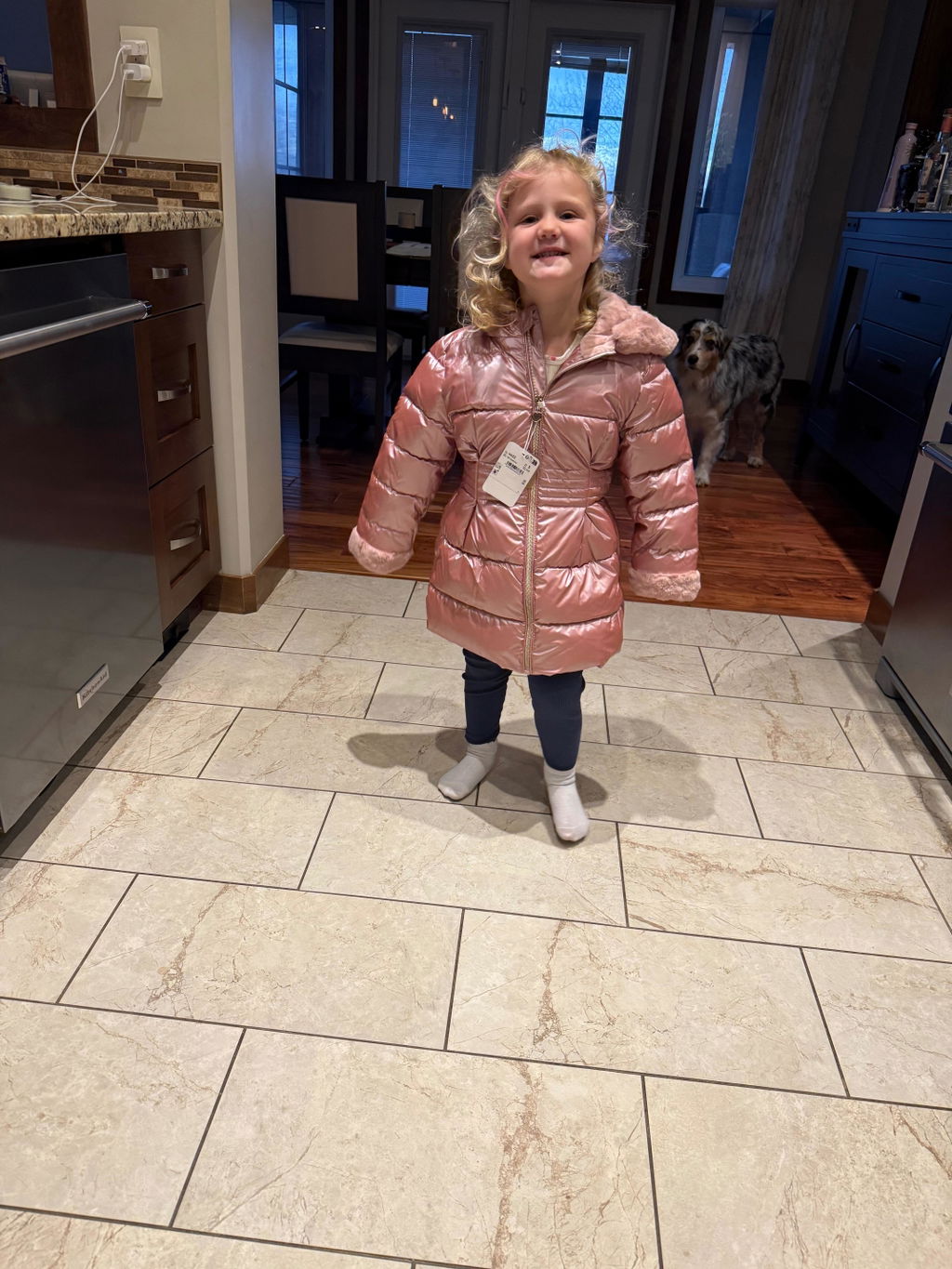
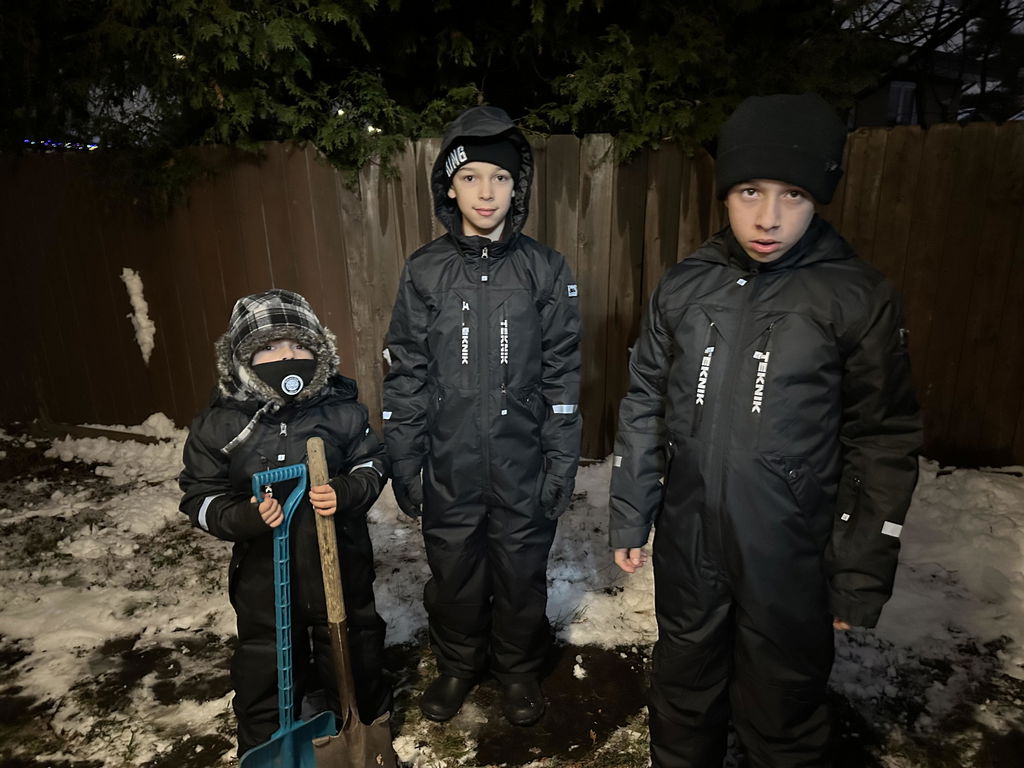
Quick answer: Fast fashion means kids' clothes are made quickly, cheaply and in high volume, so many pieces are worn a few times and then thrown away. The most visible impact is waste. The EPA says only 13% of U.S. clothing and footwear was recycled in 2018. Sturdier everyday pieces that get handed down reduce that waste.
Fast fashion has changed kids' clothes more than most parents realize. Children's clothing is now cheaper, trendier and replaced faster than ever, and because kids outgrow everything anyway, it is easy to treat each piece as disposable. That habit has a real cost, both for your budget and for the amount of clothing that ends up in the garbage.
This guide looks at what the research actually says, without the guilt trip. You'll see what fast fashion means for children's clothing, what the numbers from the EPA, Statistics Canada, Environment and Climate Change Canada and the UN show, how to read green-sounding labels, and how to spot a garment that will last long enough to be handed down.
What Does Fast Fashion Mean for Kids' Clothes?
Fast fashion is a business model built on high volume, low prices and constant new styles. Instead of a few collections a year, stores release new items continuously, and pricing encourages buying more pieces more often.
The scale is large. The Ellen MacArthur Foundation says clothing production has approximately doubled over the last 15 years, while clothing use has declined by almost 40%. In other words, the world is making far more clothes and wearing each one fewer times. The foundation's 2017 report, A New Textiles Economy, links that rise in production partly to the "fast fashion" phenomenon.
In kidswear, the model looks like this:
- Trend-driven prints and themes that feel dated by next season, even if the garment is still wearable.
- Multipacks and low price points that make it easy to buy more than a child can actually wear.
- Thin fabrics and light construction that can pill, stretch out or tear at the knees within weeks of daily play.
- One-occasion outfits, such as holiday or party looks, that are worn once or twice before they no longer fit.
None of that makes every inexpensive item bad. The problem is the pattern: buying quickly, wearing briefly and replacing often.
Why Do Kids' Clothes Create So Much Textile Waste?
Kids' clothes have a shorter first life than adult clothes for three main reasons, and only one of them is about growth.
- Kids grow. Young children can move up a size several times in a few years, so even a well-made piece may only fit one child for one season. That is normal, and it is exactly why durability matters: a garment that survives its first owner can serve a sibling, cousin or neighbor next.
- Kids are hard on clothes. Crawling, sliding, school-yard play and messy meals stress the knees, seat, cuffs and hems. Thin fabric that fails at those stress points ends a garment's life early, often long before the child outgrows it.
- Clothes get bought for the wrong reasons. Impulse sales, a size that was "close enough," a character print a child loved for a month, or an outfit bought for one photo. These purchases get the fewest wears and the fastest trip out of the closet.
Put those together and kids' clothes can cycle through a closet quickly. When the clothing itself is built for a short life, more of it is ready for the garbage by the time a younger child could have used it.
What Is the Real Impact of Fast Fashion?
The impact shows up in three places: how much clothing is thrown away, how little is recycled, and what it takes to make new clothing in the first place. Here is what official and research sources state, by region.
How much clothing is thrown away in the U.S.?
According to the U.S. Environmental Protection Agency (EPA), Americans generated 17 million tons of textile waste in 2018, about 5.8% of all municipal solid waste. Only 14.7% of textiles were recycled that year (2.5 million tons), and the recycling rate for clothing and footwear specifically was 13%. Landfills received 11.3 million tons of textiles, and another 3.2 million tons were combusted with energy recovery.
Put simply, far more textiles went to U.S. landfills in 2018 than were recycled.
How much clothing is thrown away in Canada?
Environment and Climate Change Canada cites research by Cheminfo Inc. estimating that Canada consumed 1.3 million tonnes of apparel in 2021 and that almost 1.1 million tonnes were disposed of. The same consultation document says most of that waste is landfilled, incinerated, turned into rags, or baled and exported.
Statistics Canada found that 63% of Canadian households had textiles to get rid of in 2019, up from 47% in 2017. Among those households, 21% put textiles in the garbage in 2019, up from 13% in 2017.
Why do synthetic fibres matter?
Much of today's clothing is made from plastic-based fibres. Environment and Climate Change Canada notes that polyester alone represents around 54% of total global fibre production. Citing Statistics Canada data, it says around 290 kilotons of synthetic textiles were purchased in Canada in 2020 and around 280 kilotons were disposed of as waste that year. The document also cites an Ocean Wise estimate that households in Canada and the U.S. release about 878 tonnes of microfibres a year into bodies of water through laundry.
That is why the Government of Canada's consultation document on plastic waste and pollution from the textile and apparel sector treats clothing as part of the wider plastics problem, not just a landfill issue.
What is the global footprint?
The Ellen MacArthur Foundation says that every second, one truckload of clothing is landfilled or burned, and that customers miss out on USD 460 billion of value each year by throwing away clothes they could continue to wear. In a 2019 article, UN News quoted Elisa Tonda of the UN Environment Programme (UNEP): the global production of clothing and footwear generates 8% of the world's greenhouse gas emissions. The same article cites UNCTAD figures that the fashion industry uses 93 billion cubic metres of water a year.
What does this mean for a family?
No single family's closet changes these numbers on its own, but the practical lesson is clear: the clothes with the biggest footprint per wear are the ones bought and then barely worn. Every extra wear, from your child or the next one, spreads a garment's impact over more use.
Is Cheap Kids' Clothing Always Fast Fashion?
No. Price alone doesn't tell you how a garment was made, how long it will last, or how much it will be worn. Some inexpensive basics hold up for years, and some expensive pieces are trend items that get worn twice.
A more useful test is to ask three questions about any piece, at any price:
- Will my child wear this every week? Everyday categories like pants, leggings, tops and outerwear earn their place through repetition.
- Will it survive until it's outgrown? Check fabric, reinforcement and care instructions (more on this below).
- Could someone else wear it next? Neutral or classic colors, sturdy construction and adjustable features make a garment easier to hand down.
Cost per wear helps here: divide the price by the number of times the garment is realistically worn. At the same price, a pair worn 60 times costs half as much per wear as one worn 30 times, which is why durability and hand-me-downs matter. For the full method, see our guide on how to save money on kids' clothes without compromising quality.

How Can You Tell if a Kids' Garment Will Last?
You can tell a lot from the product details. Here's what to check before you buy: reinforcement at the stress points, fabric content, the care label, adjustable features, closures and removable parts, and the size. The examples below come from real product pages at Jenni Kidz.
1. Reinforcement at the knees, seat and hems
Knees and seats wear out first on active kids. Reinforced panels add life exactly where play does the most damage. For example, the product page for the Deux par Deux Boys Two Piece Play Snowsuit Greyish Blue And Navy lists 500-denier Cordura® at the knees, seat and hems of the snow pants. The Deux par Deux Girls Two Piece Play Snowsuit Mint Green lists the same Cordura® areas and says the fabric is tested to 30,000 abrasion cycles. For everyday wear, the Deux par Deux Boys French Terry Denim Pants Navy Blue have stitched carpenter-style panels covering the knees.
2. Fabric content you can actually read
Fabric content tells you how a garment will stretch, wash and wear, but not whether it is "better" overall. Read it to set expectations. The French Terry Denim Pants list 70% cotton, 28% polyester and 2% elastane, and the product page says the knit gives a little when a child crouches. The Deux par Deux Girls Rib Leggings Violet list 55% rayon, 40% polyester and 5% elastane.
3. A care label you will really follow
A garment only lasts as long as the care it gets. Before you buy, check whether the care label fits your laundry routine. The Rib Leggings call for a cold, delicate cycle with no tumble drying or ironing. The French Terry Denim Pants can be machine washed cold and tumble dried low. If you never line-dry, a do-not-tumble-dry piece may wear out faster than it should.
4. Adjustable or grow-with-me features
Adjustable features let one size fit for longer, which means more wears before the item is outgrown. On the Deux par Deux PLAY snowsuits, the product pages list sleeves that extend 4 cm (1.5") and a two-level button hem that adds up to 7.6 cm (3"). Elastic or drawcord waists, like the one on the French Terry Denim Pants, also give a little more range than a fixed waistband.
5. Sturdy closures and removable parts
Broken zippers and lost pieces end a garment's life early. Look for named hardware and removable parts. The PLAY snowsuit pages list a YKK® main zipper, a detachable hood and removable suspenders on the pants.
6. A size that fits now
Clothes that don't fit right rarely get worn, which makes wrong-size orders a quiet source of waste. Measure, don't guess: compare your child's height, chest and waist against the brand's chart, because sizing varies by brand. Deux par Deux product pages at Jenni Kidz include the Deux par Deux size chart (tap "View full size chart"), so check the size chart before ordering. Also read the fit notes. The PLAY snowsuit pages say the line fits generously and that sizing up is not recommended. Our guide to saving on kids' clothes covers sizing up in more detail.
| What to check | Why it matters | Example from a product page |
|---|---|---|
| Reinforced knees, seat, hems | These areas wear out first | PLAY snow pants: 500-denier Cordura® at knees, seat and hems |
| Fabric content | Sets expectations for stretch and washing | French Terry Denim Pants: 70% cotton, 28% polyester, 2% elastane |
| Care label | Wrong care shortens garment life | Rib Leggings: wash cold on delicate, do not tumble dry |
| Grow-with-me features | More wears before it's outgrown | PLAY snowsuits: sleeves extend 4 cm (1.5"), hem adds up to 7.6 cm (3") |
| Closures and removable parts | Broken hardware ends a garment early | PLAY snowsuits: YKK® main zipper, detachable hood |
| Size and fit notes | Wrong sizes go unworn | PLAY snowsuits: fit generously, sizing up not recommended |
Where you spend more matters too. Pieces worn the most, like outerwear and everyday pants, take the most abuse, and a sturdy winter suit can often be passed along to a younger child. If you're weighing premium pieces for a baby, read whether luxury baby clothes are worth the splurge.
What Do "Eco-Friendly" and "Recycled" Labels Actually Mean?
Green-sounding labels are everywhere in kidswear, and they vary a lot in how much they actually tell you. Specific, verifiable details are more useful than broad words.
Broad claims like "eco-friendly" or "green"
In the U.S., the FTC's summary of the Green Guides says marketers should not make broad, unqualified general environmental benefit claims like "green" or "eco-friendly," and that qualifications should be clear, prominent and specific. In Canada, the Competition Bureau says claims must be truthful and not misleading, and it looks at the general impression a claim creates as well as its literal meaning. If a label says "eco" but doesn't say what is better or by how much, treat it as marketing, not information.
Recycled content
A recycled-content claim is more specific, and the FTC summary says claims for products made partly from recycled material should be qualified. A clear example is a fibre breakdown. The Deux par Deux PLAY snowsuit pages list a shell of 52% polyester and 48% recycled polyester. That tells you exactly what share of the shell fabric is recycled, and nothing more. It isn't a statement about the whole garment's footprint.
Certification labels
Certification labels only apply to the exact product that carries them. For how fibre and organic labels work, read our organic baby clothes buying guide.
Why Does Making Clothes Last Longer Reduce the Impact?
Every extra wear delays the purchase of a replacement and keeps a garment out of the waste stream longer. Environment and Climate Change Canada's consultation document says increasing durability plays a key role in moving the clothing sector toward a circular economy, and it also notes that clothing repair by consumers has declined. At home, that translates into a few habits:
- Follow the care label, especially water temperature and drying instructions.
- Close zippers and hook-and-loop tabs before washing so they don't snag other clothes. The PLAY snowsuit pages ask for this too.
- Fix small problems early. A loose button or a short seam split takes minutes to fix and can save the whole garment.
Our washing tips to make baby clothes last longer cover laundry routines step by step, and our guide to mixing and matching kids' clothes shows how to get more outfits from fewer pieces.

What Should You Do With Outgrown Kids' Clothes?
Keep clothes in use as long as possible, and treat the garbage as the last option. Statistics Canada's 2019 data show most households that disposed of textiles donated or gave them away (80%), while 21% took them to a depot or drop-off centre and 4% sold them.
Work through these options in order:
- Hand down to a younger sibling, cousin or friend. Sturdy, adjustable pieces in classic colors are the easiest to pass along.
- Resell better-condition items through local buy-and-sell groups or consignment shops.
- Donate clean, wearable items to local charities or family shelters.
- Use a textile drop-off for items too worn to wear, if your municipality or a local depot accepts textiles.
- Repurpose the most worn pieces as rags at home.
Before you pass anything along, check it for broken zippers, loose buttons and missing parts, and wash it so it is ready to wear.
Where Can You Find Everyday Kids' Clothes Built for Repeat Wear?
Start with the category your child wears most, then compare product details using the checks above. At Jenni Kidz, you can shop:
- Deux par Deux kids' clothing, including the PLAY snowsuits, pants and leggings mentioned in this guide
- kids' snowsuits for winter outerwear
- boys' pants and girls' leggings for everyday wear
- girls' clothing (3–18 years) and boys' clothing (3–18 years)
- baby girl clothes (0–36 months) and baby boy clothes (0–36 months)
The Deux par Deux Boys Two Piece Play Snowsuit lists the same Cordura® knees, extendable sleeves and adjustable hems as the girls' mint set, in a greyish blue and navy colorway the product page describes as a calm two-tone look. For a broader planning approach, see building a kids' wardrobe with fewer, better pieces.
Frequently Asked Questions
What is fast fashion in kids' clothing?
Fast fashion in kids' clothing means children's clothes produced quickly, cheaply and in large volumes, with frequent new trends. Many pieces are worn only a few times before they wear out, go out of style or no longer fit, and then they are thrown away.
Why do kids' clothes create so much textile waste?
Children outgrow clothes quickly, play hard on knees and seams, and often get impulse or one-occasion outfits. Clothes built for a short life are discarded instead of handed down. Statistics Canada found that 21% of Canadian households with textiles to dispose of put them in the garbage in 2019.
How much clothing ends up in landfills?
The EPA says U.S. landfills received 11.3 million tons of textiles in 2018. In Canada, Environment and Climate Change Canada cites an estimate that almost 1.1 million tonnes of apparel were disposed of out of 1.3 million tonnes consumed in 2021.
What percentage of clothing is recycled?
In the U.S., the EPA estimates the recycling rate for clothing and footwear was 13% in 2018, and 14.7% for all textiles. In Canada, Environment and Climate Change Canada says most textile waste is landfilled, incinerated, turned into rags, or baled and exported.
How does fast fashion affect the environment?
The Ellen MacArthur Foundation says one truckload of clothing is landfilled or burned every second. UNEP's Elisa Tonda, quoted by UN News, said clothing and footwear production generates 8% of global greenhouse gas emissions, and UNCTAD figures put the fashion industry's water use at 93 billion cubic metres a year.
How can I tell if kids' clothes are good quality?
Check for reinforced knees, seat and hems, readable fabric content, sturdy zippers and snaps, adjustable features such as extendable sleeves or hems, and a care label you can follow. Product pages that list these details make it easier to compare before you buy.
Does "eco-friendly" on a kids' clothing label mean anything?
Not much on its own. The FTC says marketers should not make broad, unqualified claims like "green" or "eco-friendly," and Canada's Competition Bureau says claims must not be misleading. Look for specific details, such as a fibre breakdown on that exact product.
What should I do with clothes my child has outgrown?
Hand them down first, then resell or donate items in good condition. Use a textile drop-off for pieces too worn to wear, if one is available in your area. Statistics Canada found 80% of Canadian households that disposed of textiles in 2019 donated or gave them away.
Bottom Line
Fast fashion makes kids' clothes cheap to buy and easy to replace, and figures from the EPA, Environment and Climate Change Canada and the UN show how much of that clothing ends up as waste. You don't need to overhaul your whole closet to do better. Choose sturdy everyday pieces for the clothes your child wears most, buy the size that fits now, ignore vague green labels, and keep outgrown clothes moving to the next child.
Sources
- U.S. Environmental Protection Agency: Textiles: Material-Specific Data (2018 data)
- Environment and Climate Change Canada: Addressing plastic waste and pollution from the textile and apparel sector: consultation document
- Statistics Canada: Unravelling the story about household textile and e-waste disposal in Canada
- Ellen MacArthur Foundation: Fashion and the circular economy and A New Textiles Economy: Redesigning Fashion's Future (2017)
- UN News: UN launches drive to highlight environmental cost of staying fashionable (March 25, 2019)
- U.S. Federal Trade Commission: Environmental Claims: Summary of the Green Guides
- Competition Bureau Canada: Environmental claims and greenwashing